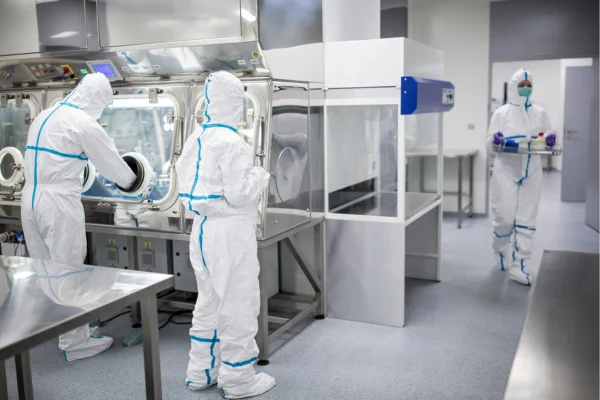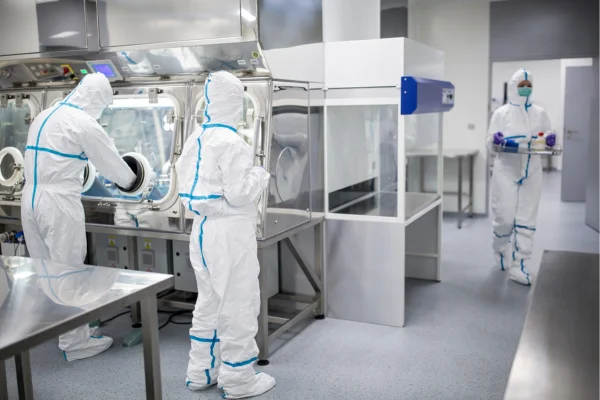
In biologics drug substance manufacturing, upstream processing plays a fundamental role in determining product quality, yield, and process consistency. Unlike traditional chemical synthesis, biologics production relies on living systems such as microbial cells or other expression platforms to produce complex biological molecules. Therefore, controlling the early-stages of production is essential to ensure that the final drug substance meets quality and regulatory expectations.
Upstream processing generally includes cell line or strain development, cell banking, inoculum preparation, fermentation or cell culture, and process optimization. Each step directly influences the characteristics of the biological product, making process control and development strategies critical parts of modern biologics manufacturing.
For companies developing recombinant proteins, peptides, enzymes, vaccines, or other biological products, selecting an experienced manufacturing partner with strong upstream capabilities can help reduce production risks and support a smoother transition from research to clinical and commercial stages.
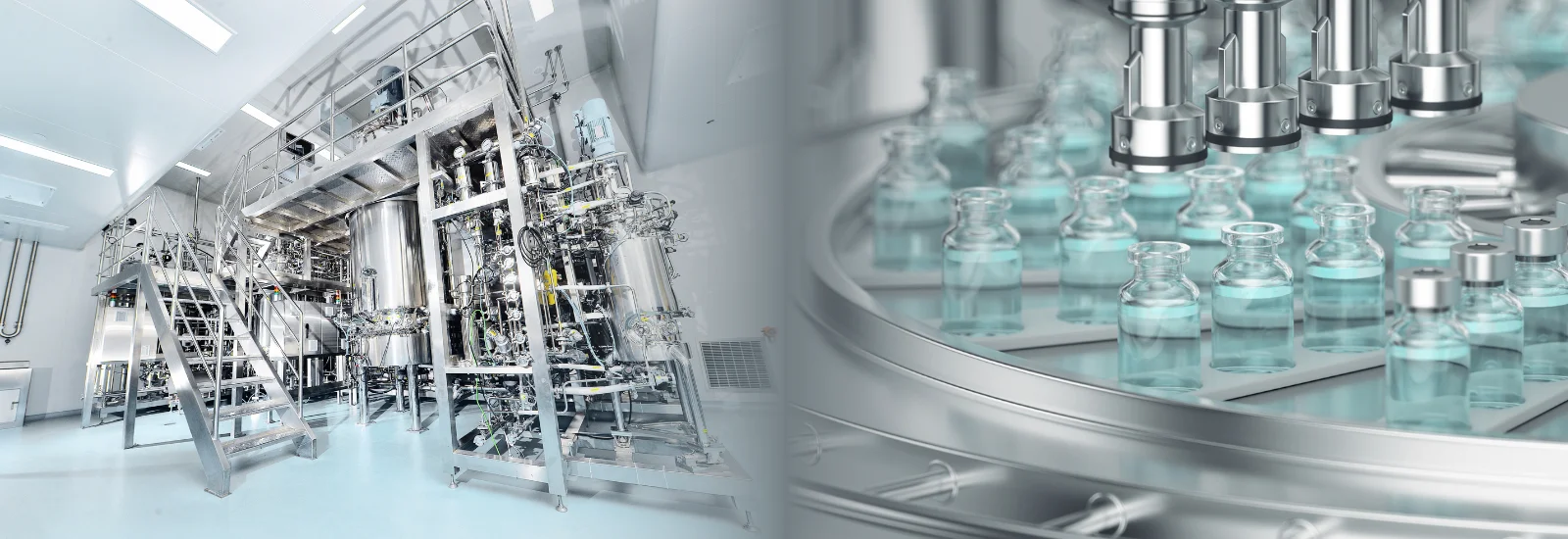
Key Steps in Upstream Processing for Biologics Drug Substance Manufacturing
The upstream stage begins with selecting and developing a suitable biological expression system. Depending on the product requirements, manufacturers may use microbial expression systems such as Escherichia coli or yeast platforms. The choice of host system affects production efficiency, product structure, and downstream purification requirements.
After selecting the expression system, manufacturers establish a qualified cell bank or strain bank. A well-controlled banking system provides a stable starting point for future production and supports batch-to-batch consistency. Proper characterization and documentation at this stage also contribute to regulatory compliance.
The next step involves fermentation or cell culture. During this phase, manufacturers carefully control parameters such as temperature, pH, dissolved oxygen, nutrient supply, and agitation speed. Even small variations in these conditions may influence cell growth, protein expression levels, and product quality attributes.
Process optimization is another important part of upstream development. Through systematic studies and scale-up evaluations, manufacturers identify suitable operating conditions that can maintain performance when moving from laboratory studies to pilot and commercial production.
How Upstream Processing Affects Product Quality and Manufacturing Efficiency
A well-designed upstream process provides a strong foundation for consistent biologics drug substance manufacturing. Since biological products are produced by living organisms, variations in the production environment can affect critical quality attributes, including purity, activity, and stability.
Quality by Design principles are increasingly applied during upstream process development. This approach focuses on understanding the relationship between process parameters and product quality, allowing manufacturers to establish more predictable and controlled production methods.
Scale-up is also a major consideration. A process that performs well at laboratory-scale may face challenges when transferred to larger production equipment. Factors such as oxygen transfer, mixing efficiency, and nutrient distribution can change significantly as production volume increases. Therefore, manufacturers need robust scale-up strategies to maintain-process performance across different manufacturing stages.
Yaohai Bio-Pharma applies Quality by Design concepts throughout process development and supports upstream process development, optimization, scale-up, characterization, and validation for microbial expression systems. Its platform supports scale-up from small development systems to larger fermentation capacities, helping projects progress through different development phases.
Challenges in Upstream Processing and How They Are Addressed
Upstream processing involves several technical challenges that require specialized expertise. One common challenge is maintaining consistent biological performance over multiple production batches. Changes in cell growth conditions, raw material quality, or equipment performance may affect production outcomes.
Another challenge is achieving the right balance between productivity and product quality. Increasing expression levels does not always result in better manufacturing performance, as higher production levels may increase impurities or affect product characteristics. Process development teams must evaluate multiple factors to establish an efficient and reliable process.
Regulatory expectations also influence upstream manufacturing decisions. Documentation, process validation, data integrity, and quality management systems are important requirements throughout the manufacturing lifecycle. A structured approach helps ensure that processes are suitable for clinical supply and commercial production.
The Role of Upstream Capabilities in Selecting a Manufacturing Partner
When evaluating biologics drug substance manufacturing services, upstream capabilities are an important factor to consider. A suitable partner should have experience in-process development, scale-up, technology transfer, and GMP manufacturing.
Manufacturing flexibility is also valuable because biologics projects may require different production scales depending on development progress. From early clinical materials to commercial supply, the ability to support various manufacturing needs helps improve project continuity.
Facility design and quality systems are equally important. Independent production areas, qualified equipment, experienced technical teams, and comprehensive quality management processes help maintain reliable operations throughout the manufacturing process.
Yaohai Bio-Pharma provides GMP-compliant drug substance manufacturing services with multiple production scales ranging from 50 L to 2000 L and supports projects from preclinical development through clinical and commercial manufacturing stages. Its GMP manufacturing platform includes upstream production capabilities, downstream purification systems, and quality management support designed for different biologics development requirements.
Conclusion
Upstream processing is a critical component of biologics drug substance manufacturing because it determines the foundation of product quality, production consistency, and manufacturing scalability. From expression system selection and cell banking to fermentation optimization and scale-up, every upstream decision can influence the success of a biologics program.
As biologics development continues to advance, manufacturers need reliable process knowledge, flexible production capabilities, and strong quality systems to support complex product requirements. With experience in microbial expression systems and GMP manufacturing services, Yaohai Bio-Pharma provides integrated solutions to help advance biologics projects from development stages to commercial production.