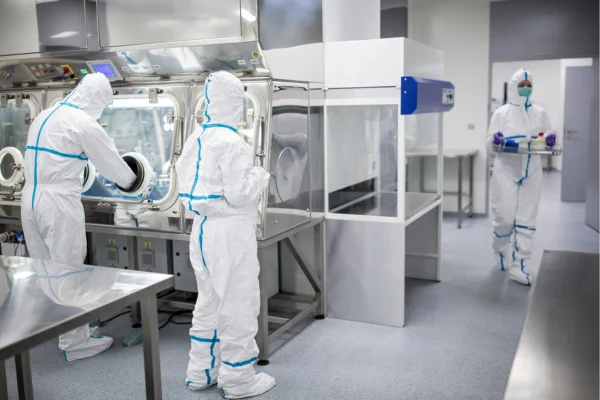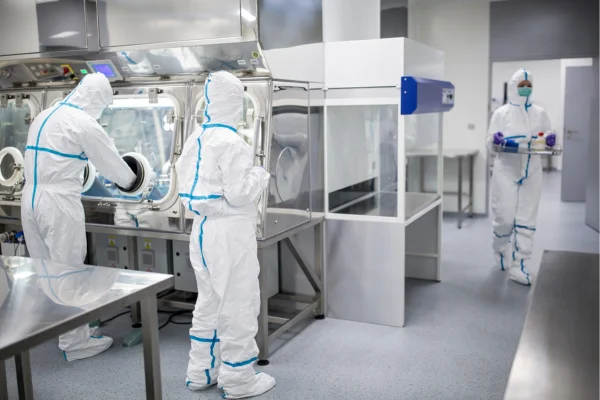
In biotechnology development, quality is not something that begins after manufacturing. It must be established from the earliest research stages and continuously strengthened throughout process development, clinical advancement, and GMP manufacturing. As biological products become more complex, companies need a comprehensive quality framework to ensure product consistency, regulatory compliance, and reliable production.
Quality assurance in biotechnology focuses on preventing quality risks through systematic processes, documentation control, risk management, validation, and continuous improvement. A well-established quality system provides the foundation for transforming innovative biological discoveries into products that meet strict regulatory expectations.

Establishing Quality Systems During Early-Stage Biotechnology Research
Early stage biotechnology projects often focus on discovery, expression system development, and initial process evaluation. Although these stages may not involve commercial manufacturing requirements yet, quality considerations should already be integrated into project planning.
A strong early quality system begins with clear documentation and standardized procedures. Researchers need reliable records for experimental conditions, material sources, testing methods, and process decisions. These records support future development activities and help maintain traceability when projects move toward clinical and commercial stages.
Quality assurance in biotechnology also requires careful management of critical materials. Biological materials such as cell banks, microbial strains, plasmids, and reference standards require appropriate characterization, storage conditions, and testing strategies. Establishing these controls early can reduce potential risks during later development.
Transitioning from Research Processes to GMP Requirements
One of the major challenges in biotechnology development is moving from laboratory-scale research to GMP manufacturing. Research processes often prioritize exploration and optimization, while GMP manufacturing requires strict control, reproducibility, and regulatory compliance.
During this transition, companies need to establish quality systems that connect development activities with manufacturing requirements. This includes defining critical quality attributes, identifying critical process parameters, developing analytical methods, and creating appropriate validation strategies.
A successful transition requires collaboration between research, process development, quality, and manufacturing teams. By incorporating quality considerations throughout development, companies can create processes that are easier to scale and more suitable for regulatory review.
Building a Comprehensive Documentation and Compliance Framework
Documentation is a core element of quality assurance in biotechnology. Regulatory agencies require clear evidence that processes are controlled, testing is reliable, and manufacturing activities follow approved procedures.
A complete quality documentation system typically includes quality policies, standard operating procedures, specifications, testing methods, manufacturing records, validation documents, and deviation management procedures. These documents help ensure that operations are consistent and traceable.
For biotechnology products, documentation is especially important because biological processes can be sensitive to changes in materials, equipment, and operating conditions. A structured document system allows companies to identify differences, evaluate potential impacts, and maintain product quality throughout development.
Yaohai Bio-Pharma has established a GMP-based quality management system covering areas such as quality management, document control, validation, material management, production management, and laboratory management to support the full product lifecycle from development to commercial production.
Implementing Quality Risk Management in Biotech Manufacturing
Biotechnology manufacturing involves multiple variables that can influence product quality, including biological source materials, fermentation conditions, purification processes, and analytical testing methods. Quality risk management helps identify these factors and establish appropriate controls.
Risk assessment should begin during process development and continue through GMP manufacturing. Teams evaluate potential risks related to contamination, process variability, equipment performance, and material quality. Based on these evaluations, preventive controls and monitoring strategies can be implemented.
Change control is another important part of risk management. Any modification involving raw materials, manufacturing processes, analytical methods, or equipment should be assessed before implementation. This ensures that improvements can be introduced without compromising product quality.
Ensuring Reliable Analytical Testing and Quality Evaluation
Accurate analytical testing is essential for demonstrating the quality, safety, and consistency of biotechnology products. Analytical methods must be properly developed, verified, transferred, and validated before being used for quality evaluation.
Quality assurance teams work closely with analytical laboratories to establish suitable testing strategies for identity, purity, potency, impurities, and stability. These assessments provide essential data for development decisions, regulatory submissions, and product release.
For biological products such as recombinant proteins, plasmids, vaccines, and other advanced therapies, analytical requirements can vary depending on product characteristics. A flexible but controlled quality approach helps address these differences while maintaining compliance.
Yaohai Bio-Pharma provides quality research and analysis services covering analytical method development and validation, stability studies, reference standard establishment, and quality analysis for biological products throughout development and GMP manufacturing stages.
Preparing Quality Systems for Regulatory Inspection and Commercial Production
As biotechnology products approach clinical or commercial manufacturing, quality systems must be prepared to meet global regulatory expectations. This includes ensuring that facilities, equipment, personnel, processes, and documentation comply with applicable GMP standards.
Inspection readiness requires continuous monitoring rather than short term preparation. Regular internal reviews, employee training, process assessments, and corrective action management help maintain a strong compliance culture.
A mature quality system also supports faster decision making during development. When processes are well documented and quality data is consistently collected, companies can respond more effectively to regulatory questions and manufacturing challenges.
Supporting Long Term Product Quality Through Continuous Improvement
Quality assurance in biotechnology is an ongoing process. Even after GMP manufacturing begins, companies must continue evaluating performance, investigating deviations, and improving processes.
Continuous improvement activities may include optimizing manufacturing parameters, enhancing analytical methods, updating procedures, and strengthening risk controls. These efforts help maintain product consistency while improving operational efficiency.
By integrating quality into every stage of biotechnology development, organizations can create a smoother pathway from early research to successful manufacturing.
Conclusion
Building a reliable quality system from early-stage biotechnology research to GMP manufacturing requires careful planning, strong documentation, effective risk management, and continuous improvement. Quality assurance in biotechnology provides the structure needed to support regulatory compliance and maintain consistent product quality throughout the development lifecycle.
With extensive experience in microbial expression systems, CMC development, GMP manufacturing, and quality management services, Yaohai Bio-Pharma supports biotechnology projects with integrated quality solutions covering development through commercial production. By establishing comprehensive quality systems early, companies can improve development efficiency and create a stronger foundation for bringing innovative biological products to market.