Maintaining quality across the pharmaceutical supply chain is a practical challenge, especially when development, manufacturing, and documentation must stay aligned over time. Decisions made during process development can affect batch consistency later. Changes to equipment, facilities, or computerized systems can introduce risks if they are not managed through the quality system. When teams move from clinical supply to commercial production, they also face stricter expectations for documentation control, GMP oversight, and inspection readiness.
Pharmaceutical quality management provides the structure to address these needs. It connects quality system governance with day to day compliance controls, from document review and training to deviation handling, CAPA management, and ongoing verification. With the right approach, organizations can keep operations audit ready, protect data integrity, and support consistent product quality throughout the lifecycle.
This article covers how pharmaceutical quality management should be applied across a supply chain model, and how Yaohai Bio-Pharma supports GMP quality assurance and quality system operations for biologics and pharmaceutical programs.

Why Quality Management Becomes Harder Across the Supply Chain
Quality failures in the supply chain are rarely caused by a single event. They often result from misalignment between multiple functions and sites. The reasons typically include incomplete documentation, unclear responsibilities, insufficient change control, and weak traceability of data and records. Another common concern is the gap between what is performed in manufacturing and what is described in controlled documents.
In GMP operations, quality management must cover more than final testing. It should ensure that the manufacturing process, quality control activities, laboratory controls, and qualification and validation efforts work together as one system. For many biologics workflows, where process parameters and analytical methods require consistent control, quality management is a foundation for stability, repeatability, and confident batch review.
A mature quality management approach also supports continuity during technology transfer. When processes move from one environment to another, teams must verify that critical quality attributes remain controlled and that the quality documentation and execution expectations are consistent.
Quality System Governance for Compliant Supply Chain Operations
A pharmaceutical quality management program relies on integrated quality oversight. This includes organization and personnel responsibilities, facilities and utilities, equipment management, materials and products, qualification and validation, documentation management, manufacturing management, and laboratory management. Each element plays a role in reducing preventable compliance gaps and ensuring that quality evidence is complete.
Integrated quality management supports compliant development and manufacturing across clinical and commercial phases. It also helps coordinate quality oversight through technology transfer, ensuring that the receiving operation can execute the process under the intended controls.
Regulatory compliance is another essential layer. Quality systems must support GMP expectations and be structured for inspection readiness across global markets. When a quality system is designed with regulatory requirements in mind, internal reviews and evidence collection become more consistent, reducing the time pressure that often appears near submission or inspection timelines.
Documentation Control and Data Integrity Across GMP Records
For many organizations, the supply chain documentation burden is a major concern. Controlled documentation needs to remain current, versioned, traceable, and accessible for batch review and investigations. Document control also needs to cover procedures, specifications, standard testing procedures, and quality policies, as well as the records generated during manufacturing and testing.
Pharmaceutical quality management includes documentation control through a centralized system that manages quality policies, SOPs, and controlled records. This structure supports operational consistency and helps ensure that batch history is complete and reviewable. It also strengthens the ability to respond to internal queries, customer requests, and regulatory interactions.
Data integrity assurance is equally important. Data integrity affects the credibility of batch records, laboratory results, and trending information. Many teams treat data integrity as a compliance risk rather than a continuous control opportunity. In practice, pharmaceutical quality management should ensure that records are secure, traceable, and generated and reviewed according to reliable principles such as ALCOA+. When documentation and data trail remain trustworthy, batch release decisions become easier and investigations become more effective.
Change Control, CAPA, and Continuous Improvement
Supply chains are dynamic. Equipment is upgraded, analytical methods are refined, facilities undergo maintenance, and computerized systems evolve. Without a structured quality system, these changes can create uncertainty in batch quality and documentation compliance.
Quality system optimization should include SOP improvement, training systems, CAPA management, and change control. CAPA is especially relevant across the supply chain because issues can originate from different links, including upstream raw materials, microbial strain handling, fermentation conditions, purification steps, or laboratory testing practices. A consistent CAPA workflow helps teams identify root causes, assess risk, implement corrective actions, and verify effectiveness.
Change control should also ensure that any process change is evaluated for impact on critical quality attributes, analytical methods, and documentation. Even if the change appears minor, it can affect comparability or consistency if it is not fully evaluated and communicated.
Quality Oversight from On Site Guidance to System Compliance
Users often ask what quality assurance oversight should look like when operations include both development and manufacturing environments. Quality assurance should provide governance and verification, but it must also be practical for teams executing daily work.
Yaohai Bio-Pharma emphasizes GMP quality assurance services that support quality system management and compliance oversight across clinical and commercial manufacturing. The platform approach includes data integrity assurance, documentation control, and compliance support, with guidance that extends to laboratory compliance and equipment qualification activities.
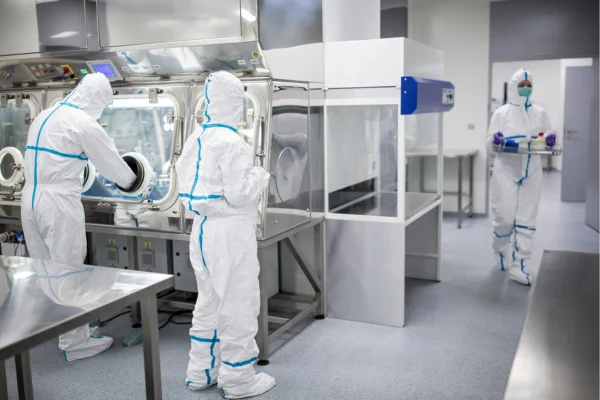
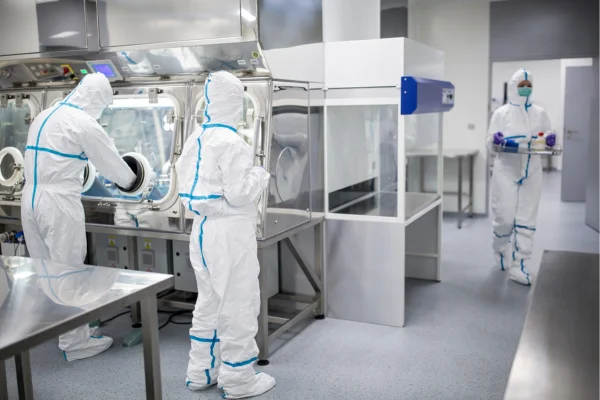
On site QA guidance can help reduce risk in areas that commonly require close oversight. These areas include computerized systems validation, microbiological quality assurance, and laboratory compliance activities. When QA expertise is available during execution, documentation expectations and operational practices stay aligned. This reduces the chance of discovering documentation gaps after activities are completed.
Managing Quality During Clinical to Commercial Scaling
Another common question is how quality management supports transitions between phases. During clinical development, teams may focus heavily on feasibility, method establishment, and early process control. In commercial manufacturing, regulators expect stronger evidence of repeatability, stability of controls, and consistent compliance.
A well managed pharmaceutical quality management program maintains continuity across the lifecycle. It supports compliant development, technology transfer, and inspection readiness. It also supports quality governance processes such as training, change control, and ongoing documentation review, which helps keep batch release evidence aligned with the evolving quality system.
For biologics, where process sensitivity can increase the impact of deviations, a structured quality system supports process robustness by enforcing documentation and control consistency. This supports batch-to-batch confidence and helps ensure that operations remain audit ready for global regulatory submissions.
Conclusion
Managing quality across the pharmaceutical supply chain requires more than checking results at the end of production. Pharmaceutical quality management provides the governance and controls that connect documentation control, data integrity, quality system optimization, compliance oversight, and inspection readiness into one operating model.
Yaohai Bio-Pharma delivers GMP Quality Assurance and management system support designed for biotech and pharma teams, covering integrated quality management, documentation control, data integrity assurance, and on site QA guidance. By strengthening quality system operations across the product lifecycle, Yaohai Bio-Pharma helps programs maintain consistent quality evidence from development through clinical and commercial manufacturing.