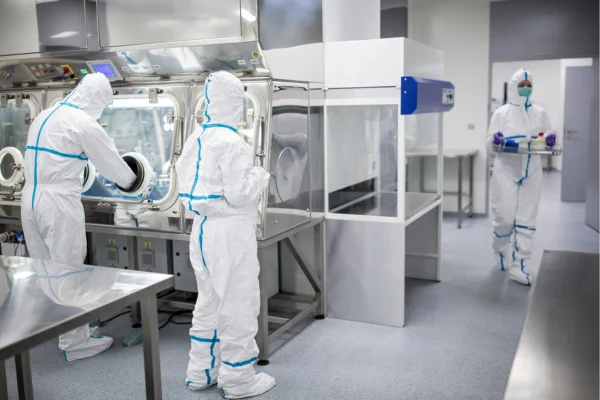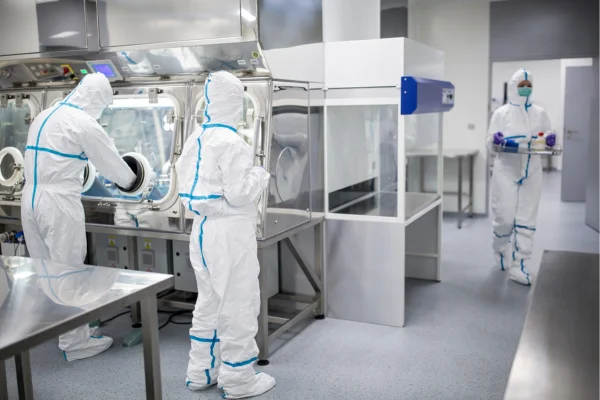
A pharmaceutical quality system plays an essential role in ensuring product consistency, regulatory compliance, and reliable manufacturing operations throughout the drug development lifecycle. As pharmaceutical projects become more complex, companies need to carefully evaluate whether a quality system can support development, clinical supply production, and commercial manufacturing requirements.
A strong quality system is not only about meeting current regulatory expectations. It should also provide effective risk management, documentation control, data integrity protection, and continuous improvement mechanisms.
Before selecting or improving a pharmaceutical quality system, asking the right questions can help identify potential gaps and determine whether the system is capable of supporting long-term product success.

1. Does the Quality System Cover the Entire Product Lifecycle?
The first question to consider is whether the pharmaceutical quality system supports all stages of a product’s lifecycle.
Quality requirements begin during early development and continue through process optimization, clinical production, regulatory submission, and commercial manufacturing. A disconnected quality approach may create challenges when transferring processes between different stages.
A complete system should integrate quality management into development activities, manufacturing operations, laboratory testing, and regulatory preparation. It should also provide consistent control when processes are scaled up or modified.
A lifecycle based quality approach helps maintain product knowledge and ensures that critical quality attributes are monitored from early research to final production.
2. How Strong Is the Documentation Management Process?
Documentation is the foundation of an effective pharmaceutical quality system.
A reliable system should clearly define how documents are created, reviewed, approved, updated, and archived. Standard operating procedures, specifications, production records, and quality documents must remain accurate and traceable.
When documentation processes are weak, organizations may face difficulties during regulatory inspections or internal reviews. Outdated procedures or incomplete records can affect process consistency and increase compliance risks.
An effective document assurance system should connect policies, standard operating procedures, process documents, testing procedures, and operational records. Yaohai Bio-Pharma has developed a GMP-based document assurance system covering its quality activities and supporting standardized, traceable operations.
3. Does the System Include Effective Risk Management?
Risk management is another important factor when evaluating a pharmaceutical quality system.
A mature quality system should not only respond to problems after they occur. It should identify potential risks before they affect product quality.
Key areas for risk evaluation may include raw materials, manufacturing processes, equipment performance, analytical methods, supplier management, and regulatory requirements.
Companies should ask whether their quality system includes structured risk assessment methods and whether risk evaluation is regularly updated based on new information.
For biologics manufacturing, where process conditions can significantly influence product characteristics, proactive risk management is especially important for maintaining consistent quality.
4. How Does the System Ensure Data Integrity?
Reliable data is essential for demonstrating product quality and regulatory compliance.
When evaluating a pharmaceutical quality system, companies should examine how data is generated, reviewed, stored, and protected. Important considerations include electronic record controls, audit trails, user access management, and data review procedures.
A quality system with strong data integrity controls helps ensure that testing results, manufacturing records, and quality decisions are based on accurate and trustworthy information.
For complex biological products, quality control activities such as analytical method validation, stability studies, raw material testing, and product release testing require strong data management practices. Yaohai Bio-Pharma provides quality control services covering multiple testing stages to support reliable quality evaluation throughout product development and manufacturing.
5. Are Employees Properly Trained and Quality Focused?
Even the most advanced pharmaceutical quality system depends on qualified personnel.
A common evaluation point is whether employees receive sufficient training and understand their responsibilities within the quality framework.
Training should cover GMP requirements, operating procedures, documentation practices, deviation handling, and quality risk management. More importantly, employees should understand how their daily activities influence overall product quality.
Regular training updates and effectiveness assessments help maintain a consistent quality culture and reduce operational risks.
6. How Does the System Manage Changes and Deviations?
Manufacturing processes and development strategies often change over time. A reliable pharmaceutical quality system must have effective change control and deviation management procedures.
Organizations should evaluate whether the system can properly assess the impact of process changes, equipment updates, material substitutions, or analytical method adjustments.
A strong change control process should include scientific evaluation, approval procedures, implementation tracking, and effectiveness review.
Similarly, deviation management should focus not only on correcting individual issues but also on identifying root causes and preventing similar problems from happening again.
7. Can the Quality System Support Global Regulatory Requirements?
Pharmaceutical products often require compliance with multiple regulatory standards. Therefore, companies should evaluate whether a quality system can support different regulatory expectations and inspection requirements.
A suitable pharmaceutical quality system should align with current GMP principles and support regulatory activities related to different markets.
This includes maintaining appropriate documentation, conducting validation activities, managing quality risks, and ensuring manufacturing processes remain controlled and reproducible.
Yaohai Bio-Pharma’s quality system is designed around GMP requirements and supports quality management activities from development through commercial production while considering global regulatory expectations.
Building a More Reliable Pharmaceutical Quality System
Evaluating a pharmaceutical quality system requires looking beyond basic compliance. Companies should consider whether the system can provide long-term support through every stage of product development and manufacturing.
The right system should combine strong documentation practices, effective risk management, reliable data controls, trained personnel, and flexible change management processes.
Regular assessment and continuous improvement are also necessary because regulatory expectations and manufacturing technologies continue to evolve.
A quality system that is designed for practical operation can help improve efficiency while maintaining consistent product quality and regulatory readiness.
Conclusion
A pharmaceutical quality system is a critical foundation for ensuring safe, consistent, and compliant drug production. Asking the right questions about lifecycle coverage, documentation, risk management, data integrity, personnel training, change control, and regulatory support can help identify whether a system is prepared for future challenges.
With experience in microbial biopharmaceutical development and manufacturing, Yaohai Bio-Pharma has established integrated quality management capabilities covering GMP quality assurance, quality control, and lifecycle support. Its comprehensive quality system helps support reliable project execution from development stages through GMP manufacturing.