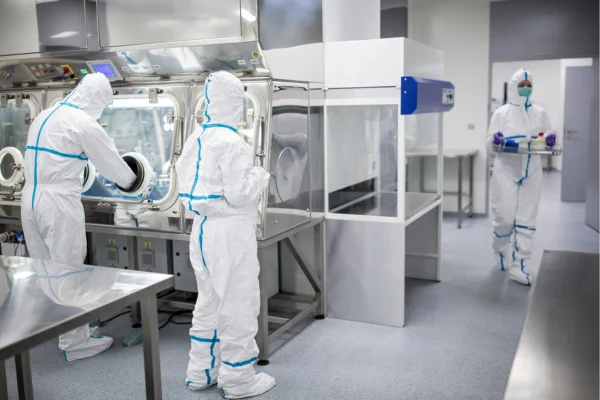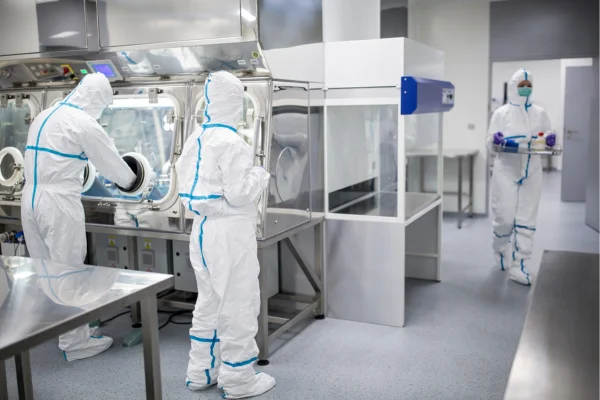
Quality control (QC) testing is an essential part of pharmaceutical manufacturing, ensuring that materials, processes, and final products meet established quality standards throughout the entire production lifecycle. From early development stages to commercial manufacturing, effective QC testing helps verify product consistency, monitor potential risks, and support regulatory compliance.
As pharmaceutical products become increasingly complex, especially biologics such as recombinant proteins, plasmid DNA, and vaccines, manufacturers require comprehensive QC strategies that cover multiple testing stages. A reliable QC system is not only focused on final product inspection but also integrates testing throughout raw materials, intermediate products, process samples, and finished drug products.

QC Testing During Early Development and Process Establishment
QC testing begins before large-scale manufacturing. During research and development, analytical methods need to be established and verified to ensure they can accurately evaluate product quality attributes.
At this stage, QC teams typically focus on developing suitable analytical methods, defining product specifications, and establishing testing procedures for key quality indicators. These activities may include identification, purity analysis, activity testing, impurity detection, and characterization of biological products.
A well developed analytical strategy helps manufacturers understand product characteristics and determine critical quality attributes. It also provides a foundation for future process optimization and regulatory documentation.
For biologics development, analytical method transfer, verification, and validation are especially important because testing methods must remain reliable when moving from development laboratories to manufacturing environments. Yaohai Bio-Pharma provides analytical method transfer, verification, and validation services as part of its quality control platform to support different stages of product development.
QC Testing of Raw Materials and Starting Materials
The quality of raw materials directly affects the safety, effectiveness, and consistency of pharmaceutical products. Therefore, QC testing starts with the evaluation of incoming materials, including raw materials, excipients, and biological starting materials.
Raw material testing typically includes identity confirmation, purity assessment, microbial testing, and evaluation of specific quality characteristics based on product requirements. These tests help ensure that only qualified materials enter the manufacturing process.
For biological products, additional testing may be required for materials such as microbial strains, cell banks, or plasmid-related components. Testing these materials helps confirm their stability, suitability, and consistency before production begins.
A comprehensive raw material testing program reduces risks associated with variability and supports stable manufacturing performance.
in-process QC Testing During Manufacturing
QC testing does not stop after raw material approval. During pharmaceutical manufacturing, in-process testing provides continuous monitoring of critical production stages.
in-process QC testing evaluates samples collected during manufacturing to confirm that the process remains within predefined control ranges. Depending on the product type, testing may include concentration analysis, purity assessment, biological activity evaluation, impurity monitoring, and microbial testing.
For biologics manufacturing, process conditions can significantly influence product quality. Monitoring intermediate products allows manufacturers to identify potential issues early and make timely adjustments.
By integrating QC testing with manufacturing operations, companies can improve process understanding and maintain consistent product quality from batch-to-batch. Yaohai Bio-Pharma’s QC platform works closely with manufacturing and quality assurance teams to support raw material testing, intermediate process control, stability studies, and product release testing.
Stability Studies and Long Term Product Evaluation
Stability testing is another important component of pharmaceutical QC testing. It evaluates how product quality changes over time under different storage conditions.
Stability studies help determine shelf life, storage recommendations, and product performance throughout the intended usage period. Testing parameters may include physical characteristics, chemical properties, biological activity, purity, and degradation products.
For biologics, stability evaluation can be particularly challenging because proteins, nucleic acids, and other biological components may be sensitive to environmental factors such as temperature, humidity, and storage conditions.
A well-designed stability program provides valuable data for regulatory submissions and commercial production planning. Yaohai Bio-Pharma supports stability studies as part of its quality control services, helping evaluate product quality throughout the development and manufacturing lifecycle.
Release Testing Before Product Delivery
Before pharmaceutical products are released, comprehensive QC testing is required to confirm that the final product meets established specifications.
Release testing may include physical, chemical, biological, and microbiological evaluations depending on product characteristics. Common testing areas include product identity, purity, potency, sterility, microbial limits, and impurity levels.
The purpose of release testing is to provide documented evidence that each batch meets quality requirements before entering further development stages or reaching the market.
Reliable release testing requires qualified analytical methods, experienced testing teams, and well-controlled laboratory systems. These elements help ensure accurate results and support regulatory expectations across different markets.
Building a Complete QC Testing Strategy
An effective QC testing strategy requires more than individual laboratory tests. It involves a complete quality framework that connects analytical methods, equipment, personnel training, data management, and regulatory requirements.
Key considerations for establishing a strong QC system include:
Selecting appropriate analytical methods based on product characteristics.
Ensuring testing procedures are validated and reproducible.
Maintaining qualified laboratory equipment and trained QC personnel.
Implementing consistent documentation and data management practices.
Continuously improving testing capabilities as product pipelines develop.
By applying a lifecycle based approach, QC testing can provide deeper insights into product quality and manufacturing performance.
Conclusion: Supporting Pharmaceutical Quality Through Comprehensive QC Testing
QC testing plays a critical role across every stage of pharmaceutical manufacturing, from early analytical development and raw material evaluation to process monitoring, stability studies, and final product release. A complete QC system helps ensure product consistency, supports regulatory compliance, and strengthens confidence in pharmaceutical manufacturing processes.
With extensive experience in GMP quality management and biological product testing, Yaohai Bio-Pharma provides comprehensive QC solutions covering analytical method management, raw material testing, stability studies, and product release testing. Through integrated quality control capabilities, Yaohai Bio-Pharma supports reliable