Drug substance manufacturing is the stage where product quality is built into the material that will later support clinical and commercial development. For biologics, even small changes in fermentation performance, upstream processing, or purification conditions can influence product identity, purity, potency, and safety. Quality therefore needs to be maintained not only during the final steps, but across the full GMP workflow from microbial fermentation and downstream purification through batch release.
When teams plan production for different program timelines, they also need assurance that quality systems, documentation, and operational controls are consistent across scales. Yaohai Bio-Pharma supports this expectation by providing integrated GMP drug substance manufacturing designed for regulatory compliance and reliable manufacturing execution.

GMP Foundations for Consistent Drug Substance Quality
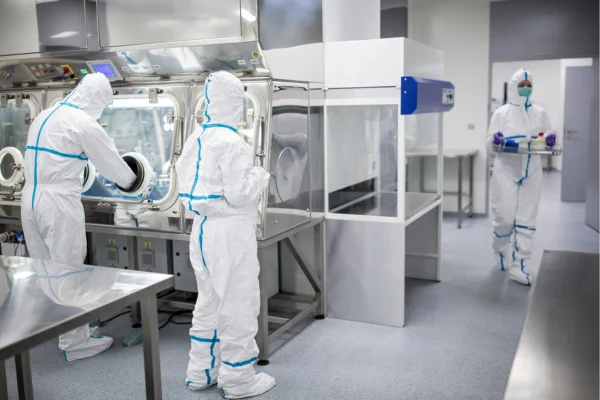
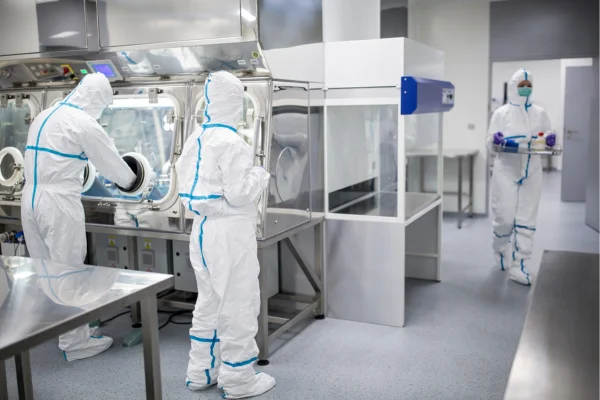
A strong quality framework starts with GMP-aligned facilities and validated systems that support controlled manufacturing. Yaohai Bio-Pharma’s approach includes qualified facility and utility systems, including DQ and IQ and OQ and PQ qualified air handling and water systems. These utilities are essential for maintaining process control, stabilizing operating conditions, and reducing variability that could affect product performance.
Quality is also strengthened through dedicated compliance support. Compliance QA, operational QA, and validation teams help ensure that procedures, evidence, and batch records are managed properly throughout manufacturing. This type of structure helps organizations reduce risk, respond effectively to deviations, and maintain reliable production over time.
Upstream Quality Controls in Microbial Fermentation
For many biologics, drug substance begins with microbial fermentation and purification workflows. Upstream processing strongly impacts the characteristics of the produced biomolecule, including impurities and process-related variants. Maintaining quality requires clear controls over cell culture performance, fermentation conditions, and in-process monitoring.
Yaohai Bio-Pharma provides GMP drug substance manufacturing with bioreactor scales from 50 L to 2000 L. The platform is built for flexibility, including five upstream production lines with total fermentation capacity of 7,500 L. This multi scale capacity supports consistent manufacturing execution across different program needs while enabling dedicated lines for project focus.
Quality assurance during upstream manufacturing includes defined process parameters, monitoring strategies, and documentation practices that support traceability. By operating within GMP standards aligned with NMPA, FDA, and EMA requirements, the manufacturing environment helps teams maintain consistent quality expectations whether the program is in clinical development or preparing for larger volume supply.
Downstream Purification And the Role of Process Robustness
Purification is a key stage for controlling critical quality attributes and removing process-related impurities. Downstream processing can reduce impurities and help achieve target product purity and profile. Maintaining quality during this stage depends on selecting appropriate unit operations and applying controlled processing steps that are validated and governed by quality systems.
Yaohai Bio-Pharma’s downstream platform includes five purification lines equipped with chromatography and ultrafiltration systems designed for biologics processing. These tools support a robust purification workflow for achieving consistent product quality while managing variability that can arise during upstream production.
For decision makers, a key concern is ensuring that downstream processes can be executed reliably across batches and scales. A well organized platform with qualified systems and quality oversight helps reduce batch-to-batch risk, supports repeatability, and strengthens confidence in the overall manufacturing plan.
Facility Scale and Capacity Planning for Dependable Supply
Quality is closely connected to manufacturing stability and capacity planning. When a facility supports multiple scales and maintains structured upstream and downstream lines, it can reduce the operational stress that often leads to schedule driven shortcuts. Instead, it enables planned execution with appropriate resources dedicated to each stage of production.
Yaohai Bio-Pharma’s GMP-compliant drug substance production area exceeds 10,000 m². This includes the ability to scale across defined fermentation sizes and to support multiple production lines with controlled operations. Multi scale fermentation capabilities, five upstream production lines, and five downstream purification lines provide a structured production matrix that helps maintain quality while expanding supply capacity as demand grows.
Technology Transfer and Quality Alignment
Companies often need drug substance manufacturing that can support work developed externally or in earlier stages. In this situation, technology transfer becomes a practical quality requirement because the process must be reproduced in a new facility without losing critical quality attributes.
Yaohai Bio-Pharma supports technology transfer through a structured process and a risk control system. Dedicated project management and quality teams can perform gap analyses and coordinate the transfer of process knowledge into GMP facilities. This helps ensure that quality expectations are aligned early, documentation packages are complete, and manufacturing controls can be executed under the receiving facility’s quality system.
Batch Release Testing and In-House Quality Control Capability
Even with well-controlled upstream and downstream steps, quality release depends on analytical verification. Drug substance batch release should include testing strategies that confirm identity and purity and safety related parameters. This requires validated methods and consistent sample handling and testing procedures.
Yaohai Bio-Pharma maintains an in-house quality control platform capable of over 50 specialized testing methods. Testing covers physicochemical, biochemical, and microbiological parameters, with controls for host cell proteins, host cell DNA, endotoxins, and overall product purity. By supporting these testing categories internally, manufacturers can coordinate timelines, reduce uncertainties, and strengthen release readiness for clinical and commercial supply.
Managing Risk Through Compliance and Validation
Maintaining quality also requires disciplined validation and ongoing assurance. Qualification activities for utilities and systems, supported by QA and validation teams, help ensure that critical manufacturing steps operate within established limits. Validation supports the idea that the process does what it is designed to do, and QA oversight supports the idea that the process continues to do so in routine production.
This is particularly relevant when manufacturing scales up or when multiple products require coordinated schedules. Structured QA and validation support can help ensure that changes are assessed, documented, and implemented with appropriate controls to protect product quality.
Conclusion
Maintaining quality in drug substance manufacturing requires more than careful execution at a single stage. It depends on integrated GMP infrastructure, controlled upstream fermentation, robust purification processes, dependable analytical release testing, and continuous compliance support. Yaohai Bio-Pharma provides GMP drug substance manufacturing with bioreactor scales from 50 L to 2000 L, a multi line upstream and downstream platform, qualified facility and utility systems, dedicated QA and validation support, and a comprehensive in house quality control capability. For teams planning consistent manufacturing outcomes across clinical and commercial supply, Yaohai Bio-Pharma offers a structured and quality-focused approach to drug substance manufacturing.