Biologics manufacturing is a complex process involving living organisms, advanced technologies, and strict quality requirements. Unlike traditional chemical drugs, biologics are produced through biological systems, which means even small variations in raw materials, production conditions, or process parameters can affect product quality. Maintaining consistency throughout development and commercial production has become one of the most critical challenges in the industry.
For companies developing biologic therapies, achieving reliable and repeatable manufacturing results is essential. A product must demonstrate consistent quality, safety, and performance across different batches while meeting global regulatory expectations. This is where GMP biologics manufacturing plays an important role by establishing standardized processes, controlled environments, and comprehensive quality systems.
Why Biologics Are Difficult to Manufacture Consistently
The complexity of biologics comes from their biological nature. Proteins, peptides, antibodies, vaccines, and other biologic products rely on cells or microorganisms to generate the desired molecules. Unlike chemical synthesis, biological production involves many interconnected factors that can influence the final product.
One major challenge is process variability. Changes in cell growth conditions, fermentation parameters, nutrient supply, temperature, or purification processes may impact product characteristics. Even when using the same manufacturing process, maintaining identical results between batches requires precise control and continuous monitoring.
Another challenge is scale-up. A process that performs well in laboratory or pilot-scale production may behave differently when transferred to larger manufacturing equipment. Differences in mixing, oxygen transfer, heat distribution, and other physical conditions can create unexpected variations. Therefore, developing a scalable and robust process is essential for successful commercialization.
How GMP Standards Support Manufacturing Consistency
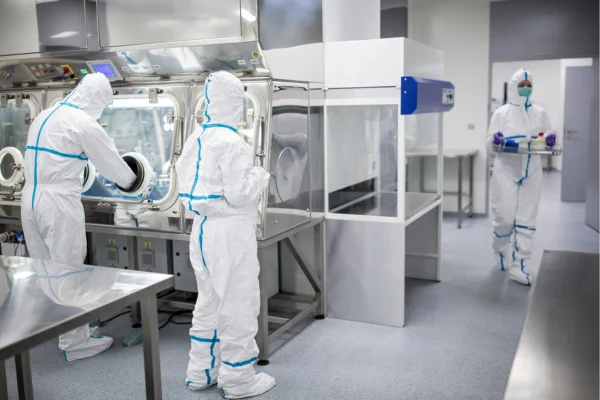
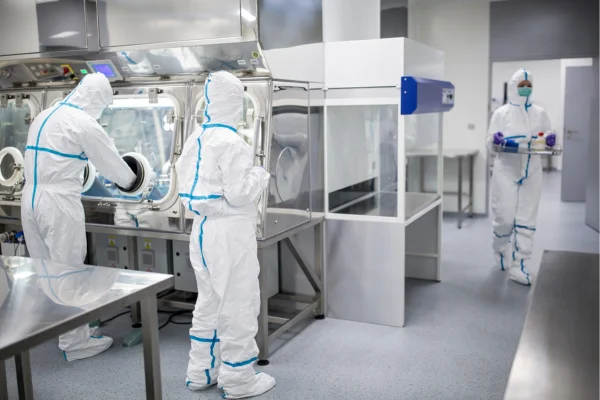
GMP biologics manufacturing provides a structured framework to minimize risks and maintain product quality. GMP requirements focus on every aspect of production, including facility design, equipment qualification, personnel training, documentation, quality control, and process validation.
A strong GMP system ensures that manufacturing activities follow clearly defined procedures. Standard operating procedures help reduce human error, while validated processes confirm that production methods can consistently deliver products meeting predefined specifications.
Quality management is also a key part of maintaining consistency. Through in-process monitoring, analytical testing, and data review, manufacturers can identify potential issues early and take corrective actions before they affect product quality.
For biologics developers, working with a manufacturing partner that has a mature GMP system can reduce production risks and support smoother regulatory submissions.
The Role of Process Development in Reducing Variability
Consistency begins long before commercial manufacturing. Process development determines how effectively a biologic product can be produced at different stages of development.
A well-designed process focuses on identifying critical quality attributes and critical process parameters. By understanding which factors have the greatest impact on product quality, manufacturers can establish better control strategies and improve production reliability.
Technology transfer is another important stage. Moving a process from development laboratories to GMP manufacturing facilities requires detailed documentation, communication, and technical expertise. A successful transfer ensures that the original process performance is maintained during scale-up.
Advanced analytical methods also contribute to consistency by providing accurate information about product characteristics. Reliable testing methods help confirm that each batch meets quality requirements and supports continuous process improvement.
Building Flexibility Without Compromising Quality
Modern biologics manufacturing requires both consistency and flexibility. Different products may require different expression systems, purification approaches, and production scales. Manufacturers need platforms that can adapt to various project requirements while maintaining GMP compliance.
Flexible manufacturing platforms allow companies to support products from early clinical stages through commercial production. This approach helps reduce the challenges associated with repeated process adjustments and enables more efficient development pathways.
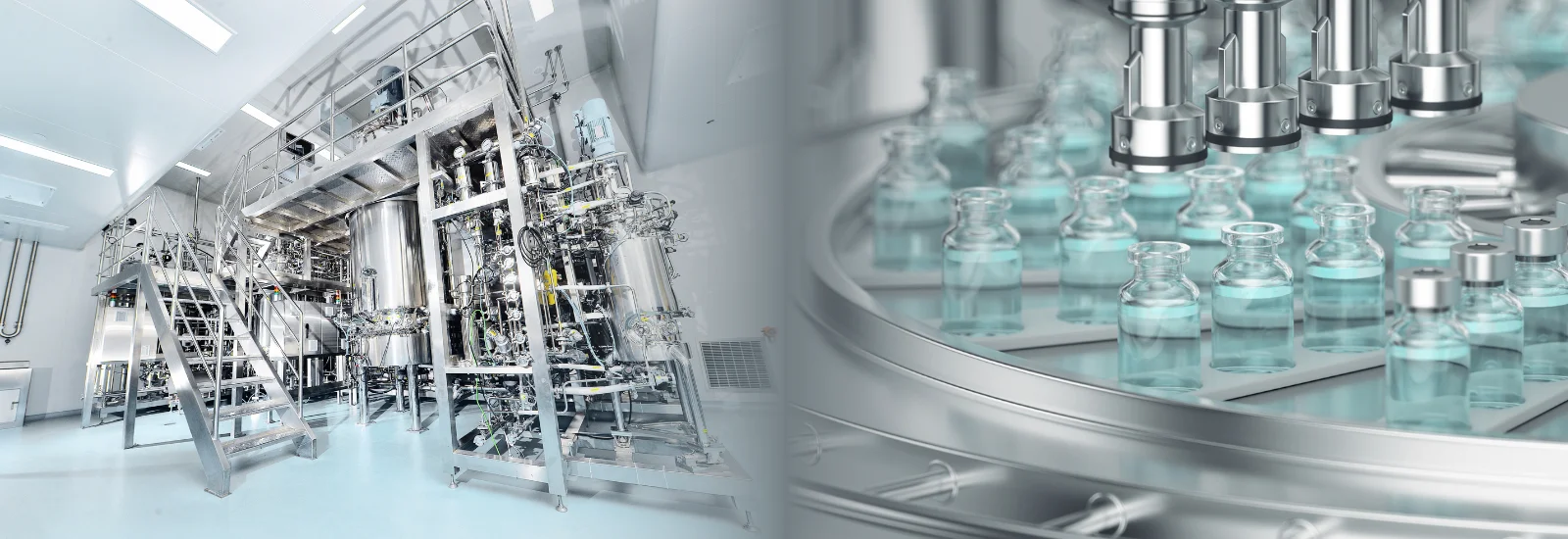
Yaohai Bio-Pharma provides GMP manufacturing solutions based on microbial expression systems, supporting products including recombinant proteins, peptides, vaccines, plasmid DNA, and other biologic modalities. Its GMP manufacturing platform includes drug substance production capabilities across multiple scales, supported by quality systems designed to meet international regulatory expectations.
The ability to provide integrated development and manufacturing services helps ensure that process knowledge is maintained throughout the product lifecycle. This continuity is valuable for improving consistency from laboratory research to commercial supply.
Choosing the Right Manufacturing Partner for Reliable Production
Selecting a suitable manufacturing partner is an important decision for biologics developers. Beyond production capacity, companies need to evaluate technical expertise, quality systems, regulatory experience, and the ability to manage complex projects.
A reliable partner should have established manufacturing processes, strong quality control capabilities, and experience supporting different development stages. Transparent communication and effective project management are also important factors because manufacturing consistency depends on collaboration across development, production, and quality teams.
With increasing regulatory expectations and growing product complexity, manufacturers must continuously improve their processes. The focus is not only on producing a single successful batch but also on creating a sustainable system that can deliver consistent quality over time.
Conclusion
Consistency remains one of the biggest challenges in biologics manufacturing because biological processes are inherently complex and sensitive to variation. Through advanced process development, strict quality management, and GMP biologics manufacturing practices, manufacturers can better control risks and achieve reliable production outcomes.
As biologic products continue to advance, choosing an experienced manufacturing partner with comprehensive capabilities becomes increasingly important. With its integrated GMP manufacturing platform, flexible production capabilities, and focus on quality systems, Yaohai Bio-Pharma supports the development and manufacturing of biologic products with consistent and reliable solutions.