In the rapidly evolving landscape of modern biotechnology, DNA vaccines represent a transformative frontier. Unlike traditional vaccines that use weakened or inactivated viruses, DNA vaccines leverage a genetic blueprint—typically a small, circular piece of DNA called a plasmid—to instruct a patient’s own cells to produce a specific antigen. This innovative approach offers a streamlined path to large-scale vaccine manufacturing, characterized by enhanced safety profiles and shorter production timelines.
However, the transition from a laboratory breakthrough to a viable commercial product hinges on one critical factor: stability. For any biopharmaceutical, but especially for nucleic acid-based therapies, ensuring the structural integrity and potency of the drug substance from the point of manufacture to the moment of administration is a non-negotiable requirement. Stability testing is not merely a regulatory box to be checked; it is the scientific foundation that guarantees a vaccine will perform as intended in diverse real-world environments.
The Science of Stability in DNA Vaccine Production
Stability in the context of DNA vaccine production refers to the ability of the plasmid DNA (pDNA) to maintain its chemical, physical, and biological properties over time. While DNA is inherently more thermally stable than mRNA or live-attenuated viruses—making it a favorite for global distribution in regions with limited cold-chain infrastructure—it is not immune to degradation.
During the manufacturing and storage stages, several factors can compromise the stability of a DNA vaccine. These include:
- Isoform Integrity: pDNA exists in several forms, primarily supercoiled, open-circular, and linear. The supercoiled form is generally considered the most biologically active and efficient for transfection. Over time, factors like pH fluctuations or mechanical stress can cause “nicking” of the DNA strand, leading to a loss of supercoiling. Stability testing monitors the ratio of these isoforms to ensure the product remains in its most potent state.
- Thermal Stress: Although DNA can withstand higher temperatures than many other biologics, prolonged exposure to heat can lead to depurination and subsequent strand breakage. Understanding the thermal degradation kinetics is essential for establishing shelf life and storage conditions.
- Chemical Degradation: Hydrolysis and oxidation are the primary chemical enemies of pDNA. Impurities or trace metal ions introduced during the fermentation or purification process can catalyze these reactions, leading to a gradual loss of activity.
The Role of Stability Testing in Quality Assurance
The purpose of stability testing is to provide evidence on how the quality of a drug substance or drug product varies under the influence of environmental factors such as temperature, humidity, and light. In DNA vaccine production, this data is utilized to establish recommended storage conditions, re-test periods, and shelf lives.
A robust stability testing program involves two primary categories: long-term testing and accelerated testing. Long-term studies are conducted under intended storage conditions (e.g., 2-8°C or -20°C) over the full duration of the product’s expected shelf life. Accelerated studies, on the other hand, subject the vaccine to higher temperatures (such as 25°C or 40°C) to predict long-term stability and identify potential degradation products early in the development cycle.
From a regulatory perspective, organizations like the FDA and EMA require comprehensive stability data before a vaccine can move into late-stage clinical trials or commercialization. This ensures that the clinical results obtained during trials are representative of the product that will eventually reach the public.
Technical Challenges in Large-Scale Production
Scaling up vaccine manufacturing introduces additional complexities. What works in a 5-liter benchtop fermenter may not translate perfectly to a 1,000-liter bioreactor. Large-scale processing involves more intensive shearing forces during pumping and filtration, longer processing times, and complex fill-finish procedures—all of which can impact the stability of the final pDNA product.
For B2B partners and developers, selecting a manufacturing partner with a deep understanding of these variables is vital. The goal is to create a process that is not only high-yield but also consistently produces a stable, high-purity product that meets stringent global standards.
Elevating Quality Standards with Yaohai Bio-Pharma
As a leading microbial CDMO, Yaohai Bio-Pharma recognizes that the success of a DNA vaccine depends on the precision of its manufacturing and the rigor of its analytical testing. We have built an integrated platform designed specifically to address the unique challenges of nucleic acid drugs and recombinant vaccines.
Our expertise in DNA vaccine production begins at the genetic level. We offer comprehensive solutions that span from engineering bacterial construction and Master Cell Bank (MCB) establishment to large-scale cGMP production. We understand that stability is “built-in” during the process development phase. Our team focuses on optimizing fermentation and purification strategies to maximize the supercoiled DNA content while minimizing host cell impurities—such as proteins, RNA, and endotoxins—that could compromise the long-term stability of the vaccine.
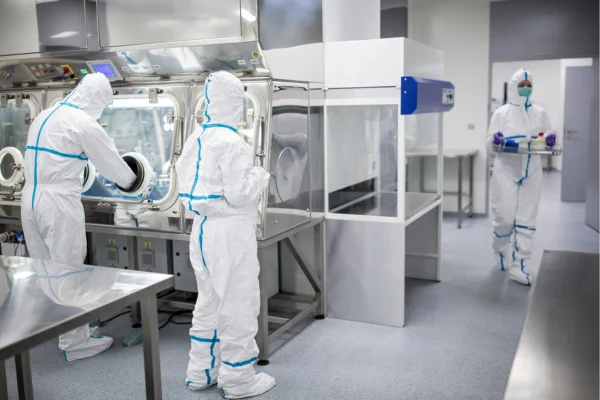
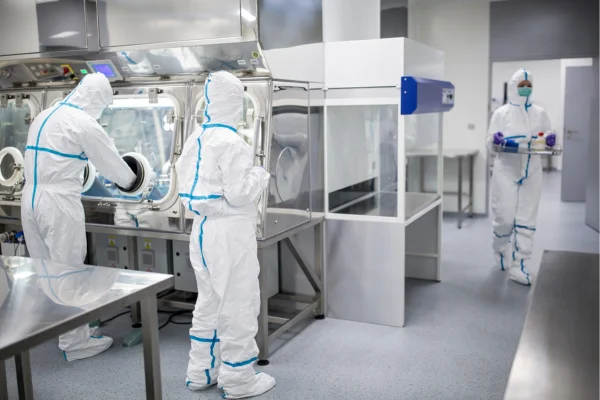
At Yaohai Bio-Pharma, we operate a state-of-the-art 20,000 m² cGMP production base that has successfully passed audits from major international regulatory bodies, including the FDA, NMPA, TGA, and MFDS. This global compliance ensures that the stability data we generate for our clients is robust enough to support drug registration in any market worldwide.
Our quality management system includes dedicated stability-indicating analytical methods. We utilize advanced techniques like High-Performance Liquid Chromatography (HPLC), capillary electrophoresis, and agarose gel electrophoresis to monitor pDNA isoforms and purity with extreme precision. Furthermore, our aseptic preparation workshops and high-speed filling lines are designed to handle various modalities, including lyophilized powder injections, which are often the preferred format for enhancing the stability of vaccines destined for global distribution.
Conclusion
In the competitive world of biopharmaceutical development, speed to market is essential, but it must never come at the expense of safety or efficacy. By partnering with Yaohai Bio-Pharma, developers gain access to a partner that treats stability testing as a cornerstone of the manufacturing process. We are committed to empowering the development of global new drugs and ensuring that every dose produced in our facilities maintains its life-saving potency from our factory to the patient.