In the competitive landscape of biologics production, the “upstream” phase—where living cells are engineered to express a target molecule—often captures the most attention. However, for biopharmaceutical developers, the true challenge often lies in the “downstream” phase. Downstream purification is the intricate series of steps required to isolate, purify, and concentrate the target biologic from the complex “soup” of the fermentation broth. As the industry moves toward higher-titer upstream processes and more complex molecular formats, innovations in downstream processing have become the deciding factor in achieving both regulatory compliance and commercial viability.
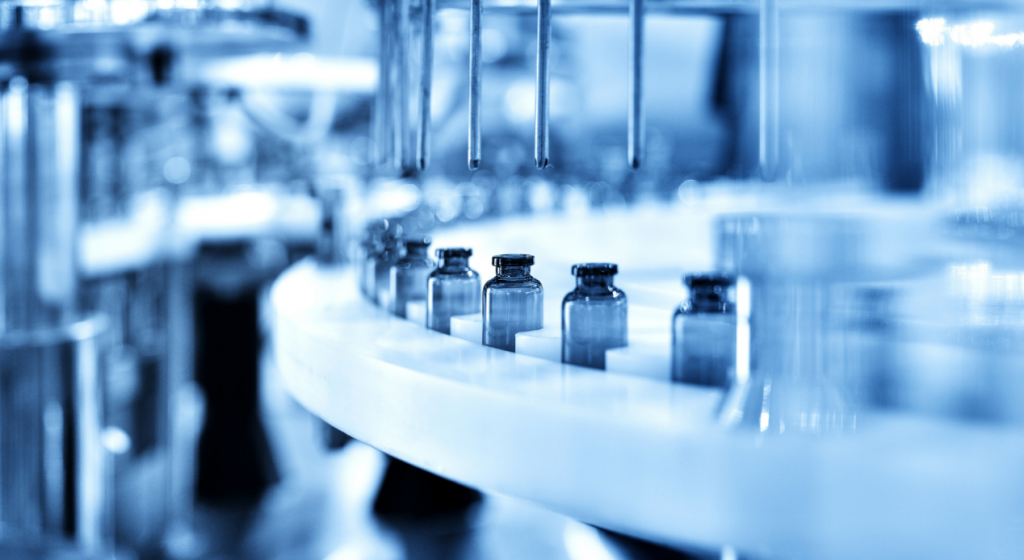
In a GMP production environment, the downstream process must be more than just effective; it must be exceptionally robust, reproducible, and capable of removing impurities to near-undetectable levels.
The Evolution of Downstream Purification Strategies
Traditional downstream processing has long relied on a “platform” approach, typically involving centrifugation for primary recovery followed by multiple rounds of resin-based chromatography. While reliable, these methods are facing increased pressure as the industry seeks to reduce the “cost of goods sold” (COGS) and accelerate time-to-market.
Recent innovations are reshaping how we approach purification:
- High-Throughput Chromatography Resins: Modern resins are engineered with higher binding capacities and faster flow rates. This allows for smaller column volumes and reduced buffer consumption, significantly lowering the physical footprint and the cost of the downstream suite.
- Membrane Adsorbers and Monoliths: For large molecules like viruses or virus-like particles (VLPs), traditional porous resins can be inefficient due to mass-transfer limitations. Membrane adsorbers provide convective flow, allowing for rapid binding and eluting of large species, which is particularly beneficial for high-volume biologics production.
- Single-Use Technology (SUT): The shift from stainless steel to single-use downstream components (such as disposable filters and chromatography systems) has revolutionized GMP production. SUT eliminates the need for complex “Cleaning-in-Place” (CIP) and “Steam-in-Place” (SIP) validations, drastically reducing the risk of cross-contamination and enabling faster changeovers between product batches.
- Continuous Counter-Current Chromatography: By moving away from traditional “batch” chromatography toward continuous systems, manufacturers can process material more efficiently, achieving higher yields with smaller equipment.
Overcoming the “Downstream Bottleneck”
As upstream titers increase—sometimes reaching 10 grams per liter or more in microbial systems—the downstream process can become a bottleneck. If the purification suite cannot keep pace with the volume of crude material being produced by the bioreactors, the entire facility’s throughput is compromised.
Optimizing the downstream process requires a deep understanding of the molecule’s “Critical Quality Attributes” (CQAs). Developers must strategically select purification steps that not only remove host cell proteins (HCPs) and residual DNA but also differentiate between the “active” drug and closely related impurities, such as aggregated or truncated versions of the protein.
For B2B partners, the sophistication of the downstream platform is a key indicator of a manufacturer’s capability. A robust process must demonstrate high clearance of endotoxins and viral particles, ensuring that the final drug substance meets the stringent safety profiles required for human injection.
Integration of PAT in Downstream Quality Control
One of the most significant innovations in the biologics production sector is the integration of Process Analytical Technology (PAT). Instead of relying solely on “end-product” testing, PAT uses real-time sensors (such as UV-Vis, conductivity, and Raman spectroscopy) to monitor the purification process as it happens.
In a GMP production setting, PAT allows for “automated diversion,” where the system can automatically adjust the “cut” of a chromatography peak based on real-time purity data. This reduces human error, increases yield consistency, and provides a level of data integrity that is highly favored by global regulatory bodies.
Pioneering Downstream Excellence with Yaohai Bio-Pharma
At Yaohai Bio-Pharma, we recognize that the purification stage is where the safety and efficacy of a biologic are truly forged. As a premier microbial CDMO, our GMP manufacturing platform features a world-class downstream infrastructure designed to handle the most challenging purification requirements for recombinant proteins, plasmid DNA, and vaccines.
We have integrated the latest innovations in purification technology into our 20,000 m² state-of-the-art production base. Our downstream capabilities are built to match our high-capacity fermentation lines, ensuring a seamless flow from harvest to final fill.
Our specialized downstream services include:
- Advanced Chromatography Suites: We utilize high-pressure chromatography systems and diverse resin libraries to achieve industry-leading purity levels. Our team is expert in refolding strategies for inclusion bodies, a critical skill in microbial biologics production.
- High-Efficiency Filtration Platforms: We employ advanced Tangential Flow Filtration (TFF) and hollow fiber systems for gentle yet effective concentration and diafiltration, preserving the structural integrity of sensitive molecules.
- Global Regulatory Compliance: Our downstream processes are fully validated and documented to meet the rigorous standards of the FDA, EMA, NMPA, and TGA. With a track record of over 100 successful audits, we provide the transparency and data integrity (ALCOA+) that global drug developers require.
At Yaohai Bio-Pharma, we believe in pushing the boundaries of what is possible in biomanufacturing. By combining innovative downstream engineering with a “quality-first” mindset, we help our partners overcome technical hurdles and accelerate their path to clinical and commercial success. We are dedicated to establishing global standards in GMP production, ensuring that the next generation of biologics is delivered with the highest levels of purity and safety.