In the competitive field of biotherapeutics, the nano antibody (or nanobody) has emerged as a high-value modality due to its exceptional stability and small molecular size. However, transitioning a nanobody from the laboratory to clinical-grade production requires a rigorous Quality Control (QC) framework. In a Good Manufacturing Practice (GMP) environment, managing quality is not just about final testing; it is a holistic approach that spans the entire production lifecycle—from the initial strain bank to the final fill-and-finish.
The Pillars of GMP Quality Control for Nanobodies
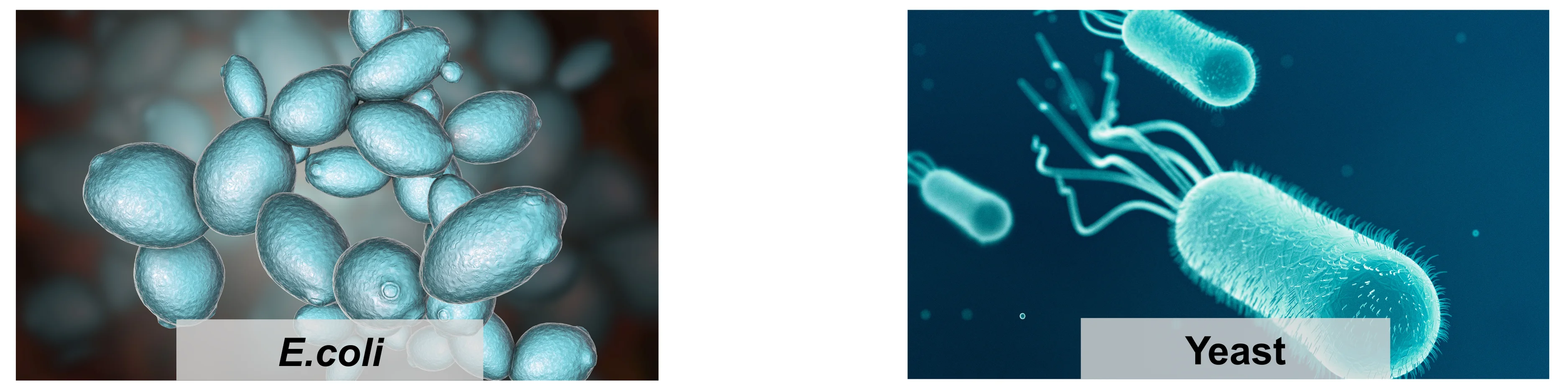
Quality control in nanobody manufacturing is built upon four critical pillars: Identity, Purity, Potency, and Safety. Because nanobodies are typically produced in microbial systems like E. coli or yeast, the QC focus must specifically address host-related contaminants and the structural integrity of these single-domain fragments.
Identity and Structural Verification
Ensuring that the expressed protein is indeed the intended sequence is the first step. For a nano antibody, this involves:
- Intact Mass Analysis: Utilizing Electrospray Ionization Mass Spectrometry (ESI-MS) or MALDI-TOF to confirm the precise molecular weight.
- N-terminal Sequencing: Verifying the start of the protein chain to ensure correct signal peptide cleavage.
- Isoelectric Point (pI) Determination: Using Capillary Isoelectric Focusing (cIEF) to confirm the charge profile of the molecule.
Purity and Heterogeneity Assessment
Nanobodies must be separated from truncated fragments, dimers, or aggregates.
- Size-Exclusion HPLC (SE-HPLC): This is the “gold standard” for detecting protein aggregation and ensuring that the nanobody exists in its active, monomeric state.
- SDS-PAGE & Western Blot: These techniques provide a visual confirmation of purity and molecular weight, while specifically identifying the target protein through antibody binding.
- RP-HPLC: Reversed-Phase High-Performance Liquid Chromatography is used to detect chemical modifications like deamidation or oxidation that could affect the shelf-life of the product.
Safety and Contaminant Testing
Since nanobodies are produced in microbial “molecular factories,” safety testing must be exhaustive to prevent adverse reactions in patients.
- Endotoxin Testing (LAL Assay): E. coli systems naturally produce lipopolysaccharides (endotoxins),which can cause severe immune responses. GMP standards require levels to be strictly below specified thresholds (e.g., USP <85>).
- Host Cell Protein (HCP) & Residual DNA: Utilizing ELISA for HCPs and qPCR for residual host DNA ensures that the purification process has successfully stripped away the “biological background” of the host cell.
- Sterility and Mycoplasma: Comprehensive testing according to USP <71> and USP <63> guarantees the absence of viable microorganisms.
Biological Potency and Affinity
A nanobody is useless if it cannot bind its target.
- Surface Plasmon Resonance (SPR): Instruments like Biacore are used to measure the “on-rate” and “off-rate” of the nanobody-antigen interaction, providing a precise KD (dissociation constant) value.
- Cell-Based Bioassays: These assays confirm that the nanobody performs its intended biological function, such as neutralizing a virus or blocking a cell receptor, in a living system.
Excellence in QC with Yaohai Bio-Pharma
At Yaohai Bio-Pharma, we believe that quality is the “lifeblood” of biopharmaceutical development. Our integrated CMC platform is specifically designed to navigate the complexities of nano antibody manufacturing, ensuring that every batch we produce meets the most stringent international standards.
We operate a 20,000 m² state-of-the-art facility that is fully GMP-compliant. Our quality management system has successfully passed over 100 audits from global authorities, including the FDA, NMPA, TGA, and MFDS. This track record gives our partners the confidence that their clinical candidates are backed by data of the highest integrity.
Our Integrated Quality Research Platform
What sets us apart is our “one-stop” approach to quality research. We don’t just test the final product; we build quality into the process from day one. Our quality research team is equipped with a suite of advanced analytical instruments, including:
- HPLC/UHPLC Systems: (Thermo Vanquish, Agilent 1260) for high-resolution purity and impurity analysis.
- Capillary Electrophoresis (CE): For precise charge heterogeneity and molecular size distribution.
- Fluorescent PCR (ABI QuantStudio 5): For sensitive detection of residual host cell DNA.
- Stability Chambers: For conducting ICH-compliant accelerated and long-term stability studies.
Strategic Quality Management for Nano Antibody Projects
At Yaohai Bio-Pharma, our QC protocols are tailored to the unique characteristics of the microbial expression systems we utilize. Whether we are expressing your nanobody in E. coli or yeast, we implement rigorous in-process controls (IPC) to monitor the health of the culture and the efficiency of the purification steps.
Our service includes:
- Method Development & Validation: We develop and validate product-specific assays according to ICH guidelines to ensure they are robust and reproducible.
- Reference Standard Characterization: We prepare and characterize primary and working reference standards to provide a benchmark for all subsequent batches.
- Transparency & Collaboration: We allow client technical personnel to be stationed on-site. This open-book approach ensures that you have full visibility into the quality metrics of your project in real-time.
By choosing Yaohai Bio-Pharma as your CDMO partner, you are choosing a team that “serves with heart.” We are dedicated to providing the technical rigor and regulatory excellence required to bring your innovative nano antibody therapies to the global market. Our goal is to bridge the gap between discovery and the clinic, ensuring that your life-saving molecules are safe, potent, and ready to change lives.