In the rapidly expanding market for cell and gene therapies, plasmid DNA (pDNA) has become one of the most critical and expensive raw materials. As clinical pipelines mature, the focus for developers has shifted from mere availability to cost-efficiency. Understanding the price structure of GMP plasmid DNA manufacturing is essential for budgeting clinical trials and ensuring the long-term commercial viability of new drug products.

The cost of producing pharmaceutical-grade plasmid DNA is driven by a combination of high-end technical expertise, specialized infrastructure, and the inherent biological complexity of the molecule itself.
The Impact of Quality Grade on Pricing
The single most significant driver of cost is the required “grade” of the plasmid. While R&D-grade material is suitable for early discovery and proof-of-concept, it lacks the documentation and environmental controls required for human use.
- R&D/Discovery Grade: Produced in standard laboratory environments with minimal documentation. It is the most affordable option, primarily used for in vitro testing.
- High-Quality (HQ) / GMP-Like Grade: Often used for toxicology studies and early-phase clinical trials (depending on regional regulations). It bridges the gap by offering better documentation and segregation than R&D grade, without the full overhead of a GMP suite.
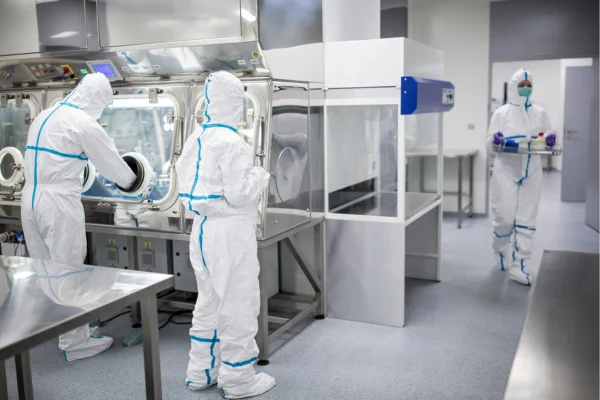
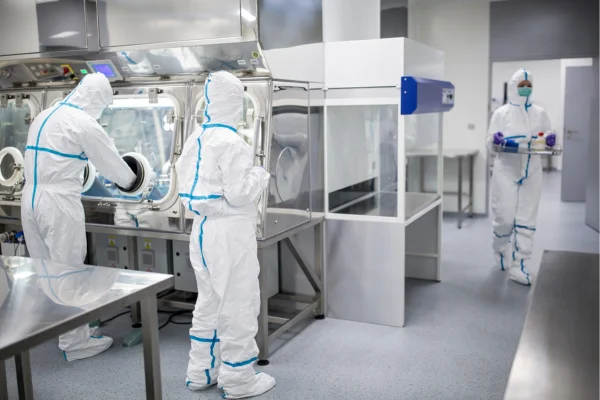
- Full GMP Grade: This is the “gold standard” required for Phase II/III clinical trials and commercial supply. The production cost of full GMP plasmid DNA is usually very high, and the specific price depends on the batch size and purity requirements.This premium covers the cost of rigorous quality assurance (QA), extensive environmental monitoring, and fully validated analytical methods.
Upstream Drivers: Yield and Fermentation Efficiency
In the upstream phase, the primary cost driver is the volumetric yield (the amount of plasmid produced per liter of culture). Traditional fermentation processes often yield less than 200 mg/L, which imposes a significant cost burden as more runs are needed to meet the total mass requirement.
Advanced plasmid DNA manufacturing now employs high-cell-density (HCD) fed-batch fermentation. By optimizing the media composition and controlling nutrient delivery, yield can be boosted to 500 mg/L or even >1 g/L. Improving the yield directly reduces the “Cost of Goods” (COGS) by:
- Reducing the number of fermentation batches required.
- Maximizing the utilization of expensive GMP suite time.
- Minimizing the volume of raw materials and media used per gram of final product.
Downstream Drivers: The Complexity of Purity
Purification—the downstream process—typically accounts for a larger share of the total manufacturing cost than fermentation. Plasmids are large, negatively charged molecules that are highly sensitive to shear stress. Separating the “supercoiled” (biologically active) form of the plasmid from the “open-circular” or “linear” forms is technically demanding.
Key downstream cost factors include:
- Chromatography Resin Costs: High-resolution resins used for ion-exchange (IEX) and hydrophobic interaction chromatography (HIC) are expensive and often have limited reuse cycles in a GMP environment.
- Removal of Host Impurities: Stringent limits on host cell proteins (HCPs), genomic DNA (gDNA), and endotoxins require multi-step purification strategies that increase labor and analytical testing costs.
- Single-Use Technology (SUT): While single-use bags and filters reduce cross-contamination risks and cleaning validation costs, they represent a significant recurring consumable expense in the budget.
Cost Optimization with Yaohai Bio-Pharma
At Yaohai Bio-Pharma, we recognize that for gene therapies to reach the patients who need them, manufacturing costs must be optimized without compromising on safety. As a leading CRDMO specialized in microbial systems, we have developed a suite of services designed to address the key cost drivers of GMP plasmid DNA manufacturing.
We offer a “one-stop” platform that integrates every stage of the process, from initial strain engineering to final aseptic fill and finish. By keeping the entire lifecycle under one roof, we eliminate the hidden costs and delays associated with technology transfer between multiple vendors.
Strategic Infrastructure and Technical Efficiency
Our 20,000 m² state-of-the-art facility in China allows us to leverage industrial-scale efficiencies. Our technical edge in plasmid DNA manufacturing is built on several key advantages:
- High-Yield Fermentation Platforms: We have mastered the techniques required for high-density fermentation, achieving plasmid titers as high as 600mg/L. Our ability to scale from 7L to 2,000L ensures that we can grow with your project from the lab to the clinic.
- Advanced Purification Suites: We utilize automated chromatography systems and tangential flow filtration (TFF) to ensure high supercoiled content (>90%) and ultra-high purity. Our expertise in downstream process development allows us to maximize step yields, directly lowering the cost per gram for our clients.
- Global Compliance at Competitive Rates: We operate under a quality management system that has successfully passed over 100 audits from international authorities including the FDA, NMPA, and TGA. This ensures that the material we produce is ready for global regulatory filings.
A Collaborative Approach to Pricing
We believe in transparency and partnership. At Yaohai Bio-Pharma, we allow client technical personnel to be stationed on-site, providing real-time visibility into the manufacturing process. This collaborative model helps prevent costly misunderstandings and ensures that the process development is aligned with your specific therapeutic goals.
Our “Service with heart” philosophy extends to our pricing models. We work closely with our partners to identify the most cost-effective path to the clinic—whether that involves starting with HQ-grade material for early studies or moving directly into a 2,000L GMP campaign for commercial readiness. By optimizing strain performance and downstream recovery, we help our partners navigate the financial bottlenecks of drug development.
In a market where the cost of a single dose of gene therapy can reach millions of dollars, efficient GMP plasmid DNA manufacturing is not just a technical requirement—it is a moral imperative to make medicine more accessible. At Yaohai Bio-Pharma, we are dedicated to setting global standards and facilitating the process of new drug discovery for a healthier future.