Drug product manufacturing is a critical stage that transforms a developed pharmaceutical candidate into a stable, safe, and commercially available product. Selecting the right manufacturing strategy requires careful consideration of production requirements, regulatory expectations, product characteristics, and long-term supply goals.
For companies developing biologics and advanced therapies, the manufacturing process involves more than simply producing a final dosage form. A suitable strategy should support quality consistency, regulatory compliance, and efficient transition from clinical development to commercial production. Working with an experienced manufacturing partner can help reduce technical challenges and improve project execution.
Understanding the Key Factors in Drug Product Manufacturing
Before selecting a manufacturing approach, it is important to evaluate the specific needs of the product. Different drug types may require different production processes, equipment, and quality control systems.
Product characteristics are among the first factors to consider. Biologics such as recombinant proteins, peptides, vaccines, and nucleic acid products often have complex structures and require highly controlled manufacturing environments. The formulation, stability profile, dosage form, and administration method all influence the final manufacturing plan.
Regulatory requirements are another important consideration. Drug product manufacturing must follow strict quality standards to ensure product safety and reliability. Facilities, processes, analytical methods, and documentation systems should be designed to meet applicable GMP requirements throughout development and commercialization.
Selecting the Appropriate Manufacturing Model
Companies generally need to decide whether to build internal manufacturing capabilities or work with an external manufacturing partner. While internal production may provide direct control, it also requires significant investment in facilities, equipment, technical teams, and regulatory systems.
An external manufacturing model allows access to established production platforms and specialized expertise without the need to develop all capabilities independently. This approach can be particularly valuable during clinical development stages when production requirements may change as programs advance.
A suitable partner should provide flexible support across different phases, including clinical trial material preparation, process optimization, technology transfer, and commercial manufacturing. This continuity helps maintain consistency when scaling from early development to larger production volumes.
Importance of Aseptic Fill and Finish Capabilities
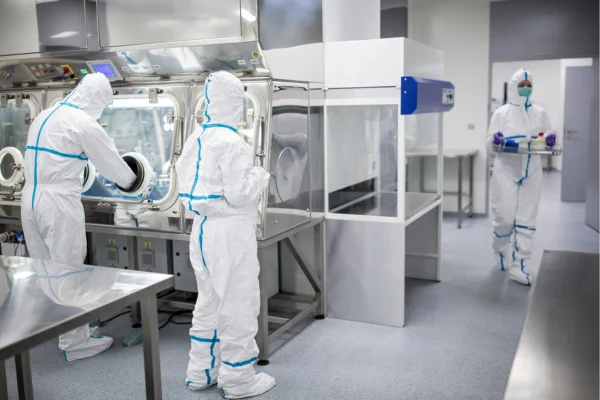
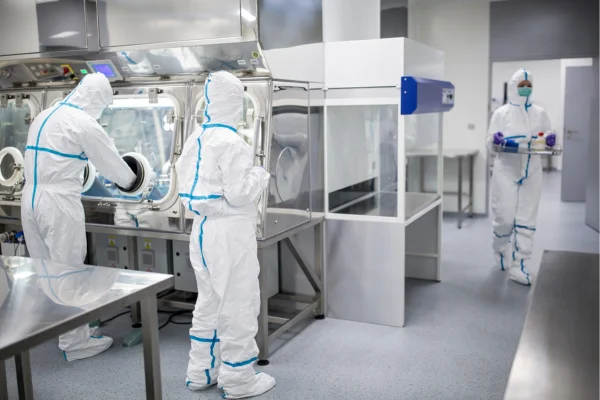
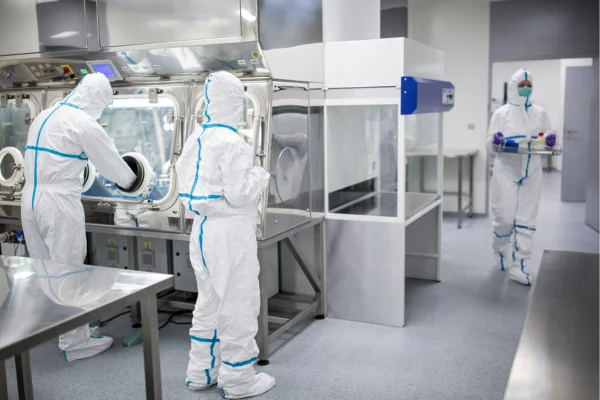
For many injectable biologics, drug product manufacturing involves aseptic filling and finishing processes. These operations require strict environmental controls, validated procedures, and advanced equipment to minimize contamination risks.
The selection of filling technology depends on the product format, including options such as vials, pre filled syringes, and cartridges. Manufacturing facilities should have appropriate capabilities to support different dosage forms and production scales.
A reliable aseptic manufacturing platform should also include comprehensive quality management systems, process validation, and testing procedures. These elements help ensure that each batch meets predefined quality standards before release.
Building a Flexible Manufacturing Strategy for Different Development Stages
One of the main challenges in drug development is managing changing production needs. A process suitable for early clinical studies may require adjustments when moving toward commercial supply.
Flexible manufacturing strategies allow companies to adapt production capacity and processes based on project requirements. This includes selecting suitable batch sizes, optimizing manufacturing parameters, and ensuring smooth technology transfer between development and production stages.
For biologics, scalability is especially important. Manufacturing platforms that support multiple production scales can help reduce challenges during process expansion. Yaohai Bio-Pharma provides GMP manufacturing capabilities with flexible bioreactor scales and integrated production services to support projects from clinical development through commercial supply.
Quality Management and Regulatory Support
A successful drug product manufacturing strategy depends heavily on quality management. Beyond production equipment, companies need strong systems for documentation, testing, deviation management, and process control.
Regulatory support is also an essential part of manufacturing planning. Experienced teams can help ensure that manufacturing processes align with submission requirements and international regulatory expectations.
A manufacturing partner with established quality systems can provide additional confidence throughout development. Yaohai Bio-Pharma operates GMP-compliant manufacturing platforms designed to support global regulatory requirements, including standards from regulatory authorities such as NMPA, FDA, and EMA.
How to Evaluate a Drug Product Manufacturing Partner
Choosing a manufacturing partner requires evaluating several practical factors. Technical capabilities, facility readiness, quality systems, project experience, and communication processes all influence the success of a manufacturing program.
Companies should consider whether a partner can provide support beyond production. Services such as process development, analytical testing, formulation support, and regulatory assistance can improve efficiency throughout the product lifecycle.
Experience with similar product types is another important factor. A partner familiar with complex biologics and advanced manufacturing processes can better anticipate technical challenges and provide effective solutions.
Conclusion
Choosing the right strategy for drug product manufacturing requires a balanced approach that considers product requirements, regulatory expectations, production flexibility, and long-term development plans. From aseptic filling capabilities to quality management systems, every element plays an important role in creating a reliable manufacturing pathway.
By working with a manufacturing partner that combines technical expertise, GMP facilities, and comprehensive support services, companies can better navigate the challenges of pharmaceutical development. With its integrated GMP manufacturing platform and experience supporting biologics projects, Yaohai Bio-Pharma provides flexible drug product manufacturing solutions designed to support clinical and commercial needs.