In the high-stakes arena of drug development, the transition from a laboratory breakthrough to a clinical-grade therapeutic is governed by a simple yet absolute rule: compliance is the currency of credibility. For biologics, which are synthesized by living systems, the complexity of the “product” is inseparable from the complexity of the “process.” Ensuring compliance in biopharmaceutical development biologics development is a multi-layered challenge that requires an unwavering commitment to international quality standards, rigorous documentation, and scientific precision.

At the heart of this effort is the CMC (Chemistry, Manufacturing, and Controls) dossier. It serves as the definitive evidence that a manufacturer can produce a biologic that is consistently safe, pure, and potent, batch after batch.
The Regulatory Landscape: A Global Moving Target
The path to market for a biologic is navigated through a dense thicket of guidelines issued by authorities such as the FDA (USA), EMA (Europe), and NMPA (China). While these agencies are increasingly harmonizing their expectations through the International Council for Harmonisation (ICH), regional nuances remain a significant hurdle for global developers.
Compliance is built upon three foundational regulatory pillars:
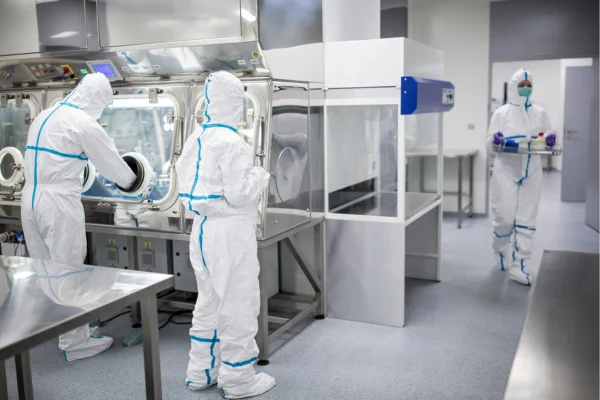
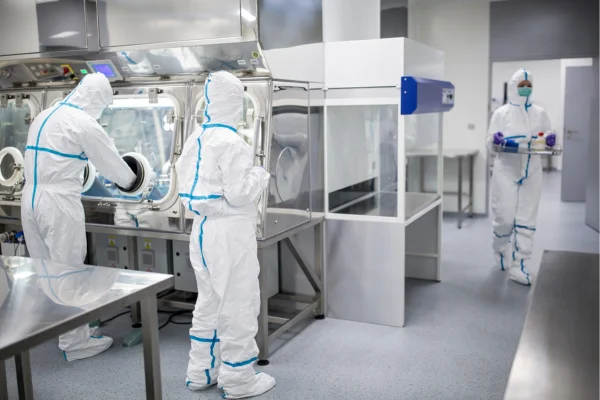
- Good Manufacturing Practices (GMP): These regulations govern every aspect of the production environment—from cleanroom air quality and equipment calibration to personnel training and cross-contamination prevention.
- Quality by Design (QbD): Modern compliance has evolved from “testing in quality” at the end of production to “building in quality” from the start. This involves identifying Critical Quality Attributes (CQAs) of the molecule and defining a “design space” where manufacturing parameters can vary without impacting the product’s safety or efficacy.
- Data Integrity (ALCOA+): In the digital age, compliance is as much about the data as it is about the drug. Regulatory bodies require that data be Attributable, Legible, Contemporaneous, Original, and Accurate (ALCOA). A single gap in an audit trail can jeopardize an entire Investigational New Drug (IND) application.
Technical Hurdles in Biologics Compliance
Unlike small-molecule drugs, biologics—such as recombinant proteins, monoclonal antibodies, and DNA vaccines—are highly sensitive to their environment. This inherent instability introduces several compliance risks:
- Host Cell Contaminants: Using microbial or mammalian “factories” means the final product must be exhaustively cleared of host cell proteins (HCPs), residual DNA, and endotoxins. Compliance requires validated analytical methods that can detect these impurities at parts-per-million levels.
- Viral Safety: For products derived from cell cultures, demonstrating viral clearance is a non-negotiable safety requirement. This involves “spiking” studies where the process is challenged to remove or inactivate a battery of model viruses.
- Comparability Protocols: Whenever a process is changed—such as scaling up from a 50L pilot to a 2,000L commercial fermenter—manufacturers must prove through extensive analytical testing that the “new” product is comparable to the “old” one used in earlier clinical trials.
Strategic Risk Management in CMC Development
For B2B partners, the most significant risk to a project is not scientific failure, but a regulatory “hold” caused by inadequate CMC development. Managing this risk requires a proactive approach to quality. This includes conducting “gap analyses” early in the development cycle to identify potential compliance weaknesses and performing mock audits to ensure the facility is inspection-ready.
The choice of a CDMO partner becomes a strategic decision in this context. A partner with a proven track record of successful regulatory submissions and a robust quality management system (QMS) acts as a force multiplier, significantly reducing the time-to-market and the overall regulatory risk.
Unwavering Compliance Standards at Yaohai Bio-Pharma
At Yaohai Bio-Pharma, we believe that quality is the lifeblood of innovation. Our CMC development platform is engineered to meet the highest global standards, providing our partners with the regulatory confidence needed to compete on the international stage. As a specialized microbial CDMO, we don’t just follow the rules; we set the benchmark for excellence in biopharmaceutical development biologics development.
We operate from a 20,000 m² state-of-the-art production base that has been meticulously designed for full cGMP compliance. Our facilities have successfully passed over 100 audits from major global authorities, including the FDA, NMPA, TGA, and MFDS. This global compliance footprint ensures that the data we generate is “submission-ready” for any major market.
Our commitment to compliance is integrated into every service we provide:
- Traceable Strain Engineering: We use host strains sourced from world-renowned, traceable libraries (ATCC, ThermoFisher), ensuring a clean regulatory history and freedom from patent restrictions.
- Validated Analytical Platform: Our “Controls” are backed by advanced instrumentation and rigorously validated methods. We provide the full suite of CQA testing—including purity, integrity, potency, and stability—required for both IND and BLA filings.
- Robust Quality Management System: Our QMS governs the entire product lifecycle, from Master Cell Bank (MCB) establishment to aseptic fill-finish. We emphasize rigorous change control and deviation management, ensuring that every batch comes with a transparent and complete audit trail.
At Yaohai Bio-Pharma, we understand that for our partners, “the process is the product.” By combining our deep technical expertise in microbial expression with a “compliance-first” mindset, we empower biotechnology companies to navigate the complexities of biologics development with speed and certainty. We are dedicated to establishing global standards and ensuring that the life-saving therapies of tomorrow are built on the highest quality foundations of today.