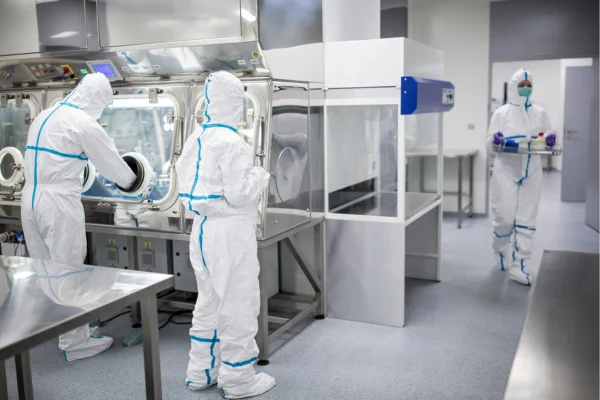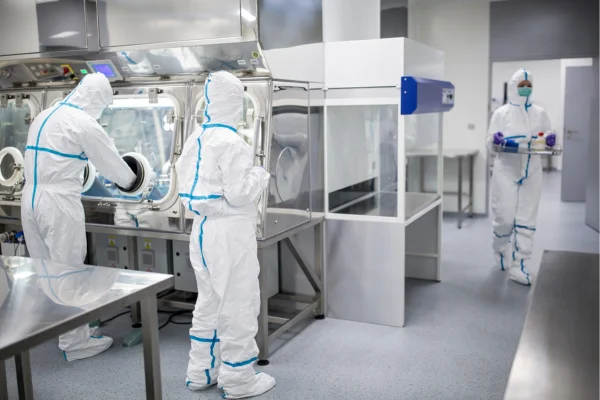
Analytical testing is a critical step in plasmid DNA manufacturing, ensuring that the final product meets quality standards and is safe for downstream applications. At Yaohai Bio-Pharma, we have extensive experience supporting clients through every stage of pDNA manufacturing, from early development to commercial production. Understanding common pitfalls can help streamline the process and prevent costly delays.
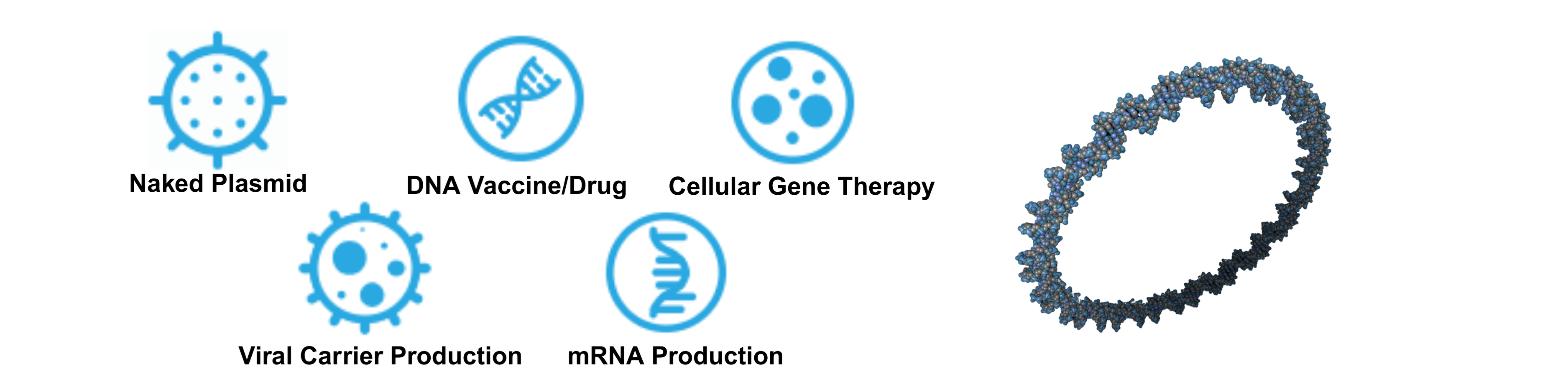
Incomplete Characterization of Plasmid DNA
One of the most frequent mistakes in plasmid DNA manufacturing is incomplete characterization of the plasmid construct. Failing to fully assess sequence integrity, supercoiling status, or endotoxin levels can compromise both product efficacy and safety. At Yaohai Bio-Pharma, we apply comprehensive analytical techniques and quality controls to verify sequence accuracy and plasmid topology, minimizing risk during clinical and commercial production.
Ignoring Critical Quality Attributes (CQAs)
Another common error involves neglecting the critical quality attributes (CQAs) of plasmid DNA, such as purity, residual host cell DNA, and RNA contamination. Overlooking these parameters may lead to batch failures or regulatory challenges. Our pDNA manufacturing platform incorporates QbD-driven process design, allowing us to define and monitor CQAs consistently across multiple scales, from lab to GMP production.
Inconsistent Sample Handling
Improper sample handling during testing can introduce variability and affect results. Mishandling or storing samples under non-optimal conditions often leads to degradation or inaccurate measurements. At Yaohai Bio-Pharma, we maintain standardized procedures and robust training for all analytical operations, ensuring that plasmid DNA manufacturing outcomes are reliable and reproducible.
Overlooking Method Validation
Method validation is essential for accurate analytical testing, yet it is sometimes underestimated. Using unvalidated or inadequately optimized assays can result in false positives or negatives, impacting product release. Our teams rigorously validate each analytical method in accordance with GMP and regulatory guidelines, supporting both clinical and commercial pDNA manufacturing needs.
Inadequate Integration with Manufacturing Processes
Finally, disconnecting analytical testing from upstream and downstream processes can lead to inefficiencies. Analytical results must inform process adjustments and quality decisions. At Yaohai Bio-Pharma, we integrate testing with our high-density fermentation and downstream purification workflows, providing full-cycle oversight from strain development to clinical sample production. Our GMP-compliant facilities and comprehensive quality management systems ensure that plasmid DNA manufacturing is efficient and fully traceable.
Conclusion: Optimizing Analytical Testing in pDNA Manufacturing
By recognizing these common mistakes, we help clients enhance their pDNA manufacturing processes and achieve reliable outcomes. At Yaohai Bio-Pharma, our experienced team, advanced GMP-compliant facilities, and end-to-end plasmid DNA services provide a robust foundation for analytical testing, ensuring high-quality products and accelerating the path from laboratory research to clinical application.