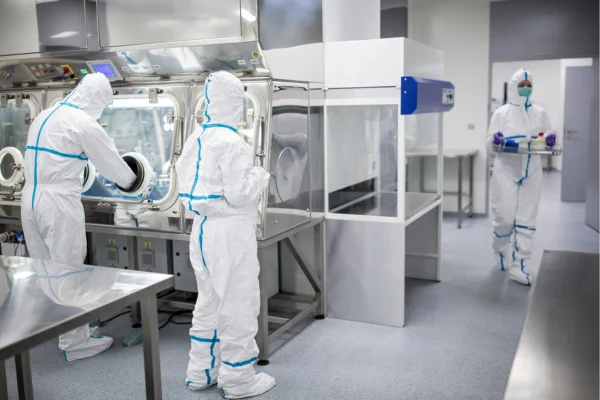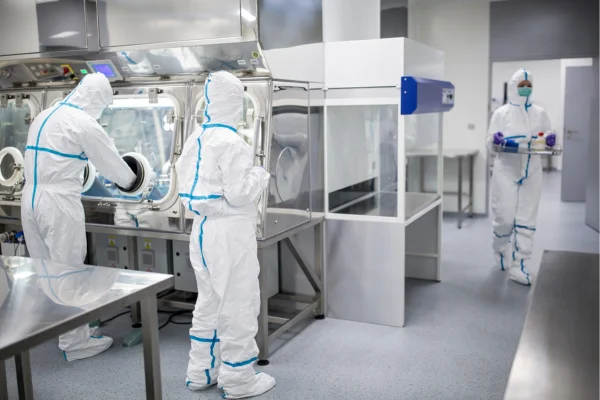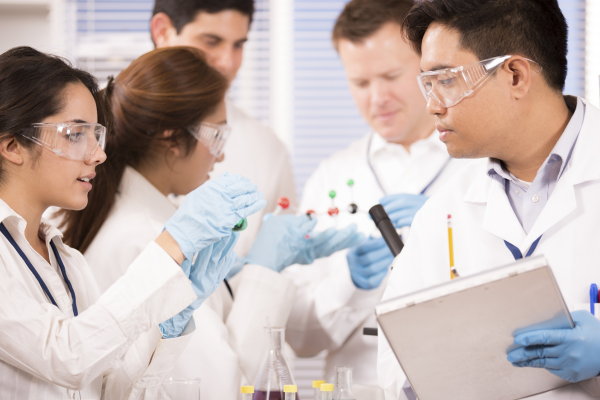
Vaccine development and manufacturing require close coordination across multiple stages, from early research and process optimization to clinical production and commercial supply. As vaccine technologies continue to evolve, developers need more than individual production capabilities. They need an integrated approach that connects scientific innovation, manufacturing processes, quality systems, and regulatory requirements.
An integrated vaccine development and manufacturing model helps reduce technical risks, improve process consistency, and support smoother transitions between different development phases. By combining research expertise with scalable manufacturing capabilities, companies can create a more efficient pathway for bringing vaccine candidates from laboratory concepts to market-ready products.
Why Integration Matters in Vaccine Development
Traditional vaccine development often involves multiple partners handling different stages of the process. While this approach can provide specialized expertise, it may also create challenges in communication, technology transfer, and process alignment. Differences between research and manufacturing teams can affect timelines and increase development complexity.
Integrated vaccine development and manufacturing addresses these challenges by connecting early-stage research with downstream production planning. From antigen design and strain development to analytical testing and GMP manufacturing, every stage can be planned with future production requirements in mind.
This approach allows developers to identify potential manufacturing challenges earlier, optimize production processes before clinical stages, and establish quality standards that support regulatory expectations. A well-integrated platform can also provide greater flexibility when adapting vaccine technologies for different applications.
Supporting Diverse Vaccine Technologies
The vaccine industry includes a wide range of platforms, including recombinant protein vaccines, DNA vaccines, mRNA vaccines, virus-like particle vaccines, and other innovative approaches. Each technology requires specific development strategies, production systems, and quality evaluation methods.
A comprehensive vaccine development and manufacturing platform should have the technical capability to support different vaccine formats while maintaining consistent quality standards. For example, microbial expression systems can provide advantages in producing recombinant vaccine components through established fermentation and purification processes.
Yaohai Bio-Pharma provides integrated vaccine CRDMO services covering multiple vaccine modalities, including DNA vaccines, mRNA vaccines, VLP vaccines, and recombinant vaccine approaches. Its services cover key stages such as microbial strain development, cell banking, process development, GMP manufacturing, analytical testing, and regulatory support.
By offering a connected development and manufacturing pathway, Yaohai Bio-Pharma helps vaccine developers address technical requirements throughout the product lifecycle.
Improving Manufacturing Readiness Through Early Planning
One of the major challenges in vaccine development is ensuring that a promising candidate can be produced consistently at larger scales. A vaccine that performs well in laboratory studies may face new challenges during process scale-up, including yield optimization, purification efficiency, stability, and quality control.
Integrating manufacturing considerations into early development helps create processes that are suitable for future production needs. This includes establishing robust upstream and downstream processes, developing reliable analytical methods, and preparing documentation required for regulatory submissions.
Early manufacturing planning can also support smoother technology transfer. When development and production teams work within the same integrated framework, critical process information can be maintained more effectively, reducing delays when moving from research batches to clinical or commercial manufacturing.
Quality and Regulatory Considerations in Vaccine Manufacturing
Vaccine products require strict quality control because they are designed for preventive healthcare applications and are often administered to large populations. Manufacturing processes must meet rigorous standards for identity, purity, potency, safety, and consistency.
An integrated development and manufacturing strategy helps establish quality systems from the beginning rather than adding them later. This includes analytical method development, process validation planning, stability studies, and regulatory documentation preparation.
Yaohai Bio-Pharma supports vaccine projects with GMP manufacturing capabilities and quality systems designed to meet international regulatory expectations. The company provides services across the vaccine lifecycle, from early research and clinical manufacturing to commercial-scale production support.
Choosing the Right Partner for Vaccine Development and Manufacturing
Selecting a suitable vaccine development and manufacturing partner requires careful evaluation of technical capabilities, production infrastructure, quality management systems, and project experience.
A reliable partner should provide more than manufacturing capacity. It should understand the scientific challenges behind vaccine development and offer support throughout different stages of the product lifecycle. Important factors include experience with relevant vaccine platforms, scalable production technologies, regulatory knowledge, and the ability to manage complex development requirements.
Yaohai Bio-Pharma focuses on microbial expression systems and provides one-stop CRDMO solutions for vaccine and biologics projects. With capabilities covering process development, analytical testing, GMP manufacturing, and regulatory support, the company helps developers create a connected pathway from research to production.
The Future of Integrated Vaccine Development and Manufacturing
As vaccine technologies continue to advance, integration will become increasingly important for improving efficiency and maintaining product quality. New vaccine platforms require specialized scientific knowledge, flexible manufacturing solutions, and strong regulatory strategies.
An integrated approach allows developers to manage complexity more effectively while creating scalable solutions for future vaccine needs. By connecting innovation with manufacturing expertise, the vaccine industry can continue improving the speed, reliability, and quality of vaccine production.
Conclusion
Integrated vaccine development and manufacturing provides a structured approach to overcoming challenges across the vaccine lifecycle. By combining research, process development, manufacturing, quality control, and regulatory support, developers can create a more reliable pathway from initial discovery to commercial production.
Yaohai Bio-Pharma offers comprehensive vaccine CRDMO solutions designed to support different vaccine technologies and development stages. Through integrated services and manufacturing expertise, it helps partners advance vaccine programs with greater efficiency, consistency, and confidence.