mRNA vaccine development has become an important approach in modern vaccine research due to its ability to translate genetic information into targeted antigen production. Unlike traditional vaccine platforms that often rely on weakened or inactivated pathogens, mRNA vaccines use messenger RNA sequences to instruct cells to produce specific antigens and stimulate an immune response. This approach provides researchers with a flexible pathway for developing vaccines against infectious diseases and emerging health challenges.
However, moving an mRNA vaccine from concept to clinical application requires more than designing a genetic sequence. Successful development depends on multiple interconnected steps, including sequence optimization, mRNA synthesis, purification, formulation, analytical testing, process development, and regulatory preparation. Each stage requires careful control to ensure product quality, safety, and consistency.
With integrated mRNA technology platforms, companies such as Yaohai Bio-Pharma support vaccine projects through different development phases, helping researchers transform early concepts into clinical-ready solutions.
Sequence Design: The Foundation of mRNA Vaccine Development
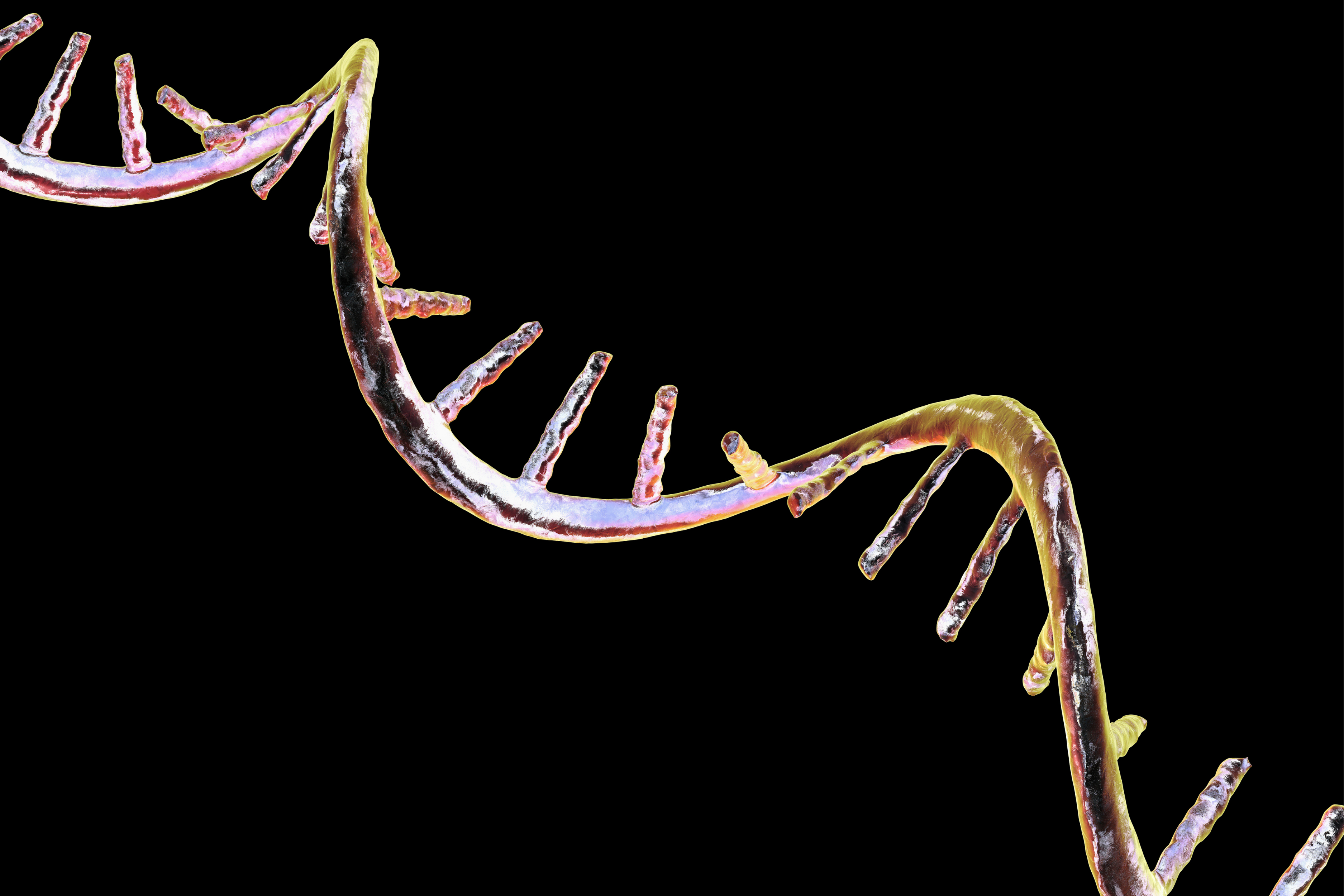
The first step in mRNA vaccine development is selecting and optimizing the antigen-encoding sequence. Scientists identify the target antigen based on the characteristics of the pathogen or disease target and then design an mRNA sequence capable of producing the desired protein efficiently.
Sequence design involves several considerations, including codon optimization, mRNA structure, untranslated regions, and stability. These factors influence protein expression levels and the overall performance of the vaccine candidate. A well-designed sequence can improve translation efficiency while reducing unwanted immune responses caused by impurities or unstable structures.
At this stage, researchers also evaluate whether the selected antigen can generate an appropriate immune response. Careful antigen selection and sequence engineering help establish the foundation for later preclinical studies and clinical development.
mRNA Synthesis and Purification Process
After sequence design, the next challenge is producing high-quality mRNA material. The production process typically begins with plasmid DNA preparation, followed by in vitro transcription to generate mRNA molecules.
During synthesis, key factors such as RNA integrity, capping efficiency, and purity must be carefully controlled. Impurities, including double-stranded RNA and residual DNA templates, may affect product performance and safety, making purification and quality analysis essential parts of the manufacturing process.
Yaohai Bio-Pharma provides integrated mRNA solutions covering plasmid preparation, mRNA synthesis, purification, lipid nanoparticle formulation, GMP manufacturing, and regulatory support. Its RNASUP platform is designed to support projects from early research stages through commercial manufacturing requirements.
Lipid Nanoparticle Formulation and Delivery Optimization
Because mRNA molecules are naturally fragile and easily degraded, an effective delivery system is necessary to protect the mRNA and enable cellular uptake. Lipid nanoparticles (LNPs) are commonly used as delivery vehicles because they can encapsulate mRNA and help transport it into cells.
LNP formulation involves optimizing several parameters, including particle size, encapsulation efficiency, stability, and release characteristics. These properties directly influence how effectively the vaccine delivers genetic information and stimulates antigen production.
For vaccine developers, selecting an appropriate formulation strategy is a critical decision. A reliable formulation process can support better product stability, manufacturing consistency, and future scale-up.
From Preclinical Research to Clinical Translation
After laboratory development and analytical evaluation, mRNA vaccine candidates enter preclinical studies to assess immune response, safety profiles, and biological activity. Data generated during this stage supports regulatory submissions and preparation for clinical trials.
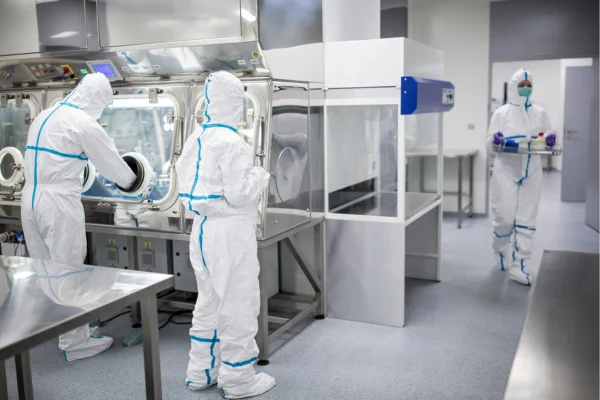
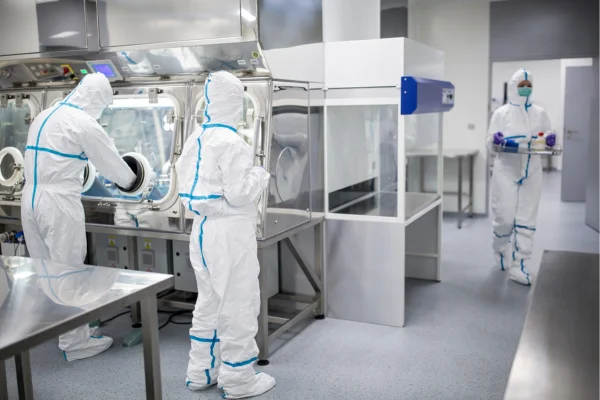
Clinical translation requires a strong connection between research and manufacturing. Developers need processes that can transition smoothly from small-scale laboratory production to GMP manufacturing while maintaining product quality.
Key considerations during clinical development include:
Safety evaluation and immune response monitoring
Scalable manufacturing processes
Validated analytical methods
Regulatory documentation preparation
Quality management throughout production
A complete development strategy helps reduce technical risks and improves the efficiency of moving candidates into clinical studies.
Challenges in mRNA Vaccine Development
Although mRNA technology provides new opportunities for vaccine innovation, developers still face several challenges. Stability remains one of the major considerations because mRNA molecules require careful handling and optimized storage conditions.
Manufacturing scalability is another important factor. Producing consistent GMP-grade mRNA requires advanced process control, reliable raw materials, and comprehensive quality testing. In addition, regulatory requirements for novel vaccine technologies require detailed characterization and documentation.
Working with an experienced development partner can help address these challenges by providing established platforms, technical expertise, and support across multiple stages of the product lifecycle.
How Yaohai Bio-Pharma Supports mRNA Vaccine Development
Yaohai Bio-Pharma provides end-to-end CRDMO services for vaccine and mRNA projects, covering early research, process development, GMP manufacturing, quality control, and regulatory support. Its vaccine platform supports different vaccine technologies, including mRNA vaccines, DNA vaccines, and other recombinant vaccine approaches.
For mRNA vaccine projects, Yaohai Bio-Pharma integrates sequence design support, plasmid preparation, mRNA production, purification, LNP formulation, analytical testing, and manufacturing capabilities. This integrated approach helps researchers maintain continuity throughout the development process and prepare candidates for clinical translation.
Conclusion
mRNA vaccine development is a complex process that requires coordination across molecular design, manufacturing technology, formulation science, quality control, and regulatory preparation. From selecting the right sequence to producing clinical-grade material, every step plays an important role in achieving successful translation.
As mRNA technologies continue to expand into new vaccine applications, reliable development platforms will remain essential for advancing innovative vaccine candidates. Through comprehensive CRDMO capabilities and integrated mRNA solutions, Yaohai Bio-Pharma supports researchers in progressing vaccine concepts from sequence design toward clinical development.