As biologics advance from laboratory research to clinical supply and commercial readiness, CMC development becomes a defining factor in whether a program can progress smoothly. Scale-up is rarely a linear extension of early experiments; it introduces new variables in process control, reproducibility, and regulatory compliance. In microbial expression systems, differences in fermentation volume, oxygen transfer, and downstream recovery often magnify small inconsistencies observed at bench scale. At Yaohai Bio-Pharma, we approach scale-up challenges in CMC process development by aligning early technical decisions with long-term manufacturing and regulatory objectives, ensuring that process transitions remain predictable and well controlled.

Understanding the Root Causes of Scale-Up Risk
One of the most common obstacles in CMC development is the gap between laboratory feasibility and large-scale manufacturability. Process parameters optimized at a small scale may not translate directly to 500 L or 2000 L systems, particularly in microbial fermentation. Variability in strain stability, cell banking quality, and raw material control can affect yield and product consistency during scale-up. In our work, we focus on traceable microbial strains sourced from authorized institutions and apply regulatory-compliant cell banking strategies that support CMC process development from the outset. By qualifying and releasing Master and Working Cell Banks under GMP conditions, we reduce uncertainty during scale transitions and maintain alignment with FDA and global pharmacopoeia requirements.
Integrating Process Design with Regulatory Expectations
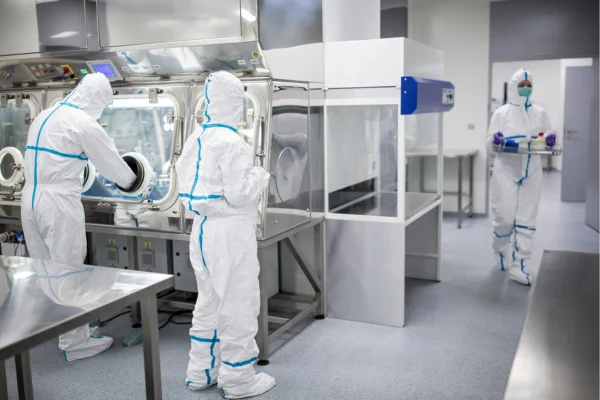
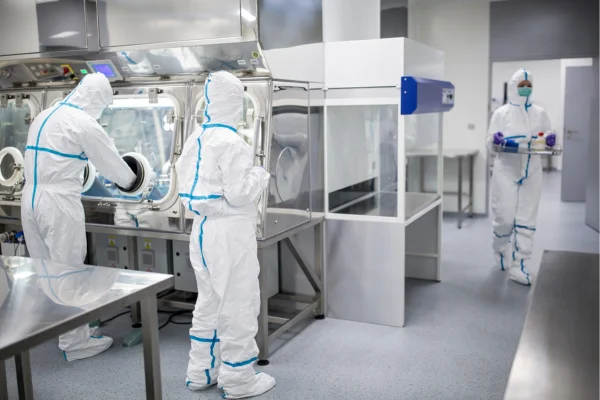
Successful scale-up depends not only on engineering solutions but also on regulatory readiness. During CMC development, insufficient attention to cell bank documentation, testing scope, or comparability strategies can delay IND submissions. Our approach integrates IND-ready cell bank generation with process optimization activities, ensuring that technical data generated during CMC process development can directly support regulatory filings. Dedicated cell banking facilities minimize cross-contamination risk, while standardized testing ensures sterility, genetic stability, and storage integrity. This integration allows process changes during scale-up to be scientifically justified and clearly documented, supporting both domestic and international regulatory submissions.
Conclusion: Building Scalable CMC Processes with Confidence
Overcoming scale-up challenges in CMC development requires a structured strategy that connects strain sourcing, cell banking, process optimization, and GMP manufacturing into a single continuum. Through our experience with microbial expression systems, particularly E. coli and yeast, we design CMC process development pathways that anticipate scale-related risks rather than reacting to them. At Yaohai Bio-Pharma, we view scale-up as a disciplined progression supported by traceability, regulatory alignment, and lifecycle thinking, enabling biotechnology partners to move from early development to clinical and commercial supply with greater confidence and operational clarity.