In biopharmaceutical development and manufacturing, maintaining consistent product quality requires a comprehensive approach to risk management, testing, and process monitoring. Among these activities, microbiological quality control plays an essential role in ensuring product safety, reliability, and compliance throughout the development lifecycle.
Microbial contamination can affect raw materials, intermediate products, manufacturing processes, and final drug products. A well-designed microbiological quality control strategy helps identify potential risks early, supports stable production processes, and provides reliable data for regulatory submissions.
For companies developing biologics such as recombinant proteins, plasmids, vaccines, and other advanced therapies, microbiological testing is not only a final inspection step but also an integrated part of the overall quality system.

Understanding the Key Elements of Microbiological Quality Control
A strong microbiological quality control strategy begins with understanding where microbial risks may occur and how they can be effectively controlled. This requires a combination of preventive measures, analytical testing, and continuous monitoring.
One important component is raw material testing. Raw materials used in biopharmaceutical production can introduce microbial contamination if their quality is not carefully evaluated. Testing programs should include appropriate microbial assessments to confirm that incoming materials meet predefined quality requirements.
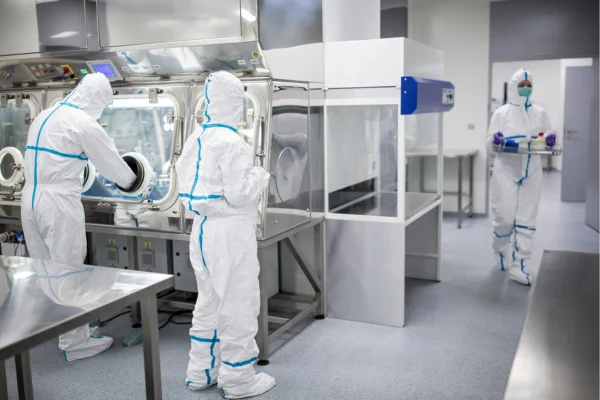
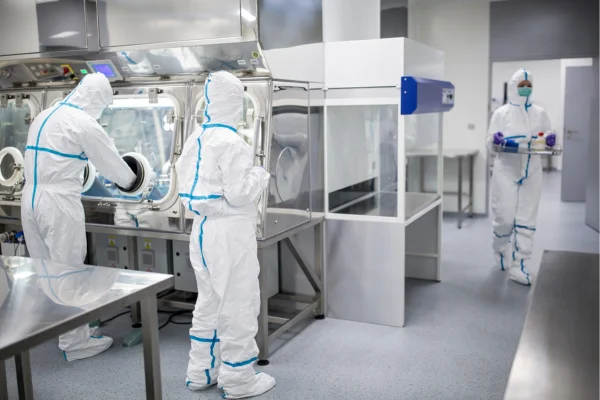
Process monitoring is another critical area. During manufacturing, microbial control measures help verify that production conditions remain suitable and that contamination risks are minimized. Environmental monitoring, equipment management, and process controls work together to maintain a controlled manufacturing environment.
Final product testing provides additional assurance by confirming that products meet established microbiological specifications before release. These tests are tailored to product characteristics, regulatory expectations, and manufacturing processes.
Developing Effective Microbiological Testing Methods
Reliable microbiological quality control depends on well-established analytical methods. Testing procedures need to be accurate, reproducible, and suitable for the specific product type.
Method development and validation are important steps in creating a robust testing framework. Analytical methods should demonstrate appropriate performance characteristics, including accuracy, precision, specificity, and reliability. When transferring methods between facilities or production stages, verification and validation activities help ensure consistent results.
For complex biological products, microbiological analysis may involve multiple testing approaches depending on the product requirements. These may include microbial identification, bioburden testing, sterility testing, microbial limit testing, and other specialized assessments.
A comprehensive quality control platform should also support ongoing improvement of analytical capabilities as new technologies and regulatory expectations evolve.
Integrating Microbiological Quality Control into GMP Systems
A successful microbiological quality control strategy should be closely connected with a broader GMP quality management system. Rather than treating microbiological testing as an isolated laboratory activity, manufacturers need to integrate quality controls across the entire product lifecycle.
Documentation and data integrity are essential parts of this process. Standard operating procedures, testing records, equipment qualification documents, and analytical reports provide traceability and support regulatory compliance.
Personnel training is equally important. Laboratory teams need strong technical knowledge and familiarity with current GMP requirements to perform testing accurately and interpret results effectively.
In addition, collaboration between quality control, manufacturing, and quality assurance teams helps create a coordinated approach to identifying risks and improving processes.
Addressing Common Challenges in Microbiological Quality Control
Many organizations face challenges when establishing or improving microbiological quality control systems. One common concern is ensuring that testing methods remain suitable as products move from early development to commercial manufacturing.
A method that works effectively during research stages may require additional evaluation when production scale increases. Changes in-process conditions, equipment, or product formulations can influence microbiological risk profiles and require updated control strategies.
Another challenge is balancing testing requirements with operational efficiency. Excessive testing without a clear risk-based approach may increase complexity, while insufficient testing may create quality risks. A scientifically justified strategy helps determine appropriate testing frequency, sample selection, and acceptance criteria.
Regulatory expectations also continue to evolve. Companies need flexible quality systems that can adapt to new guidelines while maintaining consistent product quality.
Building a Future-Ready Microbiological Quality Control Framework
An effective microbiological quality control strategy combines scientific expertise, advanced analytical capabilities, and strong quality management practices. By establishing clear testing procedures, maintaining reliable documentation, and continuously improving analytical methods, organizations can better manage microbiological risks throughout development and manufacturing.
For biologics manufacturers, choosing a partner with comprehensive quality control capabilities can simplify project management and support regulatory progress. A complete platform should cover areas such as analytical method transfer, verification and validation, microbial testing, raw material evaluation, release testing, and stability studies.
Conclusion
Building a robust microbiological quality control strategy requires a systematic approach that connects testing methods, manufacturing processes, and regulatory requirements. From early development to commercial production, effective microbial control helps ensure product consistency and supports successful advancement of biologics.
With extensive experience in microbial expression systems and integrated quality control services, Yaohai Bio-Pharma provides comprehensive quality solutions covering analytical methods, microbiological testing, release testing, and stability studies to support biopharmaceutical development and manufacturing needs. By combining technical expertise with GMP-aligned quality systems, Yaohai Bio-Pharma helps customers build reliable quality strategies for complex biological products.