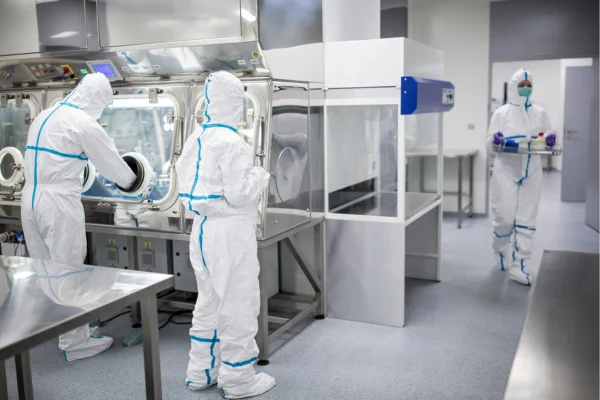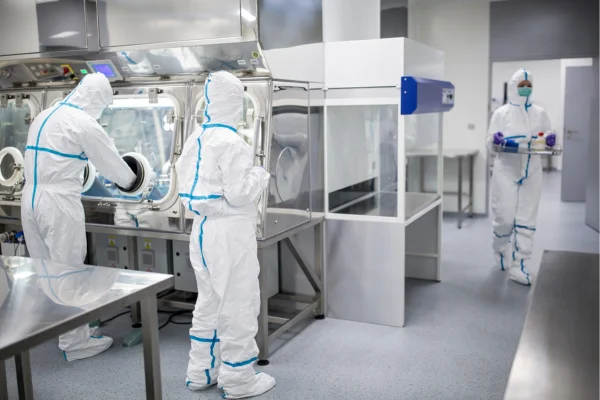
In the pharmaceutical industry, quality is not only a regulatory requirement but also a foundation for ensuring product safety, consistency, and reliability. Every stage of drug development and manufacturing involves strict evaluation to confirm that products meet predefined standards. This is why pharma industry quality control plays such an important role in maintaining compliance, reducing risks, and supporting successful product delivery.
As pharmaceutical products become increasingly complex, especially in areas such as biologics, recombinant proteins, vaccines, and advanced therapies, companies need comprehensive quality control systems that can manage various testing requirements throughout the product lifecycle. A well-established quality control platform helps ensure that every batch meets specifications before reaching clinical or commercial use.

What Is Quality Control in the Pharma Industry?
Quality control in the pharmaceutical industry refers to a series of scientific procedures used to test, verify, and monitor the quality of raw materials, intermediate products, drug substances, and final drug products. It focuses on analytical testing and data evaluation to confirm that products meet established quality standards.
Unlike general manufacturing inspections, pharmaceutical quality control requires highly precise methods because even small variations in composition, purity, stability, or biological activity can affect product performance. Quality control teams use validated analytical methods to evaluate critical quality attributes and identify potential issues before products move forward.
A complete quality control system typically includes raw material testing, in-process testing, release testing, analytical method validation, reference standard testing, and stability studies. These activities provide scientific evidence that pharmaceutical products remain safe, effective, and consistent.
Why Is Quality Control Essential for Pharmaceutical Manufacturing?
Ensuring Product Safety and Consistency
Patient safety is the primary reason quality control is critical in pharmaceutical manufacturing. Drugs must maintain consistent quality from one batch to another, regardless of production scale or manufacturing conditions.
Quality control testing helps detect impurities, contamination, variations in product characteristics, and other potential risks. Through continuous monitoring and evaluation, manufacturers can identify problems early and take corrective actions before products are released.
For biological products, quality control becomes even more important because biological systems can be influenced by multiple factors during development and production. Accurate testing methods help confirm product identity, purity, potency, and stability.
Supporting Regulatory Compliance
Pharmaceutical companies must meet strict regulatory expectations from global authorities. Regulatory agencies require comprehensive documentation and reliable testing data to demonstrate that products are manufactured according to approved standards.
A strong quality control system supports regulatory submissions by providing essential analytical data and ensuring that manufacturing processes remain within defined specifications. It also helps companies prepare for regulatory inspections by maintaining traceable records and standardized procedures.
For organizations working on global development programs, having a quality control platform aligned with international requirements can improve efficiency and reduce potential compliance challenges.
Improving Manufacturing Reliability
Quality control is not limited to final product testing. It also plays an important role in monitoring manufacturing processes and improving production reliability.
Through in-process controls and analytical evaluation, quality teams can identify process variations and understand their impact on product quality. This allows manufacturers to optimize processes, improve batch consistency, and reduce risks associated with production changes.
A proactive quality control approach helps create a more stable manufacturing environment and supports long-term product development.
What Are the Key Elements of Pharma Industry Quality Control?
A comprehensive pharmaceutical quality control system includes multiple interconnected activities.
Analytical method development and validation are essential for creating accurate and reliable testing procedures. These methods must demonstrate that they can consistently measure important product characteristics.
Raw material testing ensures that starting materials meet quality requirements before entering production. This step helps prevent quality issues from being introduced at an early-stage.
Release testing evaluates drug substances, intermediates, and final products to confirm that they meet established specifications before approval for use.
Stability studies examine how products perform over time under different storage conditions. These studies provide important information about shelf life and product quality maintenance.
Reference standard testing supports accurate analytical evaluation by ensuring that testing materials are properly characterized and calibrated.
Together, these elements create a complete quality control framework that supports pharmaceutical development and manufacturing.
How Can Companies Strengthen Their Quality Control Capabilities?
Building an effective quality control system requires advanced analytical technologies, experienced technical teams, and well defined quality processes.
Companies should focus on developing standardized testing procedures, maintaining regulatory awareness, and investing in appropriate analytical equipment. Collaboration between quality control, manufacturing, and quality assurance teams is also essential because quality depends on coordination across the entire production process.
For biologics and complex pharmaceutical products, choosing a partner with established quality control experience can help improve development efficiency and support compliance throughout the product lifecycle.
How Yaohai Bio-Pharma Supports Pharmaceutical Quality Control
A reliable quality control platform provides the foundation for consistent pharmaceutical development and manufacturing. By integrating advanced analytical testing capabilities with GMP-based quality systems, companies can better manage product quality requirements at every stage.
Yaohai Bio-Pharma provides comprehensive quality control services covering analytical method transfer, verification and validation, microbial strain testing, raw material testing, release testing, reference standard testing, and stability studies. Its quality control team works closely with manufacturing and quality assurance teams to support consistent and reliable product quality throughout the development process.
Conclusion
Quality control is one of the most important components of the pharma industry because it directly influences product safety, regulatory compliance, and manufacturing reliability. As pharmaceutical innovation continues to expand, especially in complex biologics and advanced therapies, robust quality control systems will become increasingly important.
With comprehensive testing capabilities, GMP focused processes, and experience supporting diverse pharmaceutical projects, Yaohai Bio-Pharma helps companies establish reliable quality control strategies that support the development and delivery of high-quality pharmaceutical products.