In the ever-advancing field of oncology, the quest for precision therapies has led researchers toward a sophisticated biological architecture: Virus-Like Particles (VLPs). As a next-generation technology, VLP vaccine platforms are redefining how we approach cancer immunotherapy. By mimicking the structure of native viruses without containing any infectious genetic material, VLPs offer an exceptionally safe and potent method for training the immune system to recognize and destroy malignant cells.
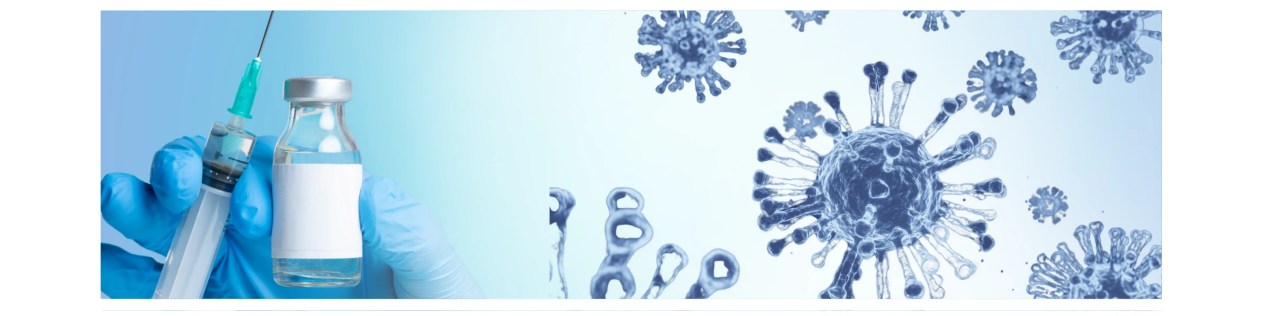
As we look toward the future of vaccine manufacturing, the integration of VLP platforms into oncology research stands as one of the most promising avenues for developing both prophylactic and therapeutic cancer treatments.
The Structural Advantage of VLP Platforms
The efficacy of a VLP vaccine in oncology stems from its unique nanostructure. Typically ranging from 20 to 200 nanometers in size, these particles are highly organized, repetitive protein shells that “look” like a virus to the human immune system. This mimicry is crucial because the body is naturally primed to react vigorously to viral structures.
In oncology research, this platform provides several distinct advantages:
- Enhanced Antigen Presentation: VLPs can display tumor-associated antigens (TAAs) or neoantigens in a dense, repetitive array. This multivalent display triggers a much stronger B-cell and T-cell response compared to soluble protein fragments.
- Direct Lymphatic Targeting: Due to their optimal size, VLPs drain efficiently into the lymphatic system, where they are captured by dendritic cells. This leads to superior “cross-presentation,” a process vital for activating the cytotoxic T-lymphocytes (CD8+ T cells) that are the primary “soldiers” in the fight against tumors.
- Modular Versatility: Modern VLP platforms are modular. Researchers can genetically or chemically “decorate” the surface of a single VLP with multiple different antigens. This allows for the creation of polyvalent vaccines that can target various facets of a heterogeneous tumor simultaneously, reducing the likelihood of cancer “escape.”
VLP Vaccines: From Prevention to Personalized Therapy
The historical success of VLP technology is already well-established through preventive vaccines, most notably the Human Papillomavirus (HPV) vaccine, which has drastically reduced the incidence of cervical cancer. However, the future outlook for oncology lies in therapeutic applications.
Ongoing clinical research is exploring “personalized” VLP vaccines. In this model, a patient’s tumor is sequenced to identify unique neoantigens. These specific genetic markers are then expressed on a VLP scaffold to create a bespoke vaccine tailored to that individual’s cancer. Unlike traditional chemotherapy, which attacks both healthy and cancerous cells, a VLP-based approach directs the immune system with surgical precision, potentially minimizing side effects while maximizing the anti-tumor effect.
Addressing the Complexity of Vaccine Manufacturing
Despite their potential, the path from oncology research to commercial availability is paved with technical hurdles. Producing a VLP vaccine requires a high degree of specialized expertise in microbial expression and protein folding. Because VLPs must self-assemble from individual protein subunits, the “recipe” for fermentation and purification must be perfect.
In a large-scale vaccine manufacturing environment, ensuring that billions of protein subunits correctly assemble into uniform, stable particles is a significant challenge. Factors such as host cell selection (typically E. coli or yeast), temperature control, and high-purity downstream processing are all critical variables. Any deviation can result in misfolded proteins or aggregated particles that are not only ineffective but could potentially trigger unwanted immune reactions.
Driving Innovation with Yaohai Bio-Pharma
At Yaohai Bio-Pharma, we believe that the future of oncology is being written in the language of advanced biologics. As a premier microbial CDMO, we have positioned ourselves at the center of this revolution, providing the specialized infrastructure needed to bring complex VLP platforms to life.
We recognize that for oncology researchers, the transition from a laboratory concept to a clinical-grade product is a high-stakes journey. To support this, we have developed an integrated “DNA-to-Commercial” service model specifically optimized for VLP and recombinant vaccine production. Our expertise in microbial expression allows us to engineer host strains—including Pichia pastoris and Saccharomyces cerevisiae—that are uniquely suited for the high-yield production of VLP subunits.
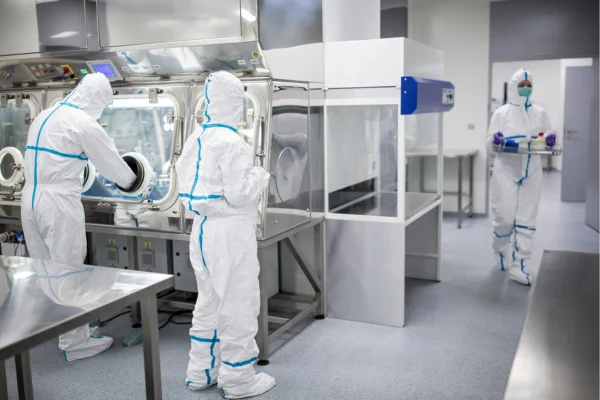
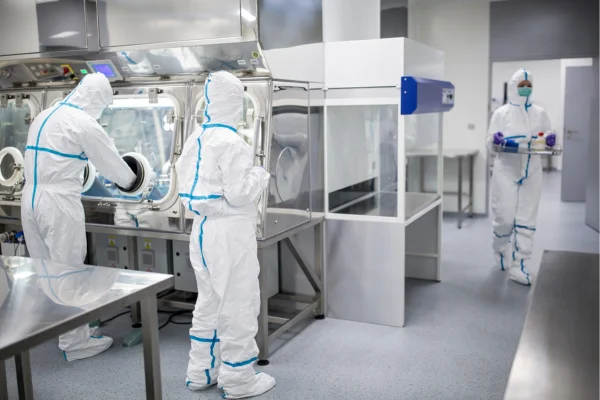
When you partner with us, you gain access to our state-of-the-art 20,000 m² cGMP production base. We utilize high-pressure chromatography and advanced hollow fiber systems to ensure the highest levels of purity and structural integrity for every batch of VLP vaccine we manufacture. Our quality control systems are designed to meet the rigorous standards of global regulatory bodies like the FDA and EMA, ensuring that your research is backed by data that stands up to international scrutiny.
Furthermore, we understand that stability and delivery are paramount in oncology. Our aseptic preparation workshops are capable of producing various modalities, including lyophilized powder injections, which enhance the shelf life and ease of distribution for VLP-based therapies.
At Yaohai Bio-Pharma, we are more than just a manufacturer; we are a strategic collaborator in the fight against cancer. By combining our deep technical knowledge of microbial systems with a commitment to quality and scale, we help our partners navigate the complexities of vaccine manufacturing. Together, we can transform the future of oncology research into the reality of life-saving medicine.