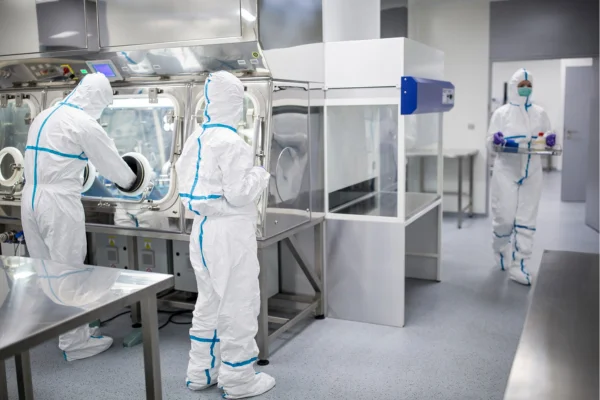
Developing a biologic product requires more than laboratory research. Between early discovery and clinical use, manufacturers need controlled environments, qualified processes, and careful quality management. A GMP manufacturing facility connects scientific development with regulated production by managing materials, equipment, personnel, and documentation in a structured way.
For biologics companies, understanding what happens inside such facilities helps evaluate outsourcing partners and project plans. Different stages, from raw material preparation to final testing, require coordinated operations. A clear view of these activities can help companies make better decisions during development and manufacturing.
From Process Development to Manufacturing Scale-Up
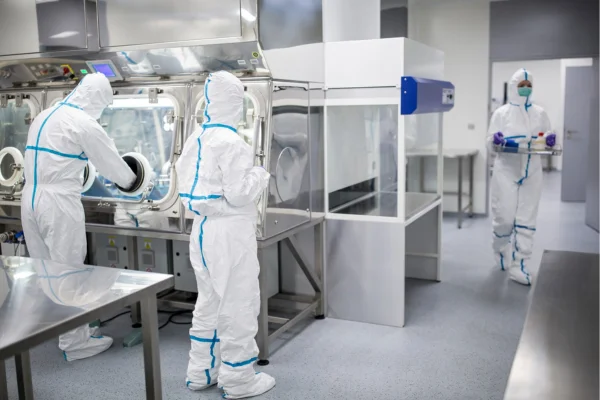
A GMP facility is designed around controlled production activities. It includes specialized areas for manufacturing operations, quality testing, material management, and process monitoring. Each area follows defined procedures to reduce risks caused by environmental changes or operational differences.
The GMP manufacturing process involves multiple connected steps rather than a single production activity. Teams need to manage documentation, equipment status, personnel training, and process records throughout production. These elements work together to support consistent manufacturing practices.
In biologics production, facilities often need to handle complex materials such as recombinant proteins, peptides, and other biological molecules. The manufacturing approach depends on product characteristics, expression systems, and development requirements. Process planning starts before production begins.
Facility design also considers the movement of materials and people. Separate production zones, controlled environments, and monitoring systems help organize daily operations. This structure supports efficient workflows while following regulatory expectations.
Exploring Production Activities Inside the Facility
Inside a GMP facility, production usually begins with preparation activities. Teams review approved materials, check equipment conditions, and confirm that production requirements match established procedures. These steps create a clear foundation before manufacturing starts.
For microbial-based biologics, fermentation is an important stage. Our platform focuses on microbial expression systems, including E. coli and yeast technologies, to support biologics development. Fermentation conditions such as temperature, nutrients, and process parameters require careful control during operation.
After fermentation, downstream purification removes unwanted components and prepares the target molecule for further processing. Purification methods depend on the product type and development stage. Analytical testing is used throughout the process to evaluate product characteristics.
Yaohai Bio-Pharma provides microbial CRDMO services that cover process development and GMP production support. Our capabilities include microbial fermentation and purification platforms with production scales from 50L-100L, 200L, 500L, 1000L, and 2000L for different project requirements. These services support customers from development stages toward clinical sample preparation and production needs.
Managing Quality Control and Compliance
Quality management is a central part of GMP manufacturing. Facilities need systems for sample testing, documentation review, deviation handling, and process evaluation. These activities help project teams understand production status, maintain traceable records, and identify issues that may require further technical assessment or follow-up investigation.
Analytical methods are developed according to product features. Testing may include evaluations of purity, identity, and other quality attributes. Data collected during manufacturing helps teams review whether processes are operating according to planned requirements and whether additional investigation, adjustment, or process review is needed during different production stages.
A GMP facility also depends on trained employees. Operators, quality teams, and technical specialists follow established procedures during daily work. Regular training helps staff understand responsibilities related to production activities and documentation practices, while also supporting more consistent execution across different teams and project phases.
For companies working on biologics development, regulatory expectations are an important consideration. A suitable manufacturing partner needs experience with quality systems and project management. This is especially important when projects move from laboratory research into clinical stages, where documentation, process control, and communication requirements often become more detailed.
Connecting Development With Commercial Production
A GMP facility is not only a production site. It is also part of a wider development pathway. Many biologics projects require support during process optimization, scale-up studies, analytical development, and manufacturing preparation.
Yaohai Bio-Pharma works with biotech companies through an integrated CRDMO model, supporting services from gene engineering strain construction and process development to GMP manufacturing and quality research. Our approach focuses on connecting different project stages with coordinated technical support.
The transition from research to production often involves new challenges. Scale changes, process adjustments, and documentation requirements need careful planning. A facility with integrated capabilities can help companies organize these steps more effectively.
The GMP manufacturing process also requires communication between development and manufacturing teams. Clear information exchange allows technical teams to understand project goals, evaluate process conditions, and plan future activities.
Building a Reliable Manufacturing Path
A GMP manufacturing facility combines equipment, technical expertise, quality systems, and operational procedures. Understanding these internal activities helps biotech companies evaluate how manufacturing partners support product development.
From microbial expression and fermentation to purification and quality testing, each stage contributes to the overall manufacturing pathway. A structured facility environment provides the foundation for supporting biologics projects with different development requirements.
By offering integrated microbial CRDMO services, we help companies connect early research with manufacturing activities. Our focus remains on supporting biologics development through practical processes, technical experience, and organized project management.