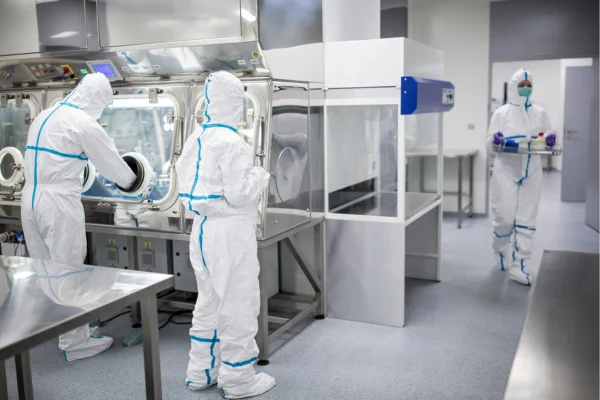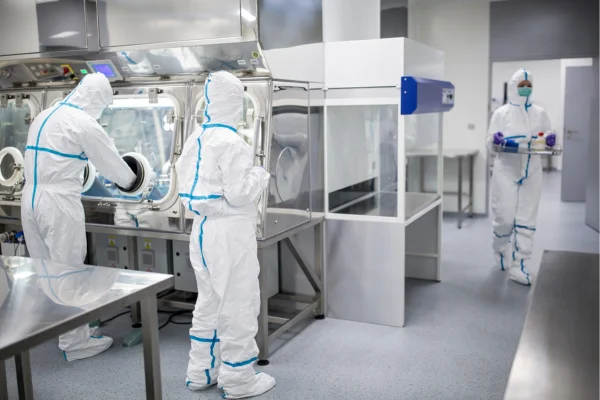
Microbial expression systems have become an important approach for producing recombinant proteins, peptides, enzymes, plasmids, and other biologics due to their scalability, relatively efficient production cycles, and established manufacturing processes. However, achieving high-yield and consistent product quality requires more than selecting a suitable host organism. Effective microbial strain development is a critical foundation that determines expression performance, process stability, and manufacturing feasibility.
From genetic design to fermentation optimization, every stage of strain development influences the final production outcome. For organizations developing biologics, understanding the key factors behind successful microbial expression can help reduce development risks and improve process efficiency.

1.Selecting the Right Host System for Target Protein Expression
The first consideration in microbial strain development is choosing an appropriate expression host. Different microbial systems offer unique advantages depending on the characteristics of the target product.
Escherichia coli is widely used for recombinant protein production because of its well-understood genetics, rapid growth rate, and extensive manufacturing experience. Yeast expression systems are also frequently applied when specific protein folding capabilities or secretion functions are required.
The choice of host affects several important factors, including protein expression level, solubility, post-translational modifications, impurity profiles, and downstream purification requirements. A suitable host system should not only produce high levels of the target molecule but also support stable production throughout the development and manufacturing process.
During microbial strain development, researchers typically evaluate genetic compatibility, metabolic burden, plasmid stability, and expression characteristics to identify a strain that balances productivity and robustness.
2.Optimizing Genetic Design and Expression Elements
A high-performing microbial strain depends heavily on effective genetic engineering strategies. The design of expression constructs directly impacts how efficiently microorganisms produce the target biologic.
Key elements such as codon optimization, promoter selection, vector construction, and gene sequence design need careful evaluation. Codon optimization helps align the target gene sequence with the preferred codon usage of the selected host, potentially improving translation efficiency and protein expression.
In addition, recombinant plasmid construction and expression cassette optimization influence strain stability and productivity. Poorly designed genetic elements may result in low expression levels, unstable inheritance, or increased stress on host cells.
A systematic approach to genetic optimization allows developers to create strains with improved expression performance while maintaining long term stability. Yaohai Bio-Pharma provides services covering codon optimization, recombinant plasmid construction, expression strain construction, and stable high expression strain screening based on specific gene and amino acid sequences.
3.Improving Strain Stability and Production Consistency
High-yield production is not only about achieving strong initial expression. A commercially viable microbial strain must maintain consistent performance during repeated cultivation, scale-up processes, and manufacturing batches.
Strain stability is influenced by genetic integrity, plasmid maintenance, growth characteristics, and storage conditions. Establishing well-controlled cell banks is essential for ensuring reproducible production.
Primary Cell Bank, Master Cell Bank, and Working Cell Bank systems help maintain traceability and provide standardized starting materials for future manufacturing activities. Stability studies during storage and passage evaluation can further confirm that the strain maintains expected characteristics over time.
For biologics production, consistent quality is equally important as production quantity. A stable microbial strain supports predictable fermentation performance and helps create a reliable foundation for downstream process development.
4.Connecting Strain Development with Fermentation Process Optimization
Microbial strain development and fermentation process development are closely connected. A strain with high expression potential still requires suitable cultivation conditions to achieve optimal productivity.
Parameters such as nutrient composition, temperature, pH, dissolved oxygen, induction conditions, and fermentation duration can significantly influence product yield and quality. Therefore, strain selection and process optimization should be considered together rather than as separate stages.
Modern development approaches often combine experimental design strategies with process characterization to identify critical parameters and establish robust production conditions. This approach supports smoother scale-up from laboratory studies to pilot and manufacturing levels.
Yaohai Bio-Pharma applies quality by design principles and design of experiments methods throughout microbial process development, supporting optimization from laboratory-scale to larger fermentation systems.
5.Ensuring Regulatory Readiness Through Quality Control
For biologics intended for clinical or commercial applications, microbial strain development must consider regulatory expectations from the beginning. A well-designed strain development process should include appropriate documentation, testing strategies, and quality control procedures.
Important quality considerations include strain identification, genetic stability testing, purity evaluation, cell bank characterization, and analytical method development. These elements provide essential data for regulatory submissions and future manufacturing activities.
Early integration of quality requirements can reduce potential delays during later development stages. It also supports smoother technology transfer and scale-up when moving from research environments to GMP manufacturing.
A comprehensive development platform that combines strain engineering, process development, analytical testing, and regulatory support can help create a more efficient pathway from early research to clinical production.
Conclusion: Building Reliable Biologics Production Through Advanced Microbial Strain Development
High-yield biologics production using microbial expression systems depends on multiple interconnected factors, including host selection, genetic optimization, strain stability, fermentation compatibility, and regulatory readiness. Microbial strain development serves as the foundation for achieving efficient, consistent, and scalable production.
As biologics pipelines continue to expand, organizations need development strategies that combine technical expertise with comprehensive process support. Yaohai Bio-Pharma focuses on microbial expression systems and provides integrated CMC development services covering strain construction, cell bank establishment, process optimization, and GMP manufacturing support.
We help advance biologics development by applying our experience in microbial strain development and process technologies to support reliable production solutions from early research through manufacturing stages.