Nanobody development has attracted increasing attention due to its unique molecular characteristics and broad potential applications in therapeutic discovery, diagnostics, and research. Compared with conventional antibodies, nanobodies are smaller, more stable, and capable of binding specific targets with high affinity. These features make them valuable platforms for developing next-generation biologics.
However, successful nanobody development depends on more than selecting a promising target or obtaining a binding molecule. Each stage, from discovery and sequence optimization to expression, purification, and manufacturing, requires careful decisions to ensure product quality, scalability, and future development potential. Choosing the right technical strategy and development partner can significantly influence the efficiency and reliability of the entire process.
Selecting the Right Nanobody Format and Development Strategy
The first key decision in nanobody development is defining the appropriate molecular format based on the intended application. Nanobodies, also known as single-domain antibodies or VHH antibodies, are compact antibody fragments derived from camelid heavy chain antibodies. Their small size, structural stability, and accessibility to challenging epitopes provide advantages in areas such as targeted therapy, diagnostics, and molecular research.
During early development, researchers need to consider important factors including target characteristics, binding requirements, biological activity, and intended application. A nanobody designed for therapeutic use may require different optimization strategies compared with one developed for diagnostic applications.
Another important consideration is whether the selected nanobody candidate has suitable properties for downstream development. Strong target binding alone is not sufficient. Characteristics such as solubility, stability, expression performance, and aggregation tendency also influence the feasibility of future production.
Optimizing Discovery and Screening Processes
Efficient discovery and screening are critical steps in nanobody development. A well-designed screening strategy helps identify candidates with desirable binding performance while reducing the time required for optimization.
Key decisions during this stage include selecting appropriate libraries, screening platforms, and evaluation methods. Researchers need to balance binding affinity with developability characteristics because candidates with excellent affinity may still face challenges during manufacturing or formulation.
Advanced analytical approaches can help evaluate candidate quality from multiple perspectives. Parameters such as binding specificity, thermal stability, expression yield, and structural integrity provide valuable information for selecting candidates with stronger development potential.
A systematic screening process also helps reduce risks during later stages, allowing teams to focus resources on candidates that are more suitable for process development and clinical advancement.
Building a Reliable Expression and Manufacturing Process
After selecting a suitable nanobody candidate, establishing a stable and scalable production process becomes a major consideration. Expression systems directly influence yield, consistency, and manufacturing efficiency.
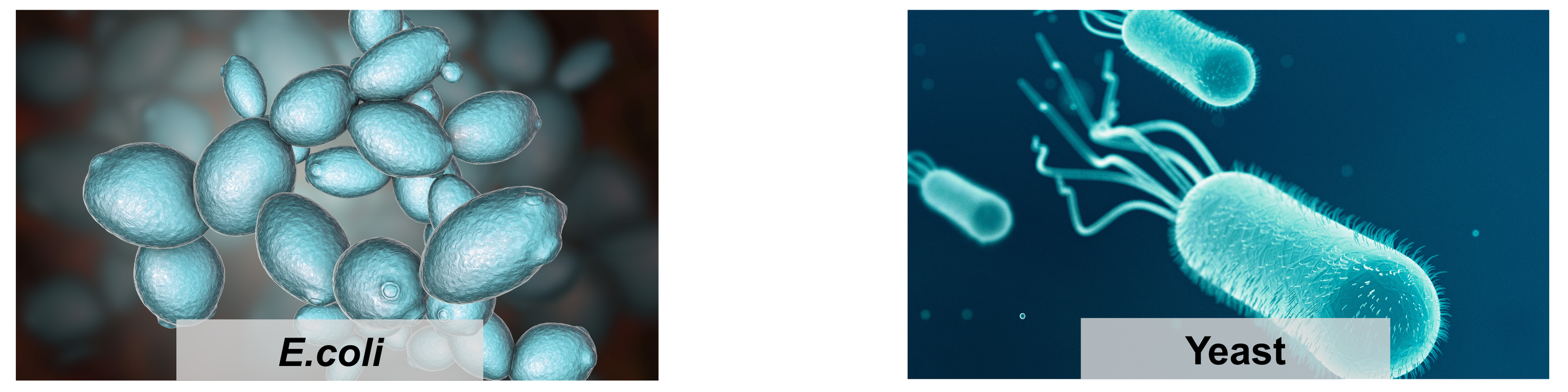
Microbial expression platforms, including Escherichia coli and yeast systems, are commonly used for nanobody production due to their advantages in scalability and process control. Yaohai Bio-Pharma provides an end-to-end nanobody CRDMO platform based on microbial expression systems, supporting development from research stages through commercialization.
A successful manufacturing strategy requires careful optimization of upstream and downstream processes. Upstream development focuses on improving expression performance, while downstream development ensures effective purification and product quality.
Important process decisions include selecting purification methods, establishing critical process parameters, and developing analytical methods to monitor product characteristics. Applying a quality-focused development approach helps create a more robust manufacturing process that can support future scale-up.
Ensuring Quality Control and Regulatory Readiness
Quality management is another essential factor in nanobody development. As biologic products move toward clinical and commercial applications, consistent quality and regulatory compliance become increasingly important.
A comprehensive quality strategy should include analytical method development, product characterization, impurity analysis, stability evaluation, and documentation preparation. These elements help demonstrate product safety, consistency, and performance throughout the development lifecycle.
Regulatory expectations should also be considered from the early-stages. Development strategies that incorporate regulatory requirements during process design can help minimize delays and improve the efficiency of future submissions.
Choosing an Experienced Development Partner
For many organizations, selecting a suitable development partner is one of the most important decisions in nanobody development. A capable partner should provide not only technical expertise but also integrated support across multiple development stages.
An ideal partner should have experience in molecular development, process optimization, analytical testing, GMP manufacturing, and regulatory support. This integrated capability helps maintain continuity between early research and later manufacturing activities.
Yaohai Bio-Pharma offers comprehensive nanobody development solutions covering microbial strain development, cell banking, upstream and downstream process development, formulation development, GMP manufacturing, analytical testing, and regulatory support. This full-lifecycle approach allows projects to progress through different development stages with consistent technical support.
Conclusion: Supporting Efficient Nanobody Development with Yaohai Bio-Pharma
Successful nanobody development requires thoughtful decisions at every stage, from candidate selection and optimization to process development and commercial manufacturing. A clear development strategy, reliable production platform, and strong quality system are essential for transforming promising nanobody candidates into practical solutions.
At Yaohai Bio-Pharma, we provide integrated nanobody CRDMO services supported by mature microbial expression platforms, including E. coli and yeast systems. We combine process development expertise, analytical capabilities, GMP manufacturing capacity, and regulatory support to help advance nanobody projects from early research to commercialization. With our end-to-end development approach and experienced technical team, we are committed to providing flexible and reliable solutions that support efficient nanobody development.