Sterility assurance is a fundamental requirement in pharmaceutical and biopharmaceutical manufacturing. Maintaining a sterile production environment and ensuring products are free from microbial contamination require a comprehensive quality control strategy. Among these measures, QC microbiology testing plays an essential role by providing scientific evidence that raw materials, manufacturing processes, and final products meet established quality standards.
As biological products become increasingly complex, manufacturers need reliable microbiological testing capabilities to identify potential contamination risks, support regulatory compliance, and maintain consistent product quality throughout the development and production lifecycle.

The Role of QC Microbiology Testing in Sterility Assurance
QC microbiology testing focuses on detecting, monitoring, and controlling microorganisms that may affect product safety and quality. Unlike physical or chemical testing, microbiological analysis evaluates biological risks that can be introduced from raw materials, equipment, personnel, or manufacturing environments.
A strong microbiological quality control system helps answer critical questions during production: Are raw materials suitable for use? Is the manufacturing environment properly controlled? Does the final product meet sterility requirements? By generating reliable testing data, QC microbiology supports informed quality decisions at different stages of the product lifecycle.
For biopharmaceutical products, microbiological control is particularly important because many products contain biological components that may be sensitive to contamination. Effective testing strategies help minimize risks while supporting the release of safe and consistent products.
Key QC Microbiology Tests for Sterility Assurance
Several microbiological tests contribute to a complete sterility assurance strategy. Each test provides specific information about microbial quality and contamination risks.
Sterility Testing
Sterility testing is one of the most important microbiological assessments for pharmaceutical products. It is designed to detect the presence of viable microorganisms in finished products under controlled laboratory conditions.
This testing provides confirmation that products manufactured for clinical or commercial use meet established sterility specifications. Reliable sterility testing requires validated methods, controlled laboratory environments, and experienced analysts to ensure accurate results.
Microbial Limit Testing
Microbial limit testing evaluates the quantity and type of microorganisms present in materials or products. It helps determine whether microbial levels remain within acceptable limits throughout manufacturing.
This type of testing is commonly applied to raw materials, process samples, and non sterile products where microbial control is still essential. Monitoring microbial levels helps identify contamination trends before they become significant quality concerns.
Endotoxin Testing
Bacterial endotoxins can create safety risks even when bacteria are no longer viable. Endotoxin testing helps detect substances released from bacterial cell walls and provides important information about potential contamination.
For injectable and biologic products, controlling endotoxin levels is especially important because even small amounts may affect product safety.
Environmental Monitoring
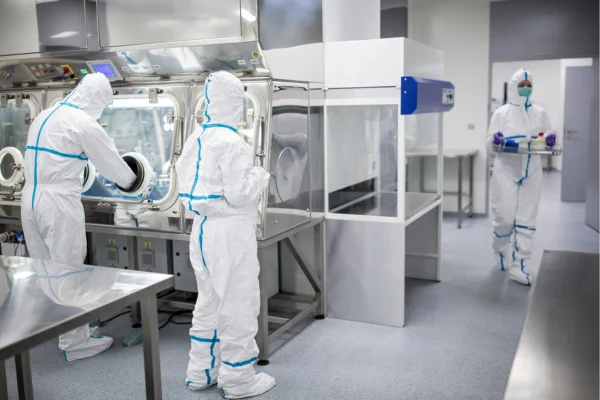
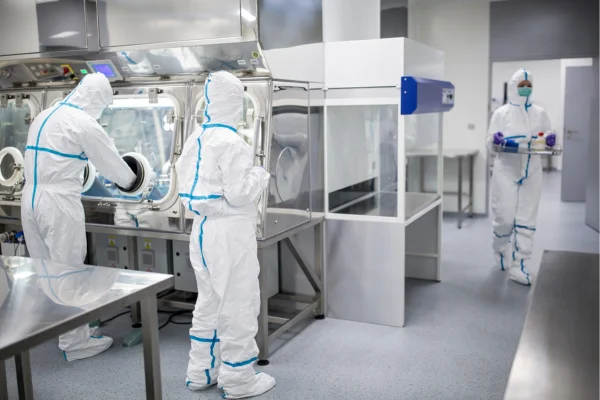
Environmental monitoring evaluates microbial conditions in manufacturing areas, including cleanrooms and controlled production environments. Regular monitoring helps verify that facility controls, cleaning procedures, and personnel practices are effective.
By tracking microbial trends over time, manufacturers can identify potential issues early and take corrective actions before product quality is affected.
How QC Microbiology Strengthens the Manufacturing Process
QC microbiology is not limited to final product testing. It supports quality management throughout the entire manufacturing process.
During early production stages, microbiological testing helps assess raw materials and microbial strains. During manufacturing, it supports in-process control by monitoring contamination risks and verifying that production conditions remain suitable. Before product release, microbiological analysis provides critical data for quality evaluation.
This integrated approach allows manufacturers to establish stronger process control and reduce the possibility of unexpected microbial contamination. A comprehensive QC system should work closely with manufacturing and quality assurance teams to ensure that testing results are properly interpreted and applied.
Challenges in QC Microbiology Testing
Although QC microbiology is essential, it also presents several challenges. Microbial contamination can occur from multiple sources, making prevention and detection complex. Testing methods must be carefully selected and validated according to product characteristics and regulatory expectations.
Another challenge is maintaining consistency across different testing stages. Laboratories need qualified personnel, appropriate equipment, standardized procedures, and effective documentation systems to ensure reliable results.
For biologics, additional considerations may include product complexity, microbial strain characteristics, and specific release requirements. A flexible QC microbiology platform can help address these challenges by providing suitable analytical methods and technical expertise.
Choosing a Reliable QC Microbiology Partner
When selecting a quality testing partner, several factors should be considered. Experience with biological products, understanding of regulatory requirements, analytical capabilities, and quality system maturity are all important elements.
A capable partner should provide more than individual testing services. It should offer a comprehensive quality control approach that includes method transfer, verification, validation, microbial testing, stability studies, and product release support.
Yaohai Bio-Pharma has established a GMP quality control platform covering microbiological, biochemical, and physicochemical testing capabilities. Its QC team works closely with manufacturing and quality assurance teams to support raw material testing, in-process control, stability studies, and product release testing for biological products.
Conclusion
QC microbiology testing is a critical component of sterility assurance, helping identify microbial risks, verify process control, and support the safe release of pharmaceutical and biopharmaceutical products. Through comprehensive testing strategies, validated analytical methods, and effective quality systems, manufacturers can maintain reliable product quality throughout the development and production process.
With extensive experience in microbiological quality control and GMP-based testing services, Yaohai Bio-Pharma provides integrated QC solutions designed to support the quality requirements of modern biologics development and manufacturing.