The search for effective biologic therapies increasingly involves targets with complex structures, limited accessibility, or unique biological functions. While conventional antibodies have transformed many therapeutic areas, some targets still require alternative molecular formats that offer greater flexibility and engineering potential. VHH antibodies have become an important option in this field because of their compact structure, strong stability, and ability to recognize challenging epitopes.
For biotechnology and pharmaceutical companies, successful VHH development requires more than generating a binding molecule. Researchers must consider target characteristics, expression performance, purification strategies, analytical evaluation, and future manufacturing requirements. A well-designed discovery and development pathway can help reduce technical uncertainty and accelerate the progression of promising candidates.
The Scientific Value of VHH Technology for Difficult Targets
VHH antibodies are single-domain antibody fragments derived from camelid heavy-chain antibodies. Unlike conventional antibodies composed of multiple domains, VHH molecules contain only one variable domain responsible for antigen recognition. This simplified structure provides unique opportunities for designing biologics with enhanced flexibility.
The smaller molecular size of VHH antibodies allows them to access certain binding sites that may be difficult for larger antibody formats to reach. Their compact architecture also contributes to strong structural stability, making them suitable for applications where molecular robustness is important.
These characteristics have expanded interest in VHH platforms across therapeutic research, including oncology, infectious diseases, autoimmune disorders, and diagnostic development. Researchers can further modify VHH molecules into different formats, such as multivalent or fusion constructs, to meet specific development objectives.
However, the advantages of VHH technology can only be fully realized through carefully designed discovery strategies and reliable development workflows.
Key Challenges in VHH Domain Antibody Discovery
Identifying a suitable antibody candidate for a challenging therapeutic target requires a comprehensive understanding of both molecular properties and development goals. Some targets may have complex conformations, low accessibility, or specific functional requirements that make candidate selection more demanding.
During discovery, researchers need to evaluate multiple characteristics, including binding affinity, specificity, stability, and expression capability. A molecule with strong target recognition must also demonstrate potential for further optimization and manufacturing.
The development of a vhh domain antibody candidate requires appropriate expression platforms and characterization methods. Early assessment of expression behavior can provide valuable information about production feasibility and help identify possible challenges before entering advanced development stages.
By integrating discovery considerations with downstream manufacturing requirements, companies can create a more efficient pathway from candidate identification to clinical preparation.
The Importance of Expression Platforms in VHH Development
Expression technology plays a central role in determining the efficiency and scalability of VHH production. Different molecules may respond differently to expression environments, making platform selection an important factor during development.
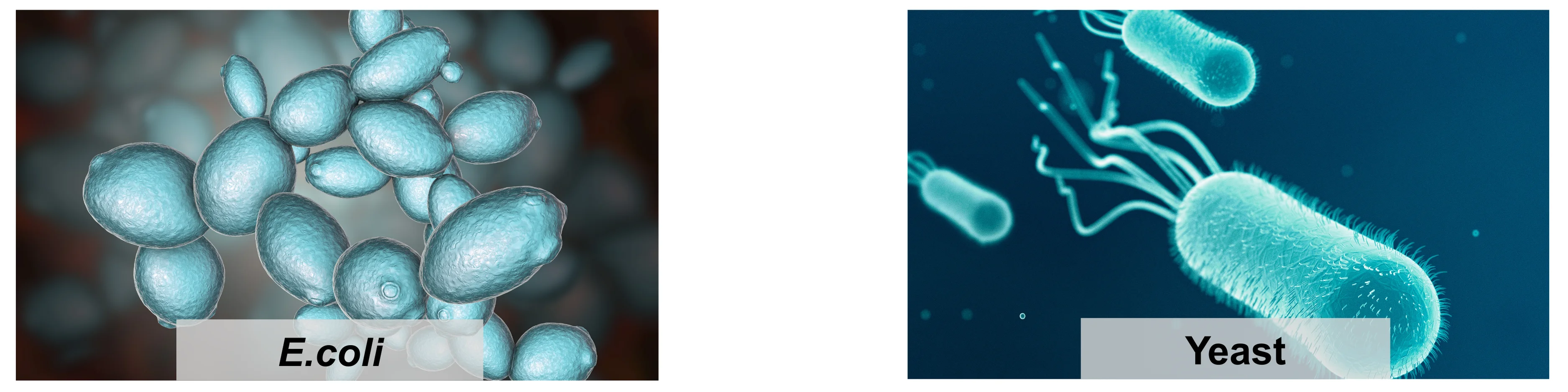
Microbial expression systems are widely used for recombinant antibody fragment production because they offer established workflows and scalable production potential. Depending on project requirements, developers may select suitable hosts such as E. coli or Pichia pastoris to achieve desired expression performance.
A flexible expression strategy can help address differences between individual candidates. Factors such as yield, protein folding, purification compatibility, and quality attributes should all be considered when designing the production process.
For companies developing VHH-based therapeutics, selecting a partner with multiple expression capabilities can provide greater adaptability throughout the development lifecycle.
Process Development and Quality Evaluation for VHH Candidates
After candidate discovery, process development becomes essential for establishing consistent and reliable production methods. Optimization of fermentation, purification, and analytical procedures helps ensure that VHH candidates maintain expected quality characteristics.
Quality evaluation provides important information about product identity, purity, and stability. Analytical techniques such as SDS-PAGE, SEC-HPLC, RP-HPLC, and CE-SDS can support detailed characterization and help establish appropriate quality standards during development.
Purification strategy is another important consideration because different molecules may require customized approaches. Combining suitable purification methods can improve product quality while supporting efficient manufacturing processes.
A comprehensive development workflow allows companies to better understand candidate performance and prepare for future clinical or commercial requirements.
The Path from VHH Discovery to Scalable Manufacturing
The transition from early discovery to manufacturing requires coordination between multiple technical stages. Without effective integration, companies may face challenges during technology transfer, process adaptation, and scale-up activities.
An experienced development partner can provide support across different stages, including strain construction, process optimization, analytical method development, and GMP manufacturing preparation. This integrated approach helps maintain consistency while reducing delays between development milestones.
Scalable production capability is particularly important for biologic programs moving toward clinical applications. Flexible manufacturing systems allow projects to adjust production volumes according to development needs, from early research materials to larger-scale requirements.
A Strategic Approach to Challenging Therapeutic Target Development
The growing complexity of biologic discovery requires development strategies that combine scientific innovation with manufacturing practicality. VHH platforms provide valuable opportunities for addressing difficult targets, but successful outcomes depend on reliable technical support throughout the development process.
We provide integrated nanobody development services based on microbial expression systems, supporting projects from expression platform selection and process development to analytical evaluation and manufacturing preparation. Our capabilities include flexible expression options using E. coli and Pichia pastoris systems, scalable production support, and comprehensive quality analysis.
With expertise in microbial expression technologies and biologics development, Yaohai Bio-Pharma offers customized CRDMO solutions for global partners developing VHH-based biologics. We combine technical experience, scalable manufacturing resources, and lifecycle support to help transform challenging therapeutic targets into promising biologic candidates.
Contact us to discuss your VHH discovery and development needs and explore how our integrated services can support your next biologics program.