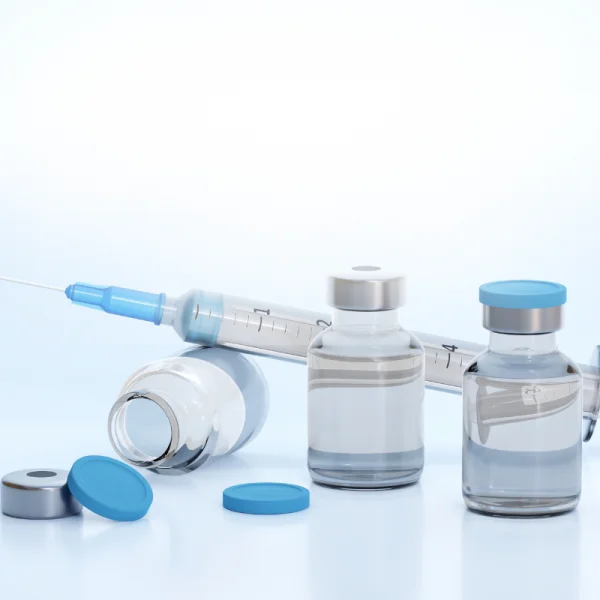
The development of mRNA vaccines has introduced new possibilities in modern medicine, but maintaining molecular stability remains one of the most important challenges throughout the product lifecycle. Unlike traditional vaccine platforms, mRNA molecules are naturally sensitive to environmental conditions such as temperature changes, enzymatic degradation, and formulation factors. Therefore, every stage from production to storage requires carefully designed strategies to preserve product quality and biological activity.
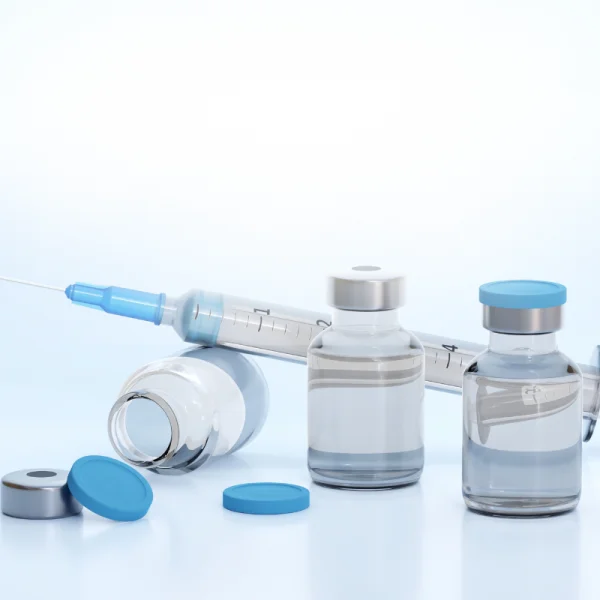
For biotechnology and pharmaceutical companies, ensuring stability is not only a scientific challenge but also a manufacturing consideration. Reliable processes, suitable analytical methods, and optimized formulation strategies are essential for creating vaccine products that meet quality expectations and support clinical and commercial applications.
The Main Factors Affecting mRNA Vaccine Stability
mRNA molecules are complex biological materials that require precise control during development and manufacturing. Their stability can be influenced by several factors, including molecular structure, purification quality, formulation composition, and storage conditions.
One major challenge is protecting mRNA from degradation caused by enzymes such as ribonucleases (RNases). Even small amounts of contamination during handling or processing can affect molecular integrity. Therefore, manufacturing environments must maintain strict control measures to protect product quality.
Temperature is another critical factor. Changes in storage conditions may influence mRNA structure and reduce its effectiveness if not properly managed. This makes temperature control and stability testing essential parts of vaccine development programs.
In addition, formulation components play an important role in maintaining stability. Delivery systems and excipients must be carefully selected to protect mRNA molecules and support their intended biological function.
The Role of Process Control in mRNA Vaccine Production
Maintaining stability begins with a well-designed manufacturing process. Each production stage, including template preparation, transcription, purification, and formulation, can influence the final quality of an mRNA vaccine product.
During development, process parameters must be carefully optimized to ensure consistent product characteristics. Factors such as reaction conditions, purification efficiency, and impurity removal directly affect mRNA integrity and overall product performance.
Analytical evaluation is also essential for monitoring critical quality attributes. Testing methods help assess parameters such as mRNA identity, purity, integrity, and concentration, providing important information for process optimization and quality management.
A robust mRNA vaccine production strategy requires integration between scientific development and manufacturing expertise. By establishing controlled processes and reliable analytical systems, developers can improve consistency and reduce risks during scale-up.
Formulation Strategies for Long-Term mRNA Protection
Formulation design is one of the key approaches used to improve mRNA stability. Because mRNA molecules are sensitive biological materials, suitable formulation systems are needed to protect them from degradation and maintain their functionality.
Lipid-based delivery systems are commonly studied in mRNA vaccine development because they can help protect mRNA molecules and facilitate delivery into target cells. The composition and characteristics of these systems must be carefully evaluated to achieve appropriate performance.
Other formulation factors, including buffer systems, stabilizing components, and storage conditions, also influence product stability. A successful formulation approach requires comprehensive testing to determine how different conditions affect product quality over time.
For vaccine developers, understanding the relationship between formulation design and manufacturing processes is essential. A well-established formulation strategy can support improved stability and provide a stronger foundation for future development.
Quality Evaluation During Manufacturing and Storage
Stability assessment is a continuous process that extends from early development through production and storage. Comprehensive testing helps determine whether a vaccine product maintains its intended characteristics under different conditions.
Analytical methods are used to monitor important quality attributes, including mRNA integrity, purity, structural characteristics, and potential degradation products. These evaluations provide essential data for establishing storage requirements and shelf-life expectations.
Manufacturing consistency is equally important because variations between batches may influence stability performance. Standardized processes, controlled production environments, and effective quality management systems help maintain reliable outcomes.
For companies developing advanced vaccine products, access to professional quality research capabilities can improve confidence during regulatory preparation and clinical development.
The Importance of Scalable and Compliant Vaccine Development Platforms
As mRNA vaccine technologies continue to evolve, companies require development partners that can support both innovation and manufacturing requirements. A successful platform should provide flexibility during early research while maintaining the ability to support larger-scale production needs.
Integrated CRDMO services can help simplify the development pathway by connecting process research, manufacturing preparation, analytical testing, and quality management. This approach reduces the challenges associated with transferring processes between different stages.
We provide support for recombinant vaccine development through integrated microbial expression and biologics expertise. Our services cover areas such as process development, analytical method establishment, quality research, and GMP-compliant manufacturing support.
By combining technical experience with structured development systems, we help partners create more reliable pathways for advancing vaccine programs.
A Reliable Approach to Stable mRNA Vaccine Development
Maintaining mRNA vaccine stability requires coordinated control across molecular design, manufacturing processes, formulation development, and storage management. Each stage contributes to preserving product quality and ensuring that vaccine candidates remain suitable for further development.
We understand that vaccine developers need more than production capacity. They require technical expertise, regulatory awareness, and flexible support throughout the development lifecycle. Through integrated solutions, we help partners address stability challenges while improving efficiency and process reliability.
With expertise in recombinant vaccine development, biological process optimization, and full-lifecycle CRDMO services, we provide customized support for global partners. We combine professional development capabilities, GMP-compliant manufacturing resources, and quality management systems to help accelerate innovative vaccine programs with Yaohai Bio-Pharma.
Contact us to explore customized vaccine development solutions and discuss how our integrated capabilities can support your next project.