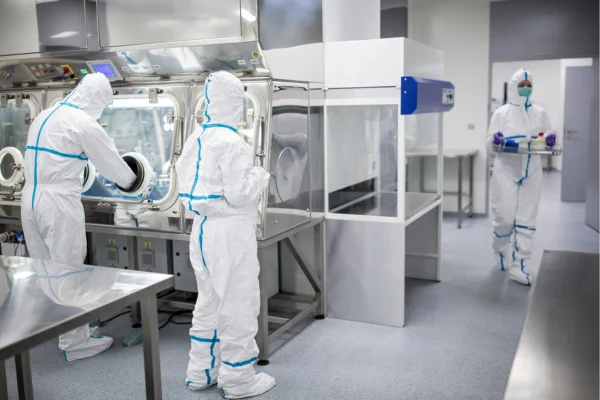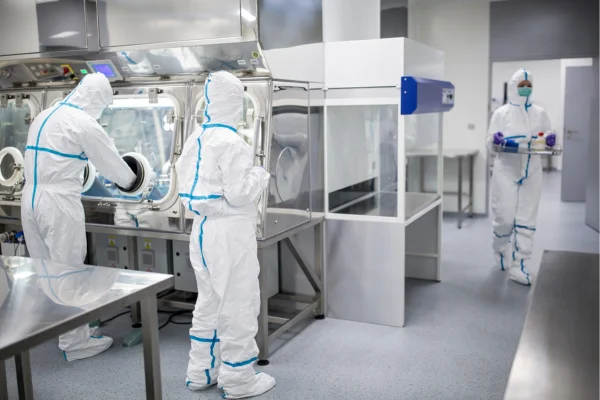
In biopharmaceutical manufacturing, upstream process development determines how efficiently biological systems produce the target product. Among the key factors affecting upstream performance, cell culture optimization plays a critical role in improving productivity, consistency, and scalability. A well-designed cell culture process helps maintain healthy cell growth, maximize product expression, and create a reliable foundation for later manufacturing stages.
Upstream process development involves multiple scientific considerations, including cell line selection, media optimization, culture conditions, feeding strategies, and process control. Each parameter can influence product yield and quality attributes. Without systematic optimization, even promising biological candidates may face challenges during scale-up or manufacturing transition.
For companies developing recombinant proteins, vaccines, enzymes, or other biological products, optimizing cell culture conditions early can reduce process risks and support smoother progression from research to production.

How Cell Culture Conditions Influence Upstream Performance
Cell culture is a complex biological environment where small changes in conditions can significantly affect cell behavior. Parameters such as nutrient availability, temperature, pH, dissolved oxygen, agitation, and feeding strategies directly impact cell growth and productivity.
One of the primary goals of cell culture optimization is to create an environment where cells can maintain high viability and stable expression levels. For example, insufficient nutrients may limit cell growth, while excessive accumulation of metabolic waste products may reduce productivity. By carefully adjusting culture parameters, developers can achieve a balance between cell growth and product formation.
Media formulation is another important area of optimization. The selection of appropriate nutrients, supplements, and carbon sources can influence both cell performance and product characteristics. Through systematic screening and evaluation, developers can identify media conditions that support improved expression while maintaining process consistency.
These improvements are essential because upstream performance affects downstream purification requirements, production costs, and overall process efficiency.
The Importance of Data-Driven Upstream Process Development
Modern upstream process development increasingly relies on structured experimentation and process understanding rather than simple trial and error. Approaches such as Quality by Design (QbD) and Design of Experiments (DoE) help identify critical process parameters and understand their relationship with product quality attributes.
Through DoE-based studies, developers can evaluate multiple variables simultaneously and determine which factors have the greatest impact on process performance. This approach helps establish a more predictable and robust cell culture process.
For example, adjusting feeding schedules, optimizing culture duration, or controlling environmental conditions may improve product yield while reducing process variability. A data-driven strategy also provides stronger technical support for scale-up activities because developers gain a clearer understanding of how the process behaves under different conditions.
Supporting Successful Scale-Up Through Cell Culture Optimization
A common challenge in bioprocess development is maintaining performance when moving from laboratory-scale to larger production systems. Conditions that work effectively in small scale experiments may not always translate directly to larger bioreactors due to differences in mixing, oxygen transfer, and nutrient distribution.
Cell culture optimization helps address these challenges by establishing process parameters that are suitable for future scale-up. During upstream process development, developers typically evaluate culture performance across different scales to confirm process stability and identify potential limitations.
A well-optimized upstream process should demonstrate consistent growth patterns, predictable product expression, and manageable operational requirements. This foundation supports technology transfer and helps reduce unexpected issues during later manufacturing stages.
Yaohai Bio-Pharma’s upstream process development platform applies systematic development strategies, including process optimization, process characterization, and scale-up studies, to support the transition from early development to larger production scales.
Addressing Common Challenges in Cell Culture Optimization
Although cell culture optimization provides significant benefits, developers must manage several technical challenges. Biological systems naturally contain variability, and different products may require different optimization strategies.
One challenge is balancing productivity and product quality. Increasing cell density or expression levels does not always guarantee a better overall process. Changes in culture conditions may influence product structure, impurities, or downstream purification complexity.
Another challenge is ensuring process scalability. A parameter optimized in a small laboratory system must be carefully evaluated before being applied to larger equipment. Without sufficient process understanding, scale-up can introduce unexpected variations.
To overcome these challenges, developers need comprehensive process analysis, appropriate experimental design, and continuous evaluation of critical parameters throughout development.
Building More Reliable Manufacturing Processes Through Upstream Optimization
Cell culture optimization is not only about increasing yield. It is about creating a stable and reproducible process that supports long term manufacturing goals. A strong upstream process provides better control over product quality, improves operational efficiency, and reduces risks during development.
As biological products become increasingly diverse, upstream process development requires a deeper understanding of cellular behavior and process interactions. By combining scientific knowledge with advanced development strategies, organizations can establish processes that are both scalable and adaptable.
A systematic approach to cell culture optimization also supports regulatory expectations by generating comprehensive development data and demonstrating process understanding.
Conclusion
Cell culture optimization is a fundamental component of upstream process development because it directly influences productivity, product quality, and process scalability. From media selection and culture condition adjustment to scale-up evaluation and process characterization, every optimization step contributes to building a more reliable manufacturing pathway.
Yaohai Bio-Pharma provides integrated CMC process development services covering upstream process development, scale-up studies, and related technical support. We apply systematic development approaches and process understanding strategies to help advance biological products from early development toward reliable production.