Protein production is a critical step in developing biologics, diagnostic products, research tools, and therapeutic solutions. While the concept may seem straightforward, transforming a protein sequence into a stable, high-quality product requires extensive expertise in molecular biology, process development, purification, and quality control.
Many organizations seeking a protein production service focus on expression levels and production timelines. However, successful protein production depends on solving several hidden challenges, including selecting the right expression system, improving protein stability, controlling impurities, and ensuring consistent performance during scale-up.
A reliable production partner must provide more than basic protein expression. It requires an integrated approach that connects early development with manufacturing requirements, helping projects move efficiently from research stages toward clinical and commercial applications.
Challenge 1: Selecting the Right Expression System
One of the first decisions in protein production is choosing an appropriate expression platform. Different proteins have unique structural characteristics, folding requirements, and biological activities. A system that works well for one protein may not deliver suitable results for another.
Microbial expression systems such as Escherichia coli and yeast are widely used because they offer advantages in productivity, scalability, and process control. However, factors such as protein solubility, post-translational modifications, inclusion body formation, and secretion efficiency must be carefully evaluated.
A professional protein production service provider should have experience in optimizing expression strategies rather than relying on a single standard method. The right platform selection can significantly influence product quality, yield, and downstream processing efficiency.
Challenge 2: Achieving Consistent Protein Quality During Development
High expression levels do not always mean successful protein production. A major challenge is maintaining the desired quality attributes throughout the entire process.
Proteins may experience problems such as incorrect folding, aggregation, degradation, or unwanted host cell impurities. These issues can affect biological activity and create additional difficulties during purification and quality evaluation.
To address these challenges, protein production requires detailed process optimization. This includes adjusting fermentation conditions, refining purification strategies, and establishing analytical methods to monitor product characteristics.
A well-designed development process identifies critical quality attributes and connects them with critical process parameters. This quality-focused approach helps create a more stable and reproducible manufacturing process.
Challenge 3: Scaling Up Without Losing Performance
Moving from laboratory-scale production to larger manufacturing volumes is another important challenge. A process that performs well in small scale experiments may behave differently during scale-up due to changes in oxygen transfer, mixing conditions, nutrient supply, and fermentation environment.
Successful scale-up requires technical experience and a deep understanding of process behavior. Manufacturers need to balance productivity, product quality, and operational consistency while preparing for future production needs.
An experienced protein production service provider can support projects through multiple development stages, from initial expression studies to pilot production and GMP manufacturing. This integrated capability reduces process risks and improves the transition between development phases.
Challenge 4: Managing Purification and Analytical Requirements
Purification is often one of the most complex parts of protein production. The goal is not only to achieve high purity but also to preserve protein activity and structural integrity.
Different proteins require different purification approaches. Factors such as molecular size, charge, solubility, and biological function determine the most suitable purification strategy.
Advanced analytical testing is equally important. Characterization methods help confirm protein identity, purity, stability, and biological properties. These data provide essential support for further development and regulatory preparation.
A comprehensive protein production service should therefore combine process development with analytical expertise to ensure that every batch meets predefined quality expectations.
Choosing a Protein Production Service Partner
When selecting a protein production partner, several factors should be considered beyond basic manufacturing capacity. Technical expertise, platform flexibility, quality systems, and experience with different protein types all influence project success.
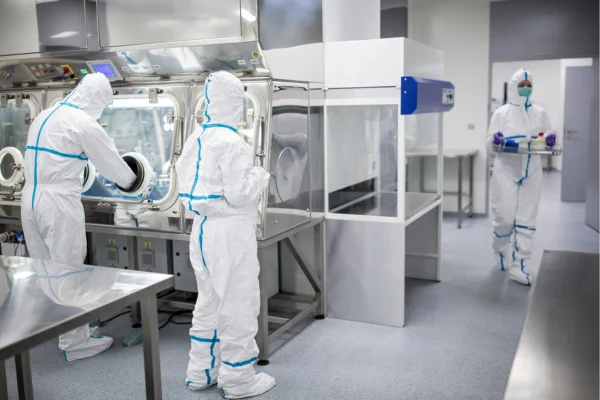
A strong partner should be able to support various stages of development, including gene design, strain construction, cell banking, process optimization, purification development, analytical testing, and GMP production.
Yaohai Bio-Pharma provides integrated recombinant protein production services based on microbial expression platforms. The company supports recombinant proteins and peptide therapeutics through a complete workflow covering strain engineering, process development, purification, analytical characterization, and GMP manufacturing. Its platforms include E. coli and yeast expression systems, with flexible fermentation scales to support different project requirements.
The company’s recombinant protein capabilities cover multiple product types, including therapeutic peptides, hormones, cytokines, growth factors, enzymes, recombinant vaccines, and other complex proteins. Through its CRDMO platform, Yaohai Bio-Pharma integrates research, development, and manufacturing services to support projects from early development through commercial production.
Conclusion: Building Reliable Protein Production Through Expertise and Integration
Successful protein production requires careful planning, technical innovation, and strong quality management throughout every stage. From selecting suitable expression systems to achieving consistent manufacturing performance, each step can influence the final product quality.
At Yaohai Bio-Pharma, we provide comprehensive protein production service solutions supported by our microbial expression expertise, integrated CMC development capabilities, and GMP manufacturing platform. We help customers address challenges in strain construction, process optimization, purification development, analytical testing, and scalable production. With experience across recombinant proteins, peptides, cytokines, enzymes, and vaccine-related products, we are committed to delivering reliable and efficient solutions that support projects from early research to clinical and commercial manufacturing stages.