Developing antibodies against challenging biological targets often requires overcoming limitations related to antigen accessibility, molecular size, stability, and engineering flexibility. Traditional antibody platforms may face difficulties when targeting hidden epitopes, intracellular molecules, or complex protein structures.
Camelid VHH antibody technology offers a unique approach by using single-domain antibodies derived from camelid heavy chain only antibodies. With their compact structure, strong binding capabilities, and favorable biophysical properties, camelid VHH molecules provide new possibilities for research, diagnostic development, and therapeutic applications.
What Is Camelid VHH Antibody Technology?
Camelid VHH refers to the variable domain of heavy chain only antibodies naturally found in camelids such as llamas, alpacas, and camels. Unlike conventional antibodies that contain both heavy and light chains, VHH antibodies consist of a single antigen binding domain with a molecular weight of approximately 15 kDa.
This simplified structure allows VHH molecules to maintain specific antigen recognition while offering several advantages in antibody engineering. Their small size enables access to epitopes that may be difficult for conventional antibodies to reach, including regions with limited accessibility caused by protein folding or steric barriers.
The unique characteristics of camelid VHH have made them valuable components in antibody discovery, molecular research, diagnostic reagents, and next-generation therapeutic formats.
Why Camelid VHH Can Access Difficult Targets
One of the most important advantages of camelid VHH technology is its ability to address challenging targets.
Many biological targets contain complex structures with concealed binding regions. Conventional antibodies may have limited access to these areas due to their larger size. In contrast, the compact VHH structure can penetrate deeper into molecular surfaces and recognize unique epitopes that may otherwise remain unavailable.
This capability is particularly useful when developing antibodies against:
Proteins with complex conformations
Low abundance biomarkers
Membrane-associated targets
Viral proteins
Enzymes with restricted active sites
Intracellular research targets
By expanding the range of accessible epitopes, camelid VHH technology provides more flexibility for antibody discovery projects.
Key Advantages of Camelid VHH Antibodies
Small Size and High Accessibility
The compact size of VHH antibodies supports improved tissue penetration and allows researchers to explore targets that may be challenging for larger antibody formats. This feature also makes VHH suitable for developing multispecific molecules and engineered antibody constructs.
Strong Stability and Solubility
Camelid VHH molecules are known for their high stability and solubility, which are important factors in antibody development and manufacturing. Compared with traditional antibody fragments, VHH molecules often demonstrate improved tolerance to environmental conditions, supporting broader applications in research and product development.
Flexible Engineering Possibilities
Because VHH antibodies are single-domain molecules, they can be easily modified and combined with other functional elements. Researchers can create formats such as bispecific antibodies, fusion proteins, imaging probes, or targeted delivery molecules according to specific application requirements.
Efficient Expression and Production
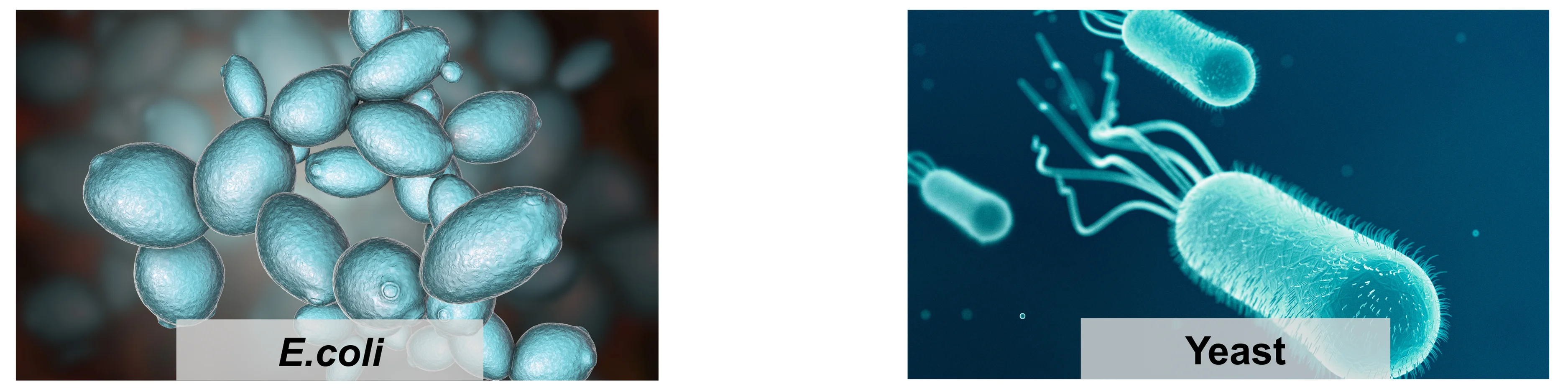
Camelid VHH antibodies can be produced through microbial expression systems such as Escherichia coli and yeast, providing scalable options for development and manufacturing.
Applications of Camelid VHH Technology
Camelid VHH antibodies are being explored across multiple fields due to their versatility.
In therapeutic development, VHH molecules can serve as building blocks for antibody-based medicines, including multi functional antibody formats designed for specific biological pathways.
In diagnostics, VHH antibodies can be used as highly specific recognition elements for detecting biomarkers, pathogens, and molecular targets.
In research applications, their small size and binding precision make them valuable tools for protein analysis, structural biology, and cellular studies.
As antibody engineering continues to advance, camelid VHH technology provides researchers with additional options for developing solutions against complex biological challenges.
Selecting a Reliable Camelid VHH Development Partner
Successful camelid VHH development requires expertise across multiple stages, including antibody discovery, sequence optimization, expression development, analytical evaluation, and manufacturing support.
A capable partner should have experience in maintaining antibody quality throughout the development process while providing flexible solutions based on project requirements. Key considerations include expression platform selection, process scalability, quality control capabilities, and regulatory support.
An integrated development approach can help reduce technical risks and accelerate the transition from early research concepts to commercial production.
Conclusion: Supporting Advanced Camelid VHH Development with Yaohai Bio-Pharma
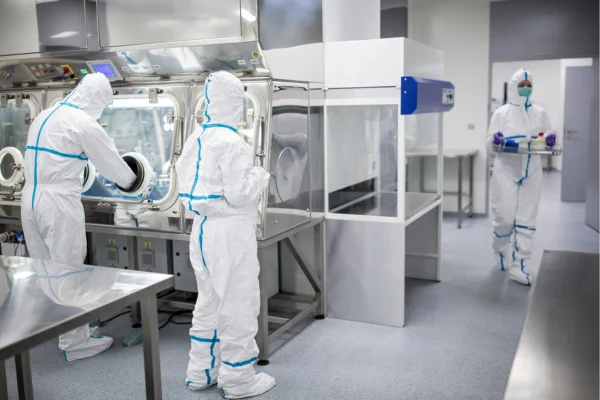
At Yaohai Bio-Pharma, we provide comprehensive nanobody development and manufacturing services based on camelid VHH antibody technology. Our platform integrates research and development capabilities with scalable microbial expression systems, including E. coli and yeast platforms, supporting projects from early development through commercialization.
We focus on delivering reliable solutions covering process development, analytical method development, quality control, and quality research to support different antibody development needs. With our expertise in nanobody technologies and integrated CRDMO capabilities, we help partners explore difficult targets and develop high-quality camelid VHH antibody products with efficient and consistent workflows.
Through advanced technology platforms and professional development experience, Yaohai Bio-Pharma continues to support innovation in antibody discovery and manufacturing, helping transform challenging molecular targets into practical development opportunities.