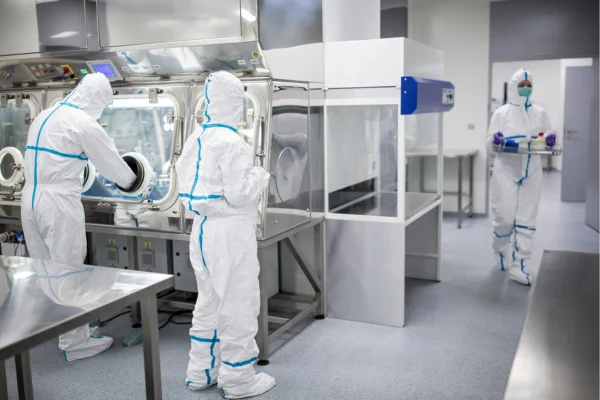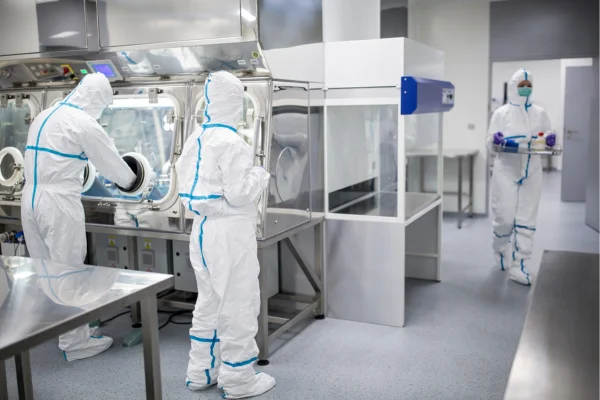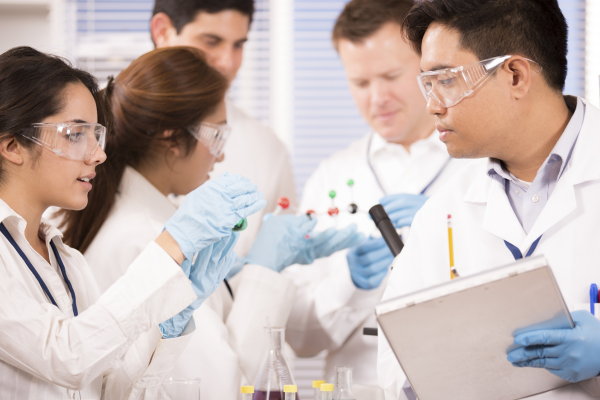
DNA vaccine production has become an important area of innovation in modern vaccine development. By using plasmid DNA as a delivery platform, DNA vaccines provide genetic instructions that enable cells to produce specific antigens and stimulate an immune response. Compared with some traditional vaccine approaches, DNA vaccine platforms offer advantages such as design flexibility, manufacturing adaptability, and potential applications across different disease areas.
As global healthcare needs continue to evolve, researchers and developers are exploring new ways to improve vaccine accessibility, scalability, and production efficiency. From plasmid design to large-scale manufacturing, every stage of DNA vaccine production requires advanced technologies, strict quality control, and reliable process development. Yaohai Bio-Pharma supports vaccine development projects through integrated microbial CRDMO solutions, including DNA vaccine services covering research, development, manufacturing, and regulatory support.
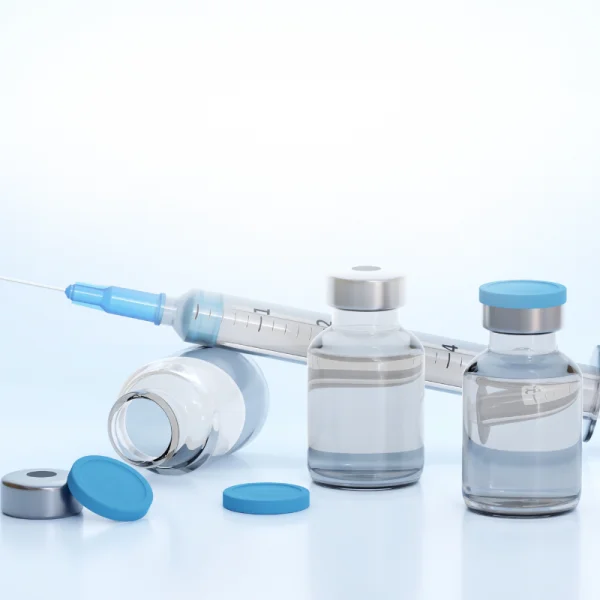
Understanding the Process of DNA Vaccine Production
The foundation of DNA vaccine production is plasmid DNA, a circular DNA molecule that carries the genetic sequence encoding a target antigen. During vaccine development, scientists first identify the antigen target and design a suitable plasmid construct. This involves optimizing genetic elements to support efficient antigen expression and stable production.
After plasmid design, the production process typically includes microbial fermentation, plasmid extraction, purification, quality testing, and formulation. Microbial systems, commonly based on bacterial hosts, are used to produce sufficient quantities of plasmid DNA. The harvested material then undergoes purification steps to remove impurities and achieve the required quality profile.
A critical factor in DNA vaccine production is maintaining plasmid integrity. High purity and appropriate structural characteristics, such as the desired supercoiled form, are important considerations for vaccine performance and regulatory requirements. Yaohai Bio-Pharma provides plasmid DNA manufacturing services with processes covering plasmid construction, cell banking, fermentation, purification, analytical testing, and GMP production.
Why Plasmid DNA Quality Matters in Vaccine Manufacturing
For DNA vaccine developers, plasmid DNA quality directly influences the reliability of downstream applications. A consistent manufacturing process helps ensure that each batch meets established quality standards.
Several quality attributes are closely monitored during production. These include plasmid identity, purity, concentration, endotoxin levels, residual host cell components, and the proportion of supercoiled plasmid DNA. Advanced analytical methods are required to evaluate these characteristics and support product development.
Process scalability is another important consideration. A production method suitable for early research may require significant optimization before clinical or commercial manufacturing. Developing robust upstream fermentation processes and efficient downstream purification strategies can help reduce production risks and improve manufacturing consistency.
Challenges in Scaling DNA Vaccine Production
Although DNA vaccine platforms offer promising opportunities, scaling production from laboratory research to larger manufacturing levels requires careful planning.
One challenge is achieving high plasmid yields while maintaining product quality. Increasing fermentation volume must be balanced with process control to ensure stable production and consistent plasmid characteristics.
Another challenge is purification efficiency. Plasmid DNA production involves removing impurities such as host cell DNA, host cell proteins, RNA, and endotoxins. Effective purification processes are necessary to meet safety and quality expectations for vaccine applications.
Regulatory preparation is also an important part of DNA vaccine development. Developers need comprehensive documentation related to manufacturing processes, analytical methods, stability studies, and quality systems. Partnering with experienced development organizations can help address these technical and regulatory requirements more efficiently.
The Expanding Applications of DNA Vaccine Technology
DNA vaccines are being explored for a variety of applications, including preventive vaccines, therapeutic vaccines, and emerging infectious disease solutions.
For infectious diseases, DNA vaccine platforms offer flexibility because plasmid sequences can be modified to target different antigens. This adaptability allows researchers to respond to changing medical needs and investigate new vaccine candidates.
Beyond infectious disease prevention, DNA technology is also being studied in therapeutic areas such as cancer vaccines and immune based treatments. These applications demonstrate the broader potential of DNA vaccine production as researchers continue improving delivery strategies and manufacturing processes.
Advancing DNA Vaccine Production Through Integrated Solutions
The future development of DNA vaccines depends not only on scientific innovation but also on reliable manufacturing capabilities. A complete development pathway requires coordination between molecular design, process optimization, analytical testing, GMP production, and regulatory support.
Yaohai Bio-Pharma offers end-to-end vaccine CRDMO services based on microbial expression systems. Its vaccine platform supports DNA vaccines, mRNA vaccines, VLP vaccines, and other vaccine modalities, providing services from early research stages to commercial manufacturing preparation.
For plasmid DNA production specifically, Yaohai Bio-Pharma provides integrated solutions covering plasmid construction, microbial cell banking, upstream and downstream process development, GMP manufacturing, quality testing, and regulatory filing support. The company’s plasmid platform supports different project stages, from preclinical studies to clinical and commercial production requirements.
By combining process expertise with manufacturing capabilities, integrated platforms can help vaccine developers improve development efficiency while maintaining product quality throughout the lifecycle.
Future Trends in DNA Vaccine Production
The future of DNA vaccine production will likely focus on improving manufacturing efficiency, optimizing plasmid design, and expanding clinical applications.
Advances in fermentation technology, purification methods, and analytical tools are expected to support more efficient plasmid production. At the same time, improvements in vaccine delivery technologies may help enhance immune responses and broaden the potential applications of DNA vaccines.
Another important trend is the increasing need for flexible manufacturing platforms. As vaccine research expands into new therapeutic areas, developers require production systems that can adapt to different project requirements while meeting strict quality standards.
With continued progress in biotechnology, DNA vaccine production is expected to remain an important component of next-generation vaccine development.
Conclusion
From plasmid DNA design to large-scale manufacturing, DNA vaccine production involves multiple complex processes that require precision, expertise, and strong quality management. As demand grows for flexible and scalable vaccine technologies, improving production platforms will remain essential for advancing new vaccine candidates.
Yaohai Bio-Pharma provides comprehensive DNA vaccine and plasmid DNA development solutions, supporting projects through process development, GMP manufacturing, analytical testing, and regulatory preparation. Through integrated capabilities and continuous process improvement, DNA vaccine production can continue moving from laboratory innovation toward broader healthcare applications.