
Developing antibody-based therapies requires careful planning from discovery to manufacturing. Researchers need to consider expression systems, molecular characteristics, process development, and future clinical requirements. A suitable production strategy can help projects move through different stages with better process control.
VHH antibodies have gained attention because of their compact structure and application potential in research and therapeutic programs. However, their development still requires suitable platforms and manufacturing experience to support stable expression and quality evaluation.
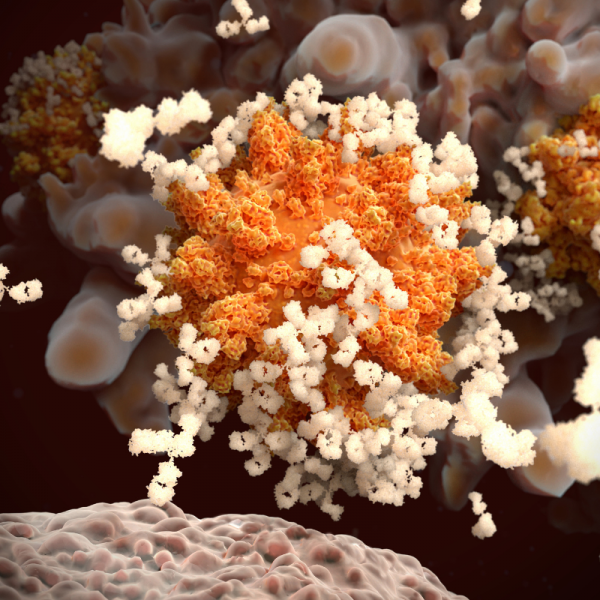
Exploring Key Factors in VHH Antibody Development
VHH antibodies are single-domain antibody fragments derived from camelid antibodies. Compared with conventional antibody structures, VHH domains have smaller molecular sizes and unique binding characteristics. These features make them useful for research applications and the development of new therapeutic approaches. Their compact structure also provides flexibility for different engineering strategies, allowing researchers to explore various antibody formats and application scenarios.
During early discovery, researchers often evaluate binding activity, expression performance, and molecular stability. These factors influence later process design. A clear understanding of antibody characteristics helps teams select suitable expression hosts and development pathways. It also provides a foundation for improving production efficiency and preparing future scale-up requirements.
For companies working on biologics programs, VHH antibody production involves more than expressing a target protein. It includes strain selection, process optimization, purification strategy, analytical testing, and manufacturing planning. Each step needs to match project goals and regulatory expectations. Careful process planning can help reduce development challenges when programs move from laboratory studies toward clinical manufacturing stages.
Selecting Suitable Microbial Expression Platforms
Microbial expression systems are widely used for producing recombinant proteins because they provide flexible development options. E. coli and yeast platforms can support different molecule characteristics, depending on folding requirements, expression levels, and process conditions.
For VHH antibody projects, expression quality is an important consideration. The production system needs to support proper protein folding and maintain product characteristics during development. Process parameters such as fermentation conditions and purification methods also influence final outcomes.
Yaohai Bio-Pharma provides microbial CRDMO services based on E. coli and yeast expression platforms. The company supports Single Domain Antibodies development and manufacturing, including process development, scale-up, and GMP production. Its services cover different project stages from early research to clinical sample preparation.
A suitable platform can reduce unnecessary adjustments during development. By evaluating expression performance at an early stage, project teams can create a clearer path toward process transfer and later manufacturing activities.
Building a Complete Development Path from Research to Manufacturing
A VHH antibody program usually involves several connected steps. These include gene construction, strain development, small-scale process studies, purification evaluation, analytical method development, and production preparation. Coordination between these steps helps maintain project consistency.
For therapeutic programs, manufacturing plans need to consider regulatory requirements from the beginning. GMP facilities, quality systems, and documentation practices become important when projects move toward clinical applications.
Yaohai Bio-Pharma supports VHH single domain antibody programs with integrated CRDMO services. The company provides flexible GMP scale-up capabilities from 50 L to 2000 L. Its services include upstream fermentation development, downstream purification, quality research, and manufacturing support for different project stages.
The Nano-body platform is designed for nano antibody therapeutics and related development needs. By combining microbial expression technologies with process development experience, the platform supports projects that require customized solutions for different VHH molecule characteristics.
Improving Project Efficiency Through Process Development
Process development plays an important role in connecting laboratory research with manufacturing. A well-designed process can help teams evaluate critical parameters, identify possible challenges, and prepare for future scale-up.
Design of Experiments (DoE) approaches can be applied during process studies to understand how different conditions affect product performance. This method allows researchers to review multiple factors systematically instead of relying only on repeated testing.
For VHH antibody production projects, process development may include fermentation adjustment, purification improvement, and analytical method establishment. These activities support better understanding of product behavior and provide useful information for regulatory preparation.
From discovery programs to clinical manufacturing, each stage requires communication between research teams and manufacturing partners. A CRDMO model can provide technical support across different phases while helping companies manage development resources.
Supporting Future Applications of VHH Antibody Programs
As biologics research continues to expand, VHH antibodies are being explored in various fields, including targeted therapies, diagnostics, and research tools. Their structural characteristics create opportunities for different applications, while manufacturing strategies continue to develop alongside scientific progress.
Companies planning antibody programs need to evaluate technical capability, production scale, quality systems, and project management support. These factors influence how smoothly a molecule can move from laboratory studies toward clinical and commercial preparation.
A complete VHH development solution connects scientific research with practical manufacturing needs. With microbial expression platforms, process development expertise, and GMP production support, project teams can build a structured pathway for their antibody programs.
By combining research support with scalable manufacturing capabilities, we help partners manage different stages of VHH antibody development. Our focus is to provide reliable technical services that match the needs of research and therapeutic programs.