The development of antibody-based therapeutics has expanded beyond traditional full-length antibodies, with antibody fragments gaining attention for their smaller molecular size, specialized binding properties, and potential applications across different biological fields. However, producing high-quality antibody fragments requires more than successful expression. Purification processes must be carefully designed to achieve the right balance between purity, recovery, stability, and scalability.
For biotechnology companies, purification is a critical stage that can determine whether a promising molecule can progress efficiently toward further development. A suitable platform approach helps reduce process uncertainty by providing a structured framework that can be adapted according to different molecular characteristics and manufacturing requirements.
Purification Challenges Created by the Unique Nature of Antibody Fragments
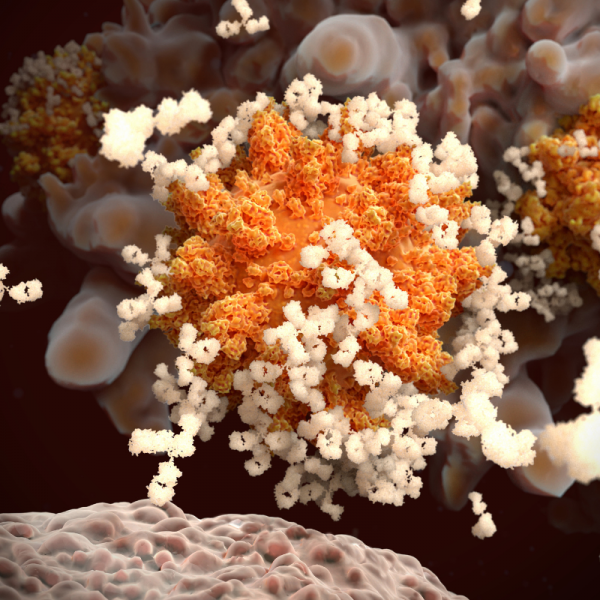
Antibody fragments differ from conventional antibodies in structure, size, and physicochemical properties. These differences can directly influence purification performance and create challenges during downstream processing.
Because of their smaller molecular formats, antibody fragments may show different behaviors during filtration, chromatography, and impurity removal. Factors such as aggregation tendency, molecular stability, and expression-related impurities must be carefully evaluated when designing purification workflows.
A successful antibody fragment purification strategy requires an understanding of the relationship between molecular characteristics and process conditions. Instead of using a fixed purification method for every molecule, developers need flexible approaches that can be adjusted according to specific product requirements.
Designing a Repeatable Workflow for Different Fragment Formats
A platform-based purification strategy provides a foundation for developing consistent processes across different antibody fragment programs. Rather than starting from the beginning for each project, developers can use established process knowledge while optimizing key parameters for individual molecules.
Important considerations include capture methods, purification sequences, impurity clearance, and recovery efficiency. Each step contributes to the overall performance of the process and influences the quality of the final product.
A well-designed platform can shorten development timelines by providing a more predictable starting point. At the same time, it maintains flexibility because purification conditions can be adjusted according to the unique properties of different antibody fragment formats.
How Upstream Expression Influences Downstream Purification
Purification performance is closely connected with upstream production. The expression system, host characteristics, and cultivation conditions can affect impurity profiles, protein stability, and downstream recovery.
We utilize microbial expression platforms, including E. coli and yeast systems, to support recombinant biological development. By considering upstream and downstream processes together, we can better evaluate how production conditions influence purification requirements.
For example, optimizing expression conditions may help improve product quality before purification begins. This integrated consideration reduces potential challenges later in development and supports the creation of more efficient manufacturing workflows.
Analytical Control Across the Antibody Fragment Purification Process
Reliable purification requires comprehensive analytical evaluation to monitor product quality throughout development. Analytical methods provide important information about purity, structural integrity, and potential impurities.
Techniques such as SDS-PAGE, SEC-HPLC, RP-HPLC, and CE-SDS can be used to evaluate important product characteristics. These analytical approaches help identify process performance issues and guide further optimization.
Quality evaluation is especially important when moving from early research to more advanced development stages. A purification process must demonstrate consistent performance and provide reliable data to support future manufacturing decisions.
Scaling Purification Processes from Research to Manufacturing
A purification method developed at laboratory scale may require further optimization before it can support larger production requirements. Differences in equipment, process conditions, and material quantities can influence purification performance during scale-up.
Scalable purification design considers future manufacturing needs from the beginning. Parameters such as process robustness, recovery efficiency, and operational consistency should be evaluated before transitioning to larger production environments.
We provide purification development services that consider scalability alongside product quality. By establishing suitable process strategies early, we help biotechnology companies reduce challenges during technology transfer and prepare for future manufacturing requirements.
Antibody Fragment Purification from Process Design to Manufacturing Scale
Successful antibody fragment development depends on a combination of scientific understanding, process expertise, and manufacturing capability. A reliable purification platform provides the foundation needed to maintain product quality while improving development efficiency.
We combine microbial expression expertise, purification technologies, analytical capabilities, and GMP-compliant manufacturing systems to support biotechnology companies working on advanced biological products. Our experience with nanobody and recombinant protein development enables us to provide flexible solutions for different project requirements.
Leveraging integrated CDMO capabilities and expertise in biological process development, we deliver customized antibody fragment purification solutions through Yaohai Bio-Pharma, supporting global partners in developing reliable processes from early-stage research to scalable manufacturing.